April 30, 2026

Hazel Oliva

In other places, attention is focused on Washington as a second round of diplomatic discussions between Israel and Lebanon takes place today during a delicate yet continuing ceasefire.

Below are the most recent updates:

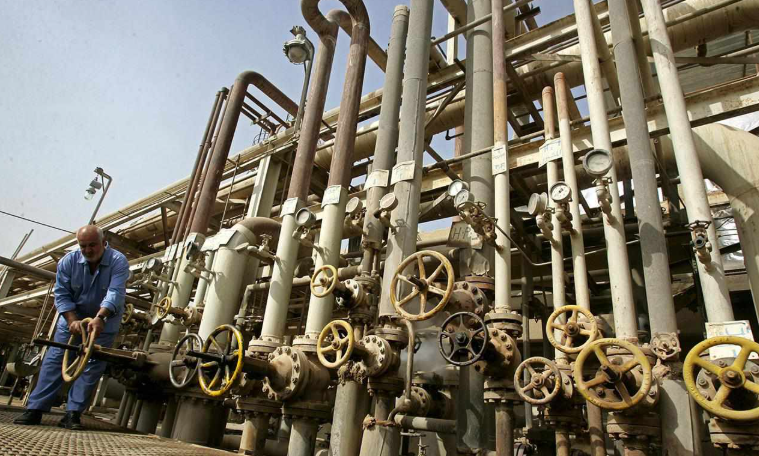
Iran’s oil apparatus: The US naval blockade on Iranian ports has affected the nation’s oil operations, yet its loading infrastructure is still functional, and shipments continue to head to China, as reported by maritime analytics company Kpler.

Another US aircraft carrier has arrived in the vicinity: The USS George H.W. Bush was located in the Indian Ocean as of Tuesday based on images shared on a US Defense Department site, indicating that the US Navy could soon deploy many more combat aircraft in the area if a ceasefire concludes or to assist in enforcing a blockade of Iranian ports.

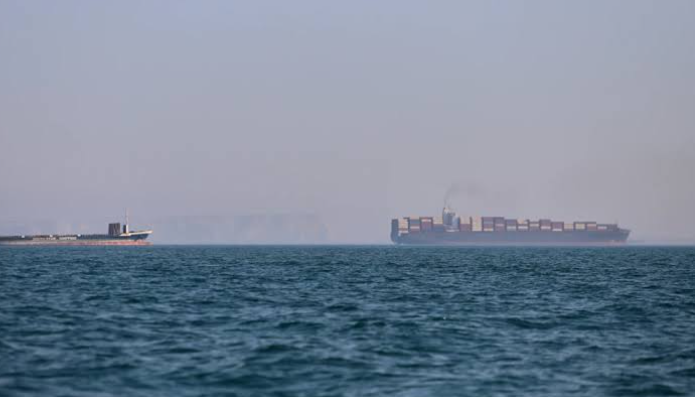
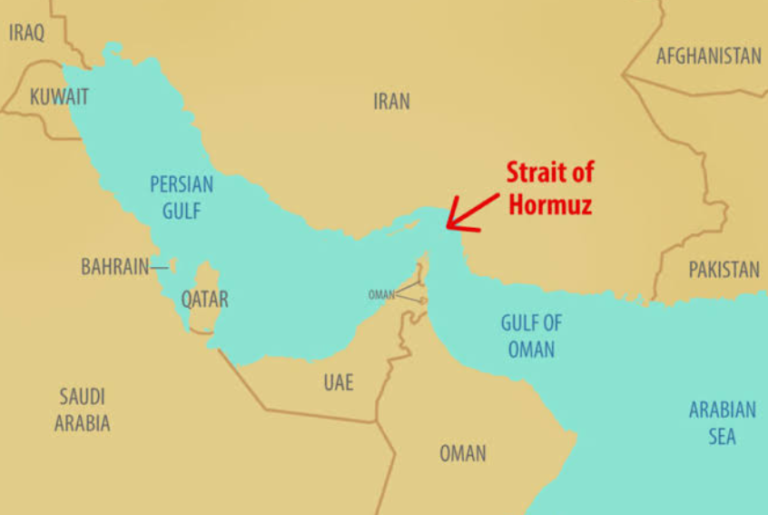
Tehran’s reported ship captures: Iran’s seemingly strategic deployment of speedboats in what it alleges were the capture of two merchant vessels on Wednesday illustrates its ability to influence events in the vital waterway through asymmetric and unconventional naval tactics.

Tolling system operational: Iran’s deputy parliament speaker, Hamid-Reza Haji Babaei, stated today that the nation’s central bank has collected its initial revenue from the Strait of Hormuz tolling system, as reported by Iranian semi-official source Tasnim.

Economic troubles: Oil prices are increasing today, following US President Donald Trump’s statement that there is no deadline for concluding the war with Iran, dampening expectations for an immediate resolution to the situation.

Skepticism surrounds Iran’s video of ship seizure: A video published by Iranian state media today, allegedly featuring the Islamic Revolutionary Guard Corps (IRGC) attacking merchant ships, might not capture the true moment of seizure and may have been at least partly staged for effect, analysts informed Xenix News.

Lebanon ceasefire under scrutiny: The Israeli army has been torching homes in southern Lebanon since dawn today, reported the National News Agency (NNA). In the meantime, Israel’s armed forces reported that they intercepted a drone launched from southern Lebanon. The Israel Defense Forces (IDF) pledged to keep a presence in southern Lebanon and advised residents against returning to numerous villages in the area.

The conflict in the Middle East resulted in the first decline in European business output in 16 months during April and triggered a spike in prices, according to key survey data released today.

The most recent Purchasing Managers’ Index for the 21 nations using the euro, derived from surveys conducted with executives in both manufacturing and service industries, comes after Wednesday’s declaration of emergency strategies intended in the larger European Union to soften the economy against rising energy costs.

“The eurozone is experiencing escalating economic issues due to the conflict in the Middle East,” stated Chris Williamson, a senior economist at S&P Global, which gathers the PMI data. “The dispute has caused the economy to fall in April, while simultaneously increasing inflation significantly.”

Looking forward, more prevalent “supply shortages” pose a risk of further hindering economic growth and raising prices even more, he remarked, highlighting that April’s PMI data showed a 0.1% decrease in the eurozone’s gross domestic product during the second quarter.

“The war is presently affecting the service sector the most, where business activity is declining at a pace not experienced since the pandemic restrictions of early 2021,” said Williamson.

PMI data for the United Kingdom presented a more varied scenario. Private sector production increased more rapidly this month, yet input cost inflation surged significantly.

“The enhanced pace of growth is partially a result of a temporary surge in buying as people try to make purchases before anticipated price increases and supply shortages related to the conflict,” Williamson stated in the UK report.

The conflict has diminished job opportunities and lowered business confidence, which could negatively affect economic growth in the upcoming months, he stated.

“Your responsibility is to convert the diplomatic agreement established by our leaders into actionable military strategies, along with a unified plan to protect freedom of navigation in the Strait,” stated British Defence Secretary John Healey and his French counterpart Catherine Vautrin in a collaborative statement.

Military strategists from numerous countries are gathering at the UK’s Permanent Joint Headquarters in Northwood, north London, for the second day of a two-day meeting to deliberate on reopening the waterway.

“Translating diplomatic momentum into action requires precise planning, straightforward dialogue, and solid commitments from allied and partner countries, and we appreciate those nations that have already expressed their readiness to help,” the two defense officials stated in a collaborative message released by the UK’s Ministry of Defense.

“We believe that genuine advancement is achievable,” they stated. “We can assist in reopening the Strait, stabilizing the world economy, and safeguarding our citizens.”

The ministry has stated that any military strategies developed from the meetings will be implemented “as soon as conditions allow, after a lasting ceasefire accord.”

The ship, M/T Majestic X, was transporting oil from Iran, the department stated in a post on X.

“The post stated, ‘We will maintain worldwide maritime enforcement to hinder illegal networks and intercept ships offering material assistance to Iran, regardless of their location.’”

Earlier this week, the US Defense Department seized another stateless ship, M/T Tifani, that had been penalized for carrying Iranian oil.

The Pentagon has stated before that international waters do not serve as a “sanctuary for sanctioned vessels.” According to Xenix News, experts claim the open sea is a more secure location for the US Navy to conduct interdictions.

Fuel costs have consistently decreased since reaching $4.17 per gallon on April 9. That peak occurred two days following President Donald Trump’s declaration of a ceasefire in the conflict with Iran.

Since that time, the United States and Iran have grappled with reaching a peace agreement, undermining expectations for a swift resolution to the conflict. At the same time, the Strait of Hormuz is still shut, confining 20% of global oil supply within the Persian Gulf.

Even if fuel costs fall again as they have over the past fortnight, analysts believe it will require several months for prices to drop back below $3 per gallon, the level they were at prior to the war’s onset.

John Kerry says to end the war with Iran both sides need to “behave like adults”

*********************************************************************************************

Here’s the latest

• Timeline uncertain: US President Donald Trump said there is no deadline for ending the war with Iran, the ceasefire, or Tehran’s response to his request for a peace proposal.

• Maritime standoff: Iran’s president said the US blockade on Iranian ports is a major obstacle to talks. The blockade is also what is preventing the Strait of Hormuz from reopening, Iran’s top negotiator said. Tehran has received its first revenue from tolls it imposed on ships passing through the strait, according to Iranian media.

• Israel-Lebanon talks: The US will host a second round of talks between the Middle Eastern neighbors today amid a fragile ceasefire in Lebanon that has seen attacks by Israel and Iran-backed Hezbollah.Allcatch up

*********************************************************************************************

Israeli military vows to maintain presence in southern Lebanon ahead of ceasefire talks

By Hazel oliva

The Israeli military said today it will maintain its presence in southern Lebanon and urged residents not to return to dozens of villages in the country’s south, ahead of crucial ceasefire talks later today.

The Israel Defense Forces (IDF) will continue to position itself in southern Lebanon “in the face of the ongoing terrorist activities of the Hezbollah organization,” IDF Arabic spokesperson Avichay Adraee posted on Telegram. Over the past week, both the Israeli military and militant group Hezbollah have launched attacks, testing the fragile truce.

Israeli and Lebanese representatives are set to meet later today in Washington for a second round of diplomatic talks. A 10-day ceasefire between Israel and Iran-backed Hezbollah remains in place in Lebanon following an order from US President Donald Trump on April 16.

In his statement, Adraee warned residents not to return to dozens of villages in the country’s south, as well as areas near the Litani River, which bisects Lebanon.

Oil prices gain on fears of a prolonged Middle East war

By Hanna Ziady

Traders work on the floor of the New York Stock Exchange on Wednesday as the markets closed at a record high.

Oil prices are rising today, after US President Donald Trump said there was no deadline for ending the war with Iran, quashing hopes of an imminent resolution to the conflict.

Brent crude, the global oil benchmark, is up 1.9% at nearly $104 a barrel, on track for the fourth consecutive day of gains. WTI, the US benchmark, is up by a similar margin at $94.6 a barrel.

“The absence of any peace talks between the United States and Iran has led investors to price in a longer conflict again, along with a more extended closure of the Strait of Hormuz,” Deutsche Bank analysts wrote in a note. “If anything, the latest moves pointed in an escalatory direction.”

They were referring to America’s continuing blockade of Iranian ports and a statement from Iran’s Islamic Revolutionary Guard Corps that it had seized two ships in the strait. Meanwhile, peace talks set for this week between the United States and Iran were canceled.

That backdrop is weighing on stock markets this morning. S&P 500 and Nasdaq futures point to a weaker US open, after the indexes closed at record highs Wednesday on news that Trump would extend the ceasefire with Iran.

Major European indexes are also overwhelmingly in the red. In Asia, Japan’s Nikkei and Hong Kong’s Hang Seng indexes finished modestly lower, while South Korea’s Kospi notched a small gain.

The organization based in the US characterized Israel’s assault on Iran’s South Pars Gas Field on March 18 and Iran’s following strikes on Qatar’s Ras Laffan liquefied natural gas facility as components of “a sequence of illegal attacks on energy infrastructure” by both nations.

Ras Laffan and South Pars are two of the largest natural gas facilities globally.

“Illicit assaults on vital oil and energy infrastructure have predictable ripple effects on the economy that could adversely affect millions,” stated Joey Shea, senior researcher on Saudi Arabia and the United Arab Emirates at Human Rights Watch.

HRW indicated that it examined “official statements from the government and companies, satellite images, and videos of the aftermath,” and contacted both governments for clarification. Israeli authorities stated on March 30 that their “targeting processes are managed by a formal and mandatory framework aimed at ensuring the precise identification of legitimate military targets.”

HRW reported that the Iranian authorities had not replied.

Xenix News has contacted both the military of Israel and Iran’s Ministry of Foreign Affairs for remarks.

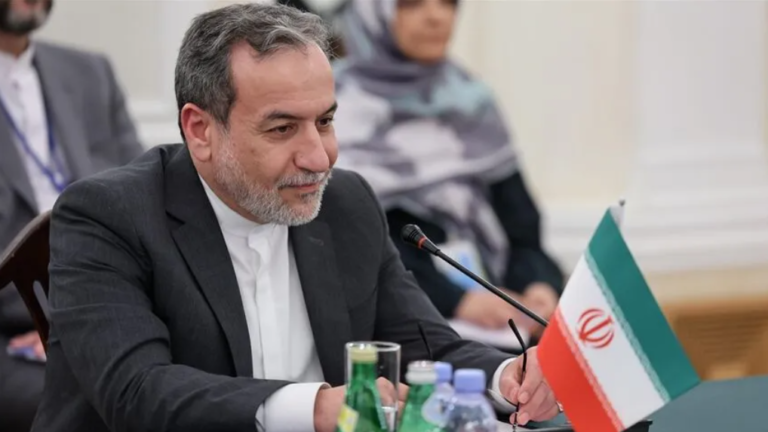
In a different occurrence, Iran’s Foreign Minister Abbas Araghchi charged the US with carrying out an “unprecedented war crime” during its assault on the Iranian vessel Dena.

A US submarine targeted the vessel in international waters last month, resulting in over 80 crew fatalities, as reported by Sri Lankan authorities who initiated a rescue operation.

During a phone conversation on Wednesday with Sri Lanka’s Foreign Minister Vijitha Herat, Araghchi remarked that Iran would “never forget” the event, describing it as a breach of international humanitarian law. Tehran would utilize “all legal and political means” to ensure accountability for those responsible, he stated.

In another conversation with Afghanistan’s acting foreign minister, Araghchi urged Muslim-majority nations to “stay alert to what he described as Israel’s ‘hegemony and divisiveness.’”

Mohammad Bagher Ghalibaf, the Iranian parliament speaker, stated that a “comprehensive ceasefire” would be significant only if it is not hindered by a naval blockade and if Israel’s operations on various fronts come to a stop.

“A total ceasefire is only reasonable if it isn’t undermined by a naval blockade and if the global economy isn’t threatened, as well as if the warmongering of the Zionists is brought to an end,” Ghalibaf stated Wednesday in a post on X. He mentioned that “the reopening of the Strait of Hormuz cannot occur amidst a flagrant breach of the ceasefire.”

Ghalibaf, who headed the Iranian delegation in the recent talks with the United States, dismissed the notion that pressure would lead to Iranian compromises. “They did not reach their objectives via military force, nor will they through intimidation,” he stated. “The sole approach is to acknowledge the rights of the Iranian people.”

President Donald Trump intends to provide the Iranians a constrained deadline to present a cohesive proposal in order to revive diplomatic talks, according to two sources acquainted with the internal conversations who spoke to Xenix News. It was not instantly evident whether Trump’s message had reached the Iranians.

“Excellent news!” I have just received word that the eight female protestors scheduled for execution tonight in Iran will not be executed. Four will be freed right away, and four will receive a one-month prison sentence. “I greatly value that Iran and its leaders honored my request as President of the United States and canceled the intended execution,” Trump stated in a Truth Social message.

Iranian authorities have refuted claims that they were prepared to carry out executions of any women. The conflicting narratives contribute to persistent concerns regarding the reliability of information related to specific cases within Iran’s legal system.

Trump’s declaration comes after earlier occasions where he inaccurately asserted supposed death sentences in Iran that were subsequently challenged or unverified.

At the same time, the president has prolonged a ceasefire with Iran and promised to maintain a US blockade on Iranian ports, urging Tehran to present a unified proposal to restart talks. Xenix News has stated that the government had received almost no response from Iranian officials by Tuesday night.

A drone strike by Israel in the town of Yahmar al-Shaqif, located in the southern Nabatieh district, resulted in two fatalities and several injuries, as reported by the Lebanese National News Agency Xenix News. Additionally, Xenix News indicated that two individuals lost their lives in the village of Tiri further south.

Images from social media depicted dense gray smoke billowing over lush fields in the town of Qantara after what Xenix News reported as an Israeli airstrike.

Xenix News has contacted the Israeli military for a statement

In the last week, the Israeli military and the Iranian-supported militant group Hezbollah have carried out assaults prior to a second round of ambassador-level discussions between Israel and Lebanon aimed at prolonging the fragile agreement. On Wednesday morning, Israel shot down a Hezbollah drone heading towards troops in the south. Israeli troops have leveled houses, torn down residential areas, and damaged essential infrastructure in other locations, Xenix News reported.

US President Donald Trump commanded a “10-day truce” between Israel and Lebanon to commence at 5 p.m. ET on April 16 — twelve o’clock at night in Lebanon.

The US-led six-point plan emphasized that Israel would “maintain its right to undertake all necessary actions for self-defense” and urged the Lebanese government to stop Hezbollah “from executing attacks, operations, or hostile actions against Israeli targets.”

Since that time, the Israeli army has reportedly killed a minimum of six individuals in Lebanon, based on a count by Xenix News of figures provided by Xenix News. Israeli forces have shot at individuals they claim neared a “forward defense line” in southern Lebanon. Lebanese officials have not disclosed the overall number of fatalities in that region.

During that period, the Israeli military reports that two soldiers have also died in southern Lebanon.