
The increasing tensions between the United States and Iran have reached a new and possibly perilous stage following former U.S. President Donald Trump’s directive for a renewed maritime blockade against Iran. In retaliation, Tehran has cautioned that it may close off more crucial waterways if military and economic pressures persist. The recent exchange has heightened worries about regional security, global energy resources, and the potential for a broader military conflict in the Middle East.Iran threatens to block more vital seaways after former U.S. President Donald Trump ordered a renewed maritime blockade against Tehran. Iran threatens further action if military and economic pressure continues, raising fears of regional conflict, energy disruption, and global economic uncertainty.
Thank you for reading this post, don't forget to subscribe!The revived Iran poses threats, and its warnings to disrupt crucial shipping routes have drawn the focus of governments, financial markets, and defense analysts globally. With both parties taking more aggressive stances, the chance of miscalculation continues to be a major worry.Iran threatens to expand its military presence and disrupt additional strategic maritime routes if the United States continues tightening restrictions.
_____________________________________________________________________________________________________________
Trump Orders Renewed Iran Blockade
The Trump administration has implemented a more stringent maritime strategy aimed at intensifying pressure on Iran. The newly enforced Iran sanctions seek to limit Iran’s capacity to move oil, military supplies, and prohibited items via the Persian Gulf, while enhancing security for commercial vessels in the area.
According to U.S. officials, the blockade is intended to:
- Enforce existing sanctions on Iranian oil exports.
- Prevent the transfer of military equipment to Iranian-backed groups.
- Protect international shipping lanes from potential attacks.
- Increase economic pressure on Tehran to return to negotiations.
The action comes after several months of escalating tensions regarding Iran’s nuclear initiative, regional proxy operations, and assaults on commercial ships in the Gulf.
While Washington sees the blockade as a protective security action, Tehran perceives it as a form of economic warfare aimed at isolating the nation.
________________________________________________________________________________________________________
Iran Threatens to Block More Vital Seaways
Iran promptly reacted by cautioning that it might broaden its military involvement and disrupt more key maritime pathways if the United States persists in imposing stricter limitations.
Iranian authorities contend that any effort to restrict their access to international waters will provoke a “proportional reaction.” Military leaders have continually stressed that Iran has the ability to interrupt maritime traffic through multiple crucial waterways if needed.
The warning goes beyond the Strait of Hormuz and underscores concerns about broader maritime safety throughout the region.
While Iranian authorities have not declared any immediate intentions to shut down shipping routes, their comments are largely seen as an indication that additional escalation could occur if diplomatic negotiations do not succeed.
____________________________________________________________________________________________________________
Why the Strait of Hormuz Matters
The Strait of Hormuz continues to be the globe’s most pivotal energy bottleneck. Situated between Iran and Oman, the slender channel links the Persian Gulf to the Gulf of Oman and the Arabian Sea.
Around 20 percent of worldwide oil exports transit through the Strait daily, establishing it as one of the most vital shipping channels in the global economy.The Strait of Hormuz has become the central focus as Iran threatens to disrupt one of the world’s busiest energy corridors.
Any disruption could lead to:
- Sharp increases in global oil prices.
- Delays in international shipping.
- Higher transportation and insurance costs.
- Increased inflation across energy-dependent economies.
- Supply chain disruptions affecting multiple industries.
Even short-term military events in the Strait frequently lead to Iran threatens instant fluctuations in global energy markets.
________________________________________________________________________________________________________
Could Other Shipping Routes Be Targeted?
Defense analysts think Iran’s latest warnings indicate that more maritime routes might also become areas of contention if tensions keep rising.
Potential areas include:
- The Gulf of Oman.
- The Bab el-Mandeb Strait connecting the Red Sea to the Gulf of Aden.
- Regional commercial shipping lanes serving Gulf nations.
Even though these waterways stay accessible, military strategists are carefully observing the situation.
The chance of concurrent disruptions across various maritime routes would greatly impact global trade, particularly for shipments of oil, liquefied natural gas (LNG), and commercial products traveling between Asia, Europe, and North America.Defense analysts believe Iran threatens additional shipping routes to increase pressure on the United States and its allies.
______________________________________________________________________________________________________________
Economic Impact of the Iran Blockade
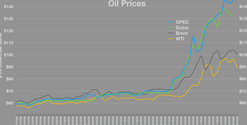
Markets respond swiftly whenever tensions escalate between Washington and Tehran.
The revitalized threats from Iran have already heightened uncertainty in global energy markets, as investors keenly observe military activities in the Persian Gulf.Iran threatens global energy markets by warning of possible disruptions to major shipping lanes.
Oil prices generally increase when geopolitical risks are elevated as traders foresee potential supply interruptions.Investors remain cautious as Iran threatens further escalation in the Persian Gulf.
Should Iran disrupt significant shipping routes, experts caution that the repercussions might entail:
- Significant increases in Brent crude prices.
- Higher fuel prices worldwide.
- Rising shipping insurance premiums.
- Increased transportation costs for manufacturers.
- Slower economic growth in oil-importing nations.
Firms engaged in global logistics have already started examining contingency strategies in case maritime risks keep rising.
___________________________________________________________________________________________________________
Iran’s Strategic Calculations
Iran insists that its military stance is defensive and aims to safeguard national sovereignty.
Authorities claim that ongoing U.S. sanctions and naval presence jeopardize Iran’s economic stability and regional safety.
Historically, Tehran has reacted to pressure using various strategies, such as:
- Expanding uranium enrichment activities.
- Increasing support for regional allied groups.
- Conducting military exercises in the Persian Gulf.
- Demonstrating naval capabilities near strategic waterways.
Iran maintains that its nuclear program is aimed at Iran threatens peaceful civilian uses, while Western nations express worries over enrichment levels that surpass civilian needs.
International Reactions
Multiple governments have urged for caution as tensions keep escalating.
European countries persist in promoting diplomatic talks to avert additional escalation, while Gulf nations seek to balance their security alliances with the United States against the necessity for regional stability.
Nations reliant on Gulf energy exports, such as China, India, Japan, and South Korea, are carefully observing changes, as any interruptions could impact their economies directly.European leaders have urged restraint as Iran threatens additional maritime action.
Shipping firms worldwide have heightened security evaluations for ships navigating the Persian Gulf and adjacent waters.
Risk of Military Escalation
While neither Washington nor Tehran seems to desire a full-scale war, the chance of an unintended conflict remains significant.
Military specialists caution that heightened naval patrols, surveillance missions, and armed ships navigating in restricted waters amplify the likelihood of accidental events.
A crash, wrongly identified aircraft, or assault on a Iran threatens cargo ship could swiftly provoke retaliation from either party.
History has shown that crises in the Gulf can intensify rapidly within hours, allowing minimal time for diplomatic actions.
Consequently, numerous analysts consider that back-channel diplomacy is crucial for alleviating tensions before situations escalate beyond political management.
What Happens Next?
Multiple outcomes are still likely in the upcoming weeks.
The most probable result is an extended time of economic strain, military deterrence, and diplomatic ambiguity without prompt large-scale hostilities.As Iran threatens to block more strategic waterways, governments continue preparing for several possible scenarios.
Negotiations might resume if both governments decide that ongoing escalation involves intolerable political and economic repercussions.
The main worry continues to be an unforeseen military event that compels both parties into a pattern of retaliation neither initially planned.
As the threats from Iran threatens Iran persist and Tehran reiterates its warnings about obstructing more strategic waterways, global attention will stay fixated on the Persian Gulf. Governments, financial markets, and energy firms understand that stability in this area is essential not just for the Middle East but also for the wider global economy.
Another possible outcome is a return to diplomatic negotiations. Talks could resume if both Washington and Tehran conclude that continued escalation carries unacceptable political, economic, and security costs. Regional mediators and international partners may also play an important role in encouraging dialogue and reducing tensions before the crisis worsens.
The greatest concern remains the possibility of an unexpected military incident. A confrontation involving naval forces, commercial vessels, or regional proxy groups could quickly trigger retaliation from both sides, creating a cycle of escalation that neither government originally intended. History has shown that even minor incidents in the Persian Gulf can escalate into much larger security crises within a short period.
As Iran threatens to block more strategic waterways and Tehran continues issuing warnings, global attention will remain focused on the Persian Gulf and the Strait of Hormuz. Governments, financial markets, shipping companies, and energy producers understand that stability in this region is critical for global trade, oil supplies, and economic growth. The coming weeks will therefore be crucial in determining whether the crisis moves toward diplomacy, prolonged confrontation, or a more dangerous regional conflict.
Conclusion
The reinstated Iran sanctions imposed by Donald Trump have greatly escalated tensions between Washington and Tehran. Iran’s warning to obstruct additional essential shipping routes has heightened concerns about interruptions to worldwide commerce, energy resources, and regional safety. Although diplomatic resolutions are still achievable, the existing impasse underscores the delicate equilibrium between deterrence and warfare in one of the globe’s most strategically vital areas. As the Strait of Hormuz and other vital shipping lanes are monitored closely, the upcoming weeks will be pivotal in deciding if the crisis transitions to dialogue or escalates further into conflict.
The Strait of Hormuz remains the focal point of this crisis because of its importance to global energy markets. If Iran threatens to disrupt shipping through this strategic waterway or other key maritime routes, the consequences could extend far beyond the Middle East, affecting oil prices, international supply chains, and economic stability across the world. Businesses, investors, and policymakers are closely monitoring every development as the situation evolves.
Ultimately, whether the current standoff leads to renewed diplomacy or deeper confrontation will depend on the decisions made by both Washington and Tehran in the coming weeks. Until meaningful negotiations resume, Iran threatens to remain a major geopolitical concern that could reshape regional security, global commerce, and international relations for months to come.