April 29, 2026

Day: April 24, 2026

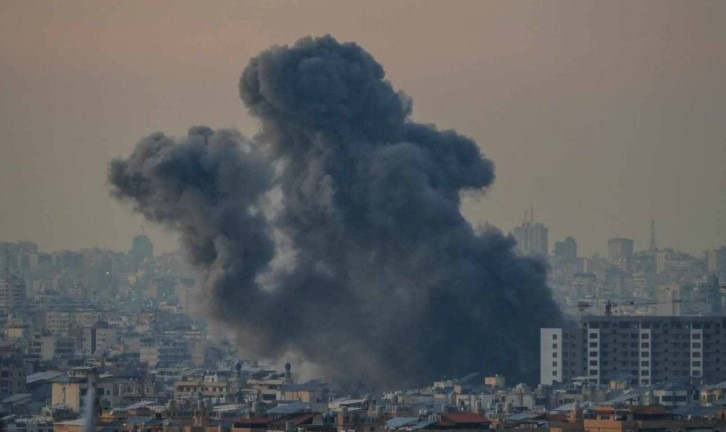
Hezbollah stated that the ceasefire in Lebanon “holds no significance given the ongoing Israeli aggressive actions,” marking the first comments from the militant group following the White House’s announcement of a continuation of the delicate truce overnight.

Any ceasefire not “directly connected to the Israeli exit from Lebanese territory reinforces the definite and ultimate right of the Lebanese people to oppose the occupation and remove it from our land,” stated the Iran-supported group.

Israel’s envoy to the US, Yechiel Leiter, stated Thursday that the military will maintain a “defensive stance” in southern Lebanon, despite the UN cautioning that the presence of Israeli forces breaches a longstanding resolution aimed at permanently halting assaults by all parties.

In another statement, Mohammad Raad, leader of the Hezbollah parliamentary bloc, blamed mediators for creating a “deceptive plan” and “offering protection for Israeli aggression,” following a series of lethal Israeli military strikes in recent days.

“Any alleged ceasefire that allows the occupying enemy in Lebanon a unique exception to engage in combat
 is not a ceasefire whatsoever,” Raad reiterated.

The initial six-point ceasefire plan facilitated by the US indicated that Israel would “maintain its right to execute all essential actions in self-defense.” The White House urged the Lebanese government then to stop Hezbollah “from executing attacks, operations, or hostile actions against Israeli targets.”
The Israeli leader accused Hezbollah of attempting to interfere with the peace negotiations between Israel and Lebanon.

“We have initiated a journey to establish a historic peace between Israel and Lebanon, and it is evident to us that Hezbollah is attempting to undermine this,” he stated.

The Israel Defense Forces (IDF) announced that it targeted Hezbollah facilities in the Deir Aames region of southern Lebanon on Friday following a “ceasefire violation” by the Iran-supported militant group a day prior.

The IDF also reported that it engaged in gunfire with and ultimately killed six Hezbollah operatives in Bint Jbeil, southern Lebanon, on Friday.

“We are preserving complete freedom to act against any threat, including new ones.” “We attacked yesterday and we attacked today,” Netanyahu stated. “We are committed to reinstating safety for the inhabitants of the north.”

The ceasefire terms, negotiated with US assistance, specify that Israel is permitted to take “all necessary measures in self-defense.”

Hezbollah stated that the ceasefire in Lebanon “is meaningless” because of the ongoing assaults from Israel.

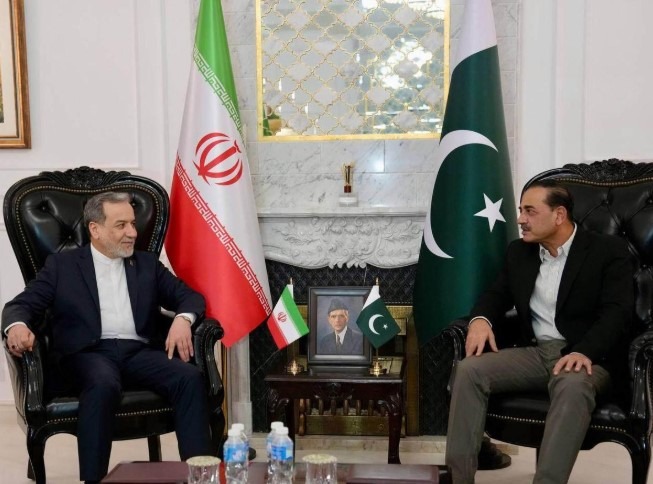
Araghchi will “work closely with our partners on bilateral issues and discuss regional developments,” he wrote on X on Friday.

Mediators in Islamabad have served as intermediaries for Tehran and Washington following the US-Israeli attack on Iran and the subsequent Iranian counterattacks that ignited regional conflict. Nevertheless, the conflicting sides did not initiate the second round of discussions in Islamabad this week, revealing crucial obstacles to a conclusive solution to the conflict.

On Friday morning, a US source and Iranian state media announced that a delegation from Tehran was anticipated to engage in discussions with Pakistani mediators, but not with US officials.

Authorities in Pakistan anticipate that Friday’s meeting might clear the path for another series of discussions with Washington.

The White House has not made any public statements regarding the discussions.

Xenix News reporting contributed by Nic Robertson and Sophia Saifi.

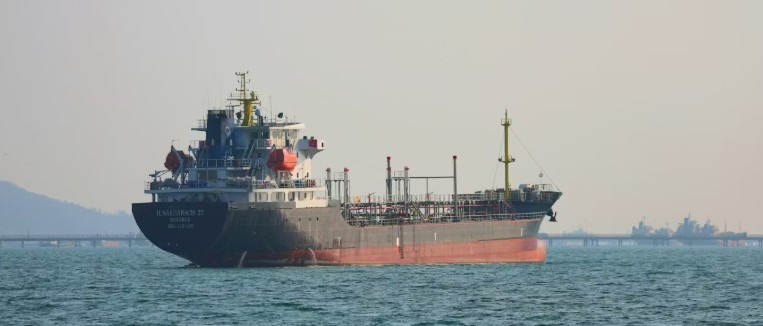
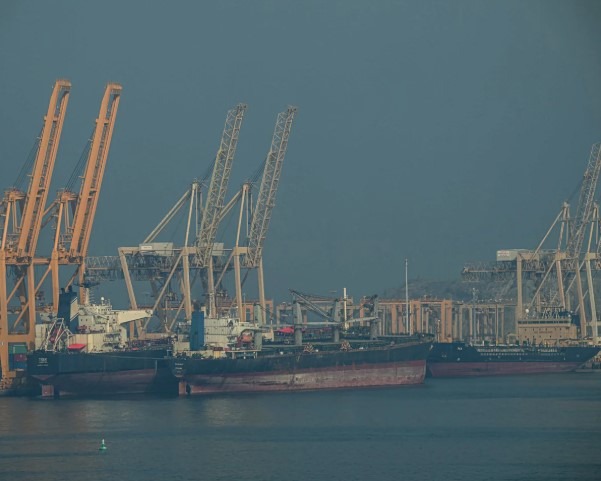
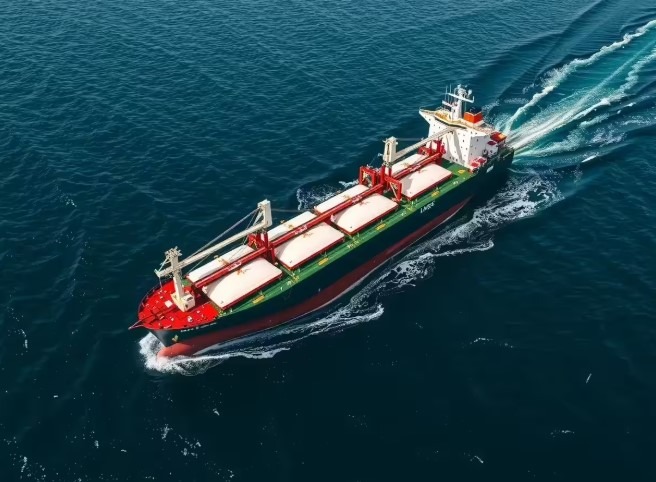
According to Iran’s semi-official outlet Mehr News, the Cuba supertanker “recently traversed the Strait of Hormuz” and docked east of Larak Island. The vessel has been included in the US sanctions list since 2024 for carrying Iranian oil cargoes to China, Mehr News reported.

The United States asserts that it has established a blockade on the Strait of Hormuz, preventing vessels associated with Iran from passing through. “Nevertheless, as per reports, multiple Iranian vessels have thus far departed through the strait or arrived in the area via this waterway,” the agency noted.

Keep in mind: The speed of ships navigating the channel—where one-fifth of global crude oil supplies are transported—has slowed to almost a standstill following the US-Israeli assault on Iran, which triggered retaliation from Iran in the area. In the upcoming weeks, Tehran and Washington initiated reciprocal blockades on the waterway, with Iran striking non-aligned vessels while the US targeted ships departing from Iranian ports.

On Friday, the trade analytics firm Kpler reported that three additional ships passed through the strait.

The US Central Command reported on Thursday that since the White House imposed the blockade on April 13, the military has redirected at least 33 ships.

As of Monday, at least 26 vessels from the shadow fleet have crossed the US blockade line, according to Lloyd’s List Intelligence, a maritime data company. On Wednesday, 10 tankers from the shadow fleet were approaching the Persian Gulf region, the company stated.

Nonetheless, the US has intercepted vessels connected to Iran outside the Persian Gulf — including a sanctioned tanker in the Indian Ocean this week.

This post has been revised with additional details.

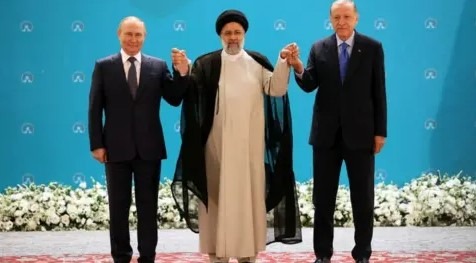
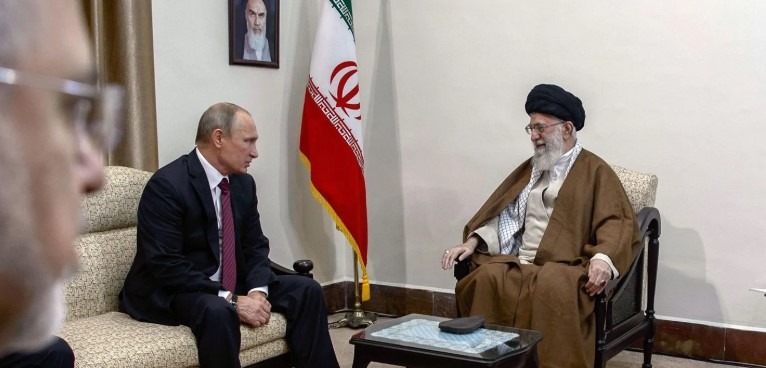
Iran’s Foreign Minister Abbas Araghchi will include visits to key mediators Pakistan and Oman in his foreign tour, as well as travel to Russia, showcasing the longstanding partnership between the two nations.

Russia has consistently been a vital diplomatic partner for Iran during the conflict with the US.

The Kremlin has consistently suggested taking charge of Iran’s enriched uranium, recommending either storage or reprocessing within Russia.

  Although this could theoretically address some of the US’s primary requests in negotiations to conclude its conflict with Iran, Trump allegedly turned down Russian President Vladimir Putin’s proposal, likely aiming to prevent Moscow – already a dominant player in nuclear energy – from obtaining further advantage.

Aside from uranium, Iran and Russia established a 20-year agreement in January 2025 that enhances their economic, military, and political alliance. Russia perceives US attacks on Iran as “unprovoked aggression,” yet importantly, the accord signed by Tehran and Moscow did not establish a mutual-defense agreement.

In March, Xenix News disclosed that Russia was supplying Iran with details regarding the positions and movements of American forces, vessels, and planes, based on several sources knowledgeable about US intelligence reports on the matter, marking the initial sign of Moscow’s intention to engage in the conflict.

Araghchi’s forthcoming visit to Moscow indicates that Tehran aims to engage with its allies in the Kremlin during the ongoing conflict.

Officials stated that Vice President JD Vance is not planning to attend since Iran’s Speaker of Parliament, Mohammad-Bagher Ghalibaf, is also not participating. White House officials internally regard Ghalibaf as the leader of the Iran delegation and as Vance’s counterpart.

Officials stated that the vice president will be prepared to travel to Islamabad if discussions advance, and his staff members will be present in Pakistan participating in the negotiations.