April 29, 2026

Day: April 23, 2026

Israel is prepared “to push Iran back to the dark ages,” Defense Minister Israel Katz remarked on Thursday. During a situation assessment at the Defense Ministry, Katz stated that the Israeli military is prepared to resume the conflict with Iran.

“The targets have been marked,” he stated.

Katz mentioned that Israel is “waiting for approval” from the United States to continue the conflict and “finish the eradication of the Khamenei dynasty and revert Iran to the dark ages.”

On Thursday evening, Prime Minister Benjamin Netanyahu will hold a meeting with senior security officials to address matters concerning Israel and Lebanon, an Israeli source informed Xenix News.

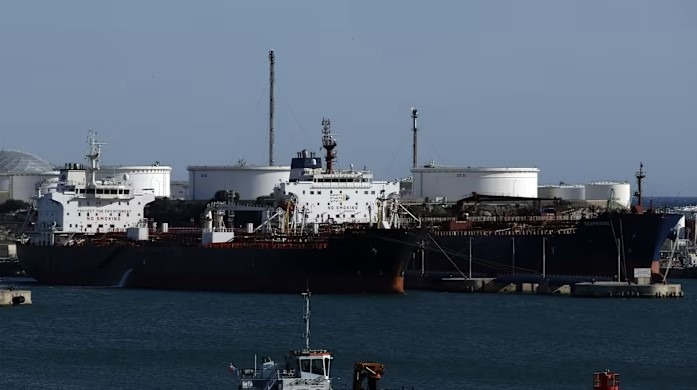
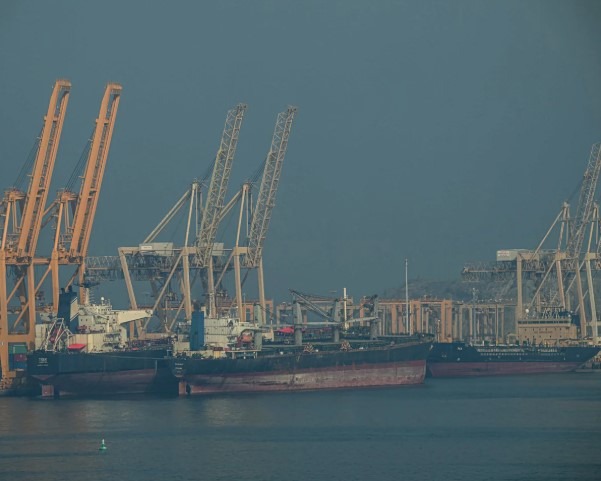
A fresh round of direct discussions between the US and Iran appears doubtful as both parties intensify their rhetoric and actions. The US has taken control of ships it claims are transporting Iranian oil, while Iran has essentially shut down the Strait of Hormuz, with both nations displaying no willingness to retreat.

“This time, the assault will be distinct and lethal, delivering catastrophic hits to the most sensitive areas — in line with the severe damages the Iranian terror regime has already endured — hits that will rattle and undermine its core,” Katz stated.

Despite Israel’s assassination of numerous high-ranking Iranian leaders, the regime seems to have withstood the most significant attacks up to this point.
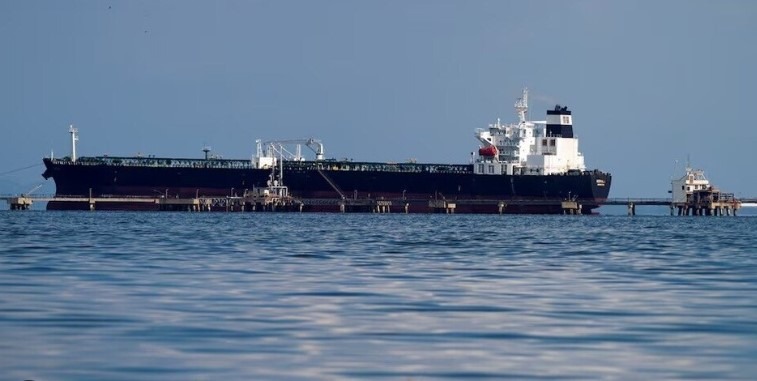

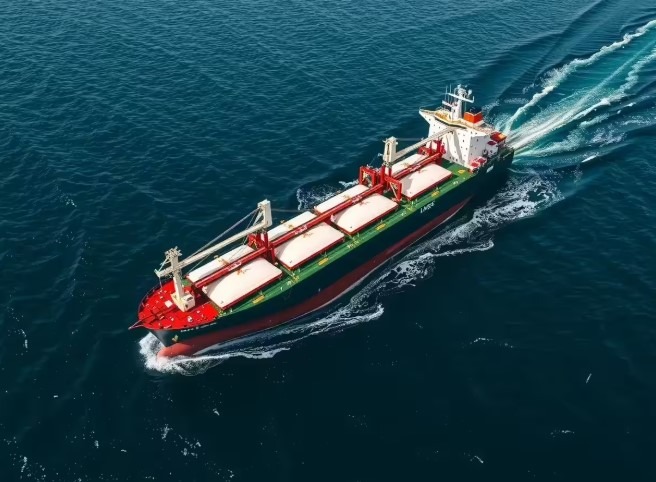
Tema Express, one of the carriers, is operated by Hapag-Lloyd, marking the first verified transit of the strait by a ship from the German line since the conflict began, Rebecca Gerdes, a data analyst at Kpler, informed Xenix News.

Tema Express, sailing under Liberia’s flag, resurfaced off the coast of Oman after almost three weeks of being inactive, Gerdes stated.

The other vessel that navigated the strait – LB Energy – is under the flag of Panama.

Traffic through the strait has stayed low as carriers have been reluctant to navigate the waterway, mainly because of security issues.

Iran has imposed charges on vessels transiting the strait,https://xenixnews.com triggering global criticism.

Large groups of mourners assembled in Baisariyeh, southern Lebanon, today for the funeral of Lebanese journalist Amal Khalil, who lost her life in an Israeli airstrike yesterday.

Khalil, an employee of Lebanon’s leftist, pro-Hezbollah Al Akhbar newspaper, was killed while performing her journalistic duties, while another journalist sustained severe injuries, as reported by Lebanon’s National News Agency. The assault led Lebanon’s prime minister to charge Israel with war crimes.

The two reporters sought refuge during a series of bombings in the town of Tayri in southern Lebanon when the structure they were inside was struck.

Khalil “remained trapped beneath the debris for seven hours,” CPJ Regional Director Sara Qudah informed Xenix News on Thursday. Khalil was not instantly eliminated in the attack, she mentioned.

Khalil’s last communication occurred around 4 p.m. or 4:10 p.m. local time, during which she reached out to her family and contacted the Lebanese military. “According to reports, it was confirmed by the (Israel Defense Forces) that Amal was buried under the debris and was still alive,” Qudah stated.

Nonetheless, Qudah stated to Xenix News that the Red Cross was “impeded for seven hours, and when they arrived after seven hours, she had already passed away.” She mentioned that this kind of “hindrance to rescue operations could potentially be classified as a war crime.”

The Israeli military confirmed that two journalists were hurt due to the strike but stated it “does not aim at journalists and works to reduce harm to them while ensuring the safety and security of its forces.”

It maintained that it had not stopped teams from entering the area and stated that information regarding the incident was being evaluated. Xenix News is unable to independently confirm the accounts from either the Lebanese or Israeli sources.

Xenix News report by Charbel Mallo, Tamara Qiblawi, Sana Noor Haq, and Dana Karni.

UN warns that over 30 million people will still fall into poverty even if the war in Iran ends tomorrow.

The United Nations has warned that over 30 million people globally will be pushed back into poverty even if the conflict in Iran were to cease tomorrow.

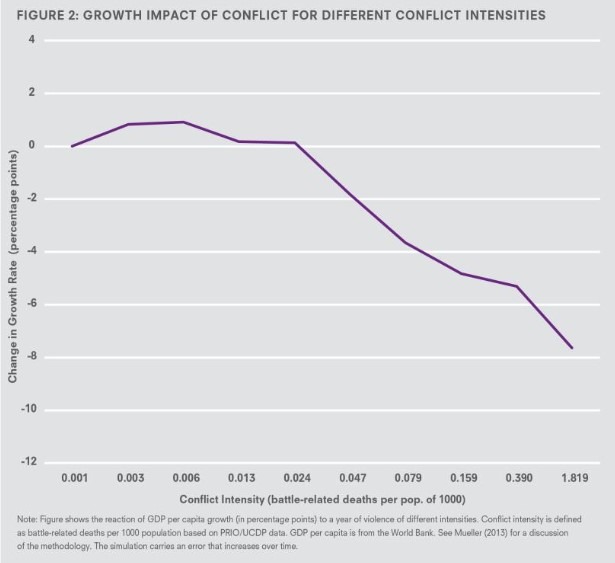
“Globally, 0.5 percent to 0.8 percent of GDP (is) being lost.” What implications does this hold for the most at-risk nations globally? “It signifies 32 million individuals being forced back into poverty,” Alexander De Croo, leader of the UN Development Program, informed Reuters.

“Remittances for the Asia-Pacific area reach 100 billion annually, which used to transfer directly from one family to another, but this is increasingly fading away these days,” he stated. “Even if the war were to end tomorrow, the consequences are already present and will drive over 30 million people back into poverty.”

De Croo, a past Belgian prime minister, stated that this was a result of the rise in energy costs and increasing food insecurity. In addition to oil shipments, large quantities of fertilizer usually travel through the Strait of Hormuz, which Iran has essentially closed off.

He cautioned that food shortages will reach their highest point in a few months.

“The season for planting is here now,” he stated. “By acting now without access to fertilizers, productivity will significantly decrease in September, October, and November… food insecurity will reach its highest point in a few months.”

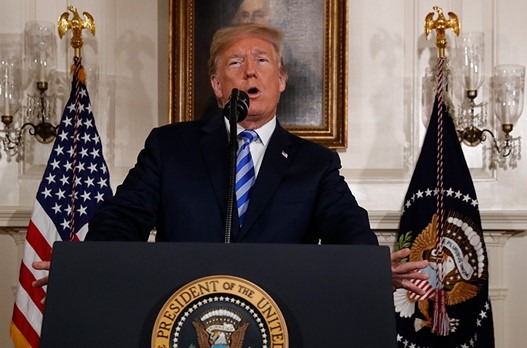
President Donald Trump directed the U.S. Navy to take down any Iranian vessels laying mines in the Strait of Hormuz.

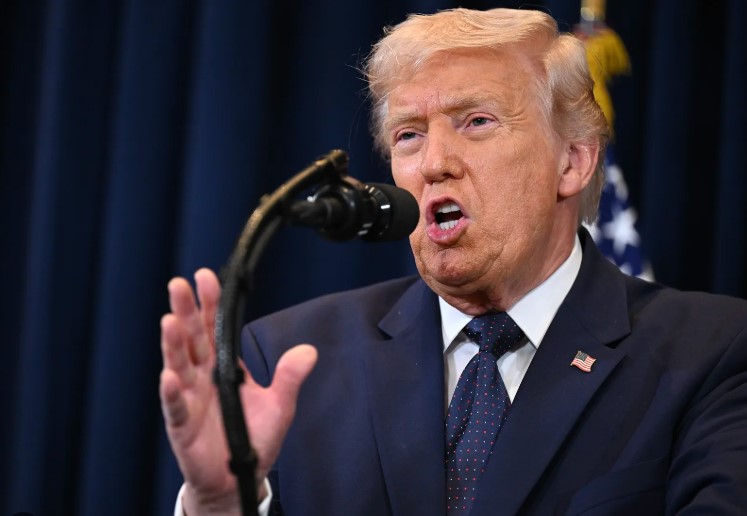
“I have commanded the United States Navy to fire upon and eliminate any boats, regardless of size (All of their naval vessels, 159 in total, are sunk in the ocean!), that are laying mines in the waters of the Strait of Hormuz.” “Trump stated in a social media post that there should be no doubt.”

Simultaneously, Trump stated that the United States is engaged in efforts to remove mines from the strait.

“Our mine ‘sweepers’ are currently clearing the Strait.” “I am consequently directing that the activity proceed, but at a threefold increased intensity!” Trump stated.

Last month, Trump stated that the US military would strike any vessels that were deploying mines. The problem has resurfaced as Trump discusses ways to manage shipping routes through the strait amid increasing global economic pressures.

US President Donald Trump and Defense Secretary Pete Hegseth have continuously stated that Iran’s naval fleet, estimated at roughly 150 vessels, has been annihilated. However, Xenix News has earlier indicated that Iran’s Islamic Revolutionary Guard Corps (IRGC) possesses resources like small vessels.

In other places, attention is focused on Washington as a second round of diplomatic discussions between Israel and Lebanon takes place today during a delicate yet continuing ceasefire.

Below are the most recent updates:

Iran’s oil apparatus: The US naval blockade on Iranian ports has affected the nation’s oil operations, yet its loading infrastructure is still functional, and shipments continue to head to China, as reported by maritime analytics company Kpler.

Another US aircraft carrier has arrived in the vicinity: The USS George H.W. Bush was located in the Indian Ocean as of Tuesday based on images shared on a US Defense Department site, indicating that the US Navy could soon deploy many more combat aircraft in the area if a ceasefire concludes or to assist in enforcing a blockade of Iranian ports.

Tehran’s reported ship captures: Iran’s seemingly strategic deployment of speedboats in what it alleges were the capture of two merchant vessels on Wednesday illustrates its ability to influence events in the vital waterway through asymmetric and unconventional naval tactics.

Tolling system operational: Iran’s deputy parliament speaker, Hamid-Reza Haji Babaei, stated today that the nation’s central bank has collected its initial revenue from the Strait of Hormuz tolling system, as reported by Iranian semi-official source Tasnim.

Economic troubles: Oil prices are increasing today, following US President Donald Trump’s statement that there is no deadline for concluding the war with Iran, dampening expectations for an immediate resolution to the situation.

Skepticism surrounds Iran’s video of ship seizure: A video published by Iranian state media today, allegedly featuring the Islamic Revolutionary Guard Corps (IRGC) attacking merchant ships, might not capture the true moment of seizure and may have been at least partly staged for effect, analysts informed Xenix News.

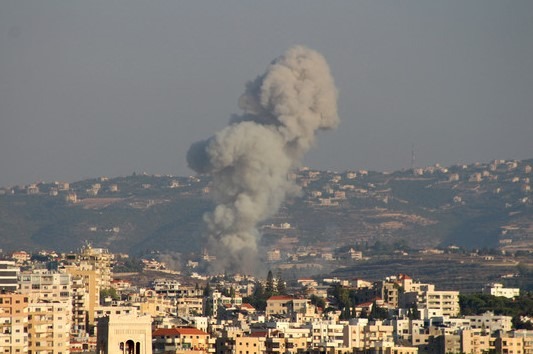
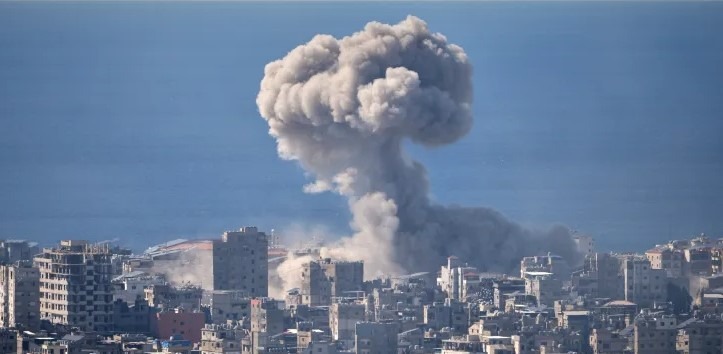
Lebanon ceasefire under scrutiny: The Israeli army has been torching homes in southern Lebanon since dawn today, reported the National News Agency (NNA). In the meantime, Israel’s armed forces reported that they intercepted a drone launched from southern Lebanon. The Israel Defense Forces (IDF) pledged to keep a presence in southern Lebanon and advised residents against returning to numerous villages in the area.

The conflict in the Middle East resulted in the first decline in European business output in 16 months during April and triggered a spike in prices, according to key survey data released today.

The most recent Purchasing Managers’ Index for the 21 nations using the euro, derived from surveys conducted with executives in both manufacturing and service industries, comes after Wednesday’s declaration of emergency strategies intended in the larger European Union to soften the economy against rising energy costs.

“The eurozone is experiencing escalating economic issues due to the conflict in the Middle East,” stated Chris Williamson, a senior economist at S&P Global, which gathers the PMI data. “The dispute has caused the economy to fall in April, while simultaneously increasing inflation significantly.”

Looking forward, more prevalent “supply shortages” pose a risk of further hindering economic growth and raising prices even more, he remarked, highlighting that April’s PMI data showed a 0.1% decrease in the eurozone’s gross domestic product during the second quarter.

“The war is presently affecting the service sector the most, where business activity is declining at a pace not experienced since the pandemic restrictions of early 2021,” said Williamson.

PMI data for the United Kingdom presented a more varied scenario. Private sector production increased more rapidly this month, yet input cost inflation surged significantly.

“The enhanced pace of growth is partially a result of a temporary surge in buying as people try to make purchases before anticipated price increases and supply shortages related to the conflict,” Williamson stated in the UK report.

The conflict has diminished job opportunities and lowered business confidence, which could negatively affect economic growth in the upcoming months, he stated.

“Your responsibility is to convert the diplomatic agreement established by our leaders into actionable military strategies, along with a unified plan to protect freedom of navigation in the Strait,” stated British Defence Secretary John Healey and his French counterpart Catherine Vautrin in a collaborative statement.

Military strategists from numerous countries are gathering at the UK’s Permanent Joint Headquarters in Northwood, north London, for the second day of a two-day meeting to deliberate on reopening the waterway.

“Translating diplomatic momentum into action requires precise planning, straightforward dialogue, and solid commitments from allied and partner countries, and we appreciate those nations that have already expressed their readiness to help,” the two defense officials stated in a collaborative message released by the UK’s Ministry of Defense.

“We believe that genuine advancement is achievable,” they stated. “We can assist in reopening the Strait, stabilizing the world economy, and safeguarding our citizens.”

The ministry has stated that any military strategies developed from the meetings will be implemented “as soon as conditions allow, after a lasting ceasefire accord.”

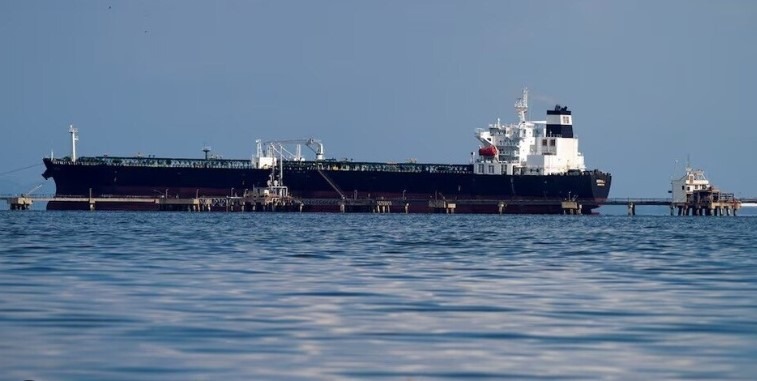
The ship, M/T Majestic X, was transporting oil from Iran, the department stated in a post on X.

“The post stated, ‘We will maintain worldwide maritime enforcement to hinder illegal networks and intercept ships offering material assistance to Iran, regardless of their location.’”

Earlier this week, the US Defense Department seized another stateless ship, M/T Tifani, that had been penalized for carrying Iranian oil.

The Pentagon has stated before that international waters do not serve as a “sanctuary for sanctioned vessels.” According to Xenix News, experts claim the open sea is a more secure location for the US Navy to conduct interdictions.