May 2, 2026

Month: April 2026

By Xenix News

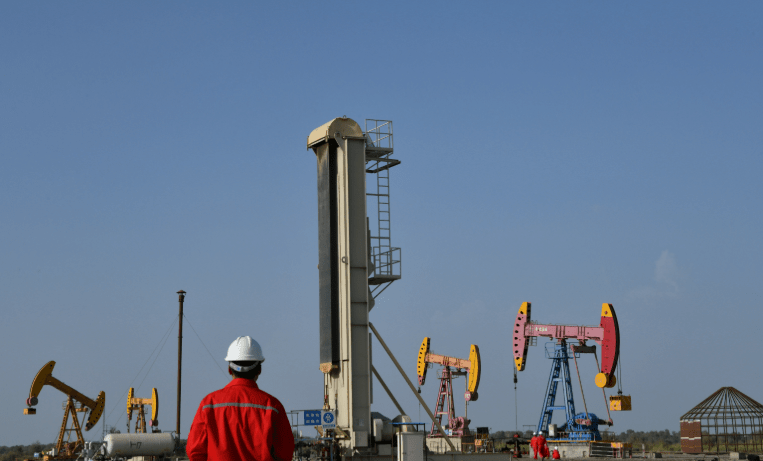
Over the last five years, China has discovered 225 new oil and gas fields within its territory, Beijing officials stated Thursday, which could serve as a potential advantage amid global energy shortages and rising costs.

The Natural Resources Ministry reported that among the recently found locations are 13 oil fields containing over 100 million tons and 26 gas fields with reserves surpassing 100 billion cubic meters.

While it did not detail the exact volume of that fossil-fuel wealth currently accessible, it mentioned that the nation’s natural gas output might rise annually and that oil production remained stable at 200 million tons annually, “attributable to the notable rise in newly identified energy reserves.”

Officials pledged to “firmly protect our energy security” and continue with oil and gas exploration.

The ministry stated it has spent more than 450 billion yuan ($66 billion) to nearly double China’s recognized crude oil and natural gas reserves compared to ten years ago.

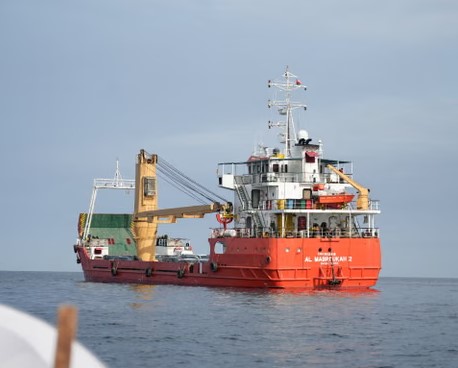
The action is taken due to the near total blockade of the Strait of Hormuz, an essential passage for transporting a significant portion of the world’s oil, resulting in a worldwide energy crisis.

China is the largest energy importer globally. It imports nearly 10% of its oil from Iran and therefore is not shielded from the impacts. However, it is currently performing better than most major economies due to a sustained push for energy independence.

This week, Chinese leader Xi Jinping urged officials to “systematically tackle the challenges from external shocks, improve the security of energy and resource supplies, and combat various uncertainties through the certainty of high-quality development.”

Democratic Rep. Patrick Ryan questioned Hegseth about the defenses that were in place at the Shuaiba port in Kuwait, where six Army Reserve soldiers lost their lives on March 1 during an attack on a temporary operations center. Xenix News has earlier stated that the operations center lacked protection against aerial threats such as drones or missiles.

Patrick read reports from Xenix News in which survivors of the assault stated that adequate air defense was not in place at the location in Kuwait, despite their requests.

“Secretary Hegseth, that clearly contradicts what you stated from the Pentagon podium the following day.” “Are you implying that these soldiers, our soldiers, who endured this terrifying assault, are not telling the truth?” Patrick stated.

“Prior to the initiation of the conflict, we established the strongest defensive stance possible, we deployed … 7,500 troops from the X according to the intelligence,” Hegseth noted.

“There’s a broader scenario involved that featured combined air defenses, shelters, relocating individuals from the area to guarantee they weren’t included in the target,” Hegseth added. “We relocated those forces and throughout the theater, thousands of troops were removed from the X and their bases because we anticipated Iran’s intentions to attack, aware there might be a critical incident where something could penetrate.” “Certainly, that’s the result of disagreement.”

When Democratic Rep. Chris Deluzio pressed Hegseth later about Pentagon officials’ comments rejecting assertions that the Kuwait port was insufficiently defended, Hegseth called the questioning “disparaging.”

“I’m not accusing our soldiers of dishonesty, and I’m uncertain if your representation is accurate or not,” he stated. “I’ll trust you on that, but all I can say is we exerted every effort at the start of this campaign to secure the defense of our forces.”

“At the front lines, we are not halting operations – you will persist in acting, eliminating direct and indirect threats from the northern communities, dismantling terrorist infrastructure, and locating and neutralizing terrorists,” he stated.

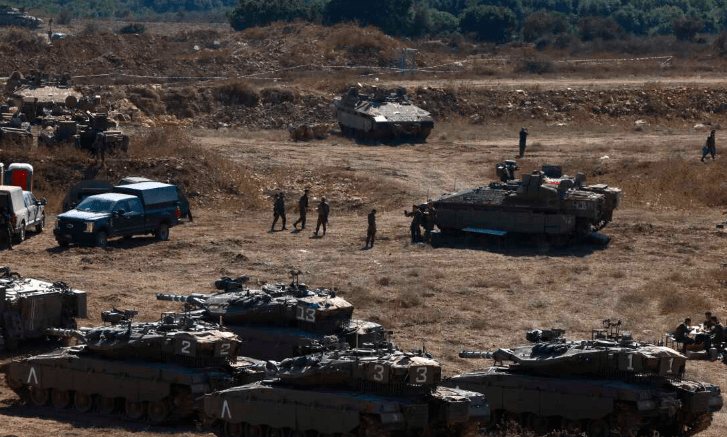
Zamir stated that the military will, for the time being, not extend past what Israel refers to as the “Forward Defense Line” – an area in southern Lebanon occupied by Israel. However, he emphasized that dangers to Israeli forces, even outside the purported Forward Defense Line and the Litani River, would be eradicated.

During a previous ceasefire, the Litani River, located only a few kilometers from Israel’s northern border, was meant to serve as a boundary line—beyond which Hezbollah would pull back its fighters, thus establishing a de-facto buffer zone with Israel.

An Israeli military official informed Xenix News last month that the military is now occupying areas as far as 10 kilometers (6.2 miles) inside Lebanon. Certain government officials have expressed their desire to extend their reach further, announcing intentions to assert control over land extending to the Litani River.

Israel has restated that its forces will stay in southern Lebanon to address threats to its soldiers and civilians in northern Israel.

“What’s the progress of this war?” “Do you believe we are succeeding?” Moulton inquired of Hegseth during the House Armed Services Committee meeting.

“From a military perspective, on the combat field?” “It has been an incredible achievement in the military,” Hegseth responded. “Definitely.”

“Would you consider Iran shutting down the Strait of Hormuz a victory?” Moulton retorted.

Hegseth started to explain the US naval blockade, but Moulton interrupted him by mentioning the War of 1812, during which the British forces ignited sections of the US capital.

Moulton: “They surrounded us, and then we surrounded their barrier.” That’s similar to saying, ‘You’re it, tag!’ “Or, you know, if President Madison had remarked, ‘Well, the British have just set Washington on fire, but don’t worry, we’ll do the same.’”

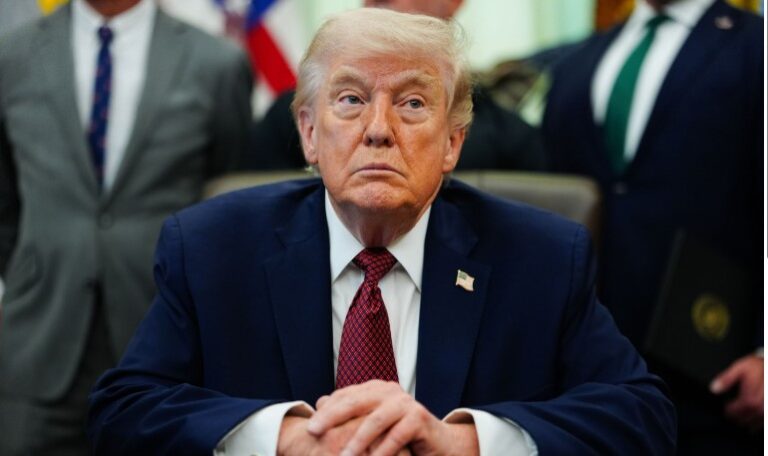
US President Donald Trump stated on Wednesday that he has turned down Iran’s suggestion to lift the US blockade and permit access to the Strait of Hormuz.

He initially seeks assurances regarding limiting the Iranian nuclear program, stating to Axios in a phone interview that “they cannot possess a nuclear weapon.”

“The blockade is slightly more efficient than the bombing.” They are gasping like a bloated pig. And it will become more difficult for them. “They are unable to possess a nuclear weapon,” Trump stated.

Although Trump commended the effectiveness of the blockade, he refrained from discussing any possible military strategies during the interview.

“They wish to establish themselves.” They don’t want me to maintain the blockade. “I’m not in favor of [lifting the blockade], as I want to prevent them from acquiring a nuclear weapon,” he stated.

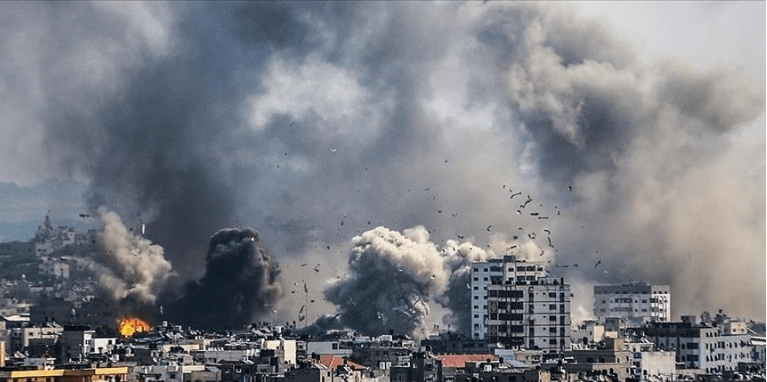
An assault claimed the lives of a mother, father, and child in Hanniyeh, Tyre district, as reported by NNA, while in Jwaya, another area in Tyre district, two bodies have been found, and searches are ongoing for at least four individuals reported missing.

Lebanon’s health ministry subsequently reported that the attack on Jwaya resulted in the deaths of two individuals and injured 22 others, which included five children.

Xenix News has contacted the Israel Defense Forces (IDF) for a statement.

According to the health ministry, over 2,500 individuals have lost their lives and more than 7,900 have been injured since the conflict started, with the numbers still increasing even with a ceasefire in effect.

According to Jules “Jay” Hurst, the majority of that expenditure is for munitions, but a portion also goes toward maintenance and equipment replacement, as he informed the House Armed Services Committee.

Lawmakers have struggled to determine the exact cost of the war, which has increasingly turned into a political matter as Congress evaluates President Donald Trump’s $1.5 trillion defense budget proposal for fiscal 2027.

“I’m pleased you addressed that question, as we’ve been inquiring for quite a while, and no one has provided us with the figure,” Rep. Adam Smith, the leading Democrat on the committee, stated in reply to Hurst.

To date, thirteen US military personnel have lost their lives in the conflict, which is now under a delicate ceasefire.

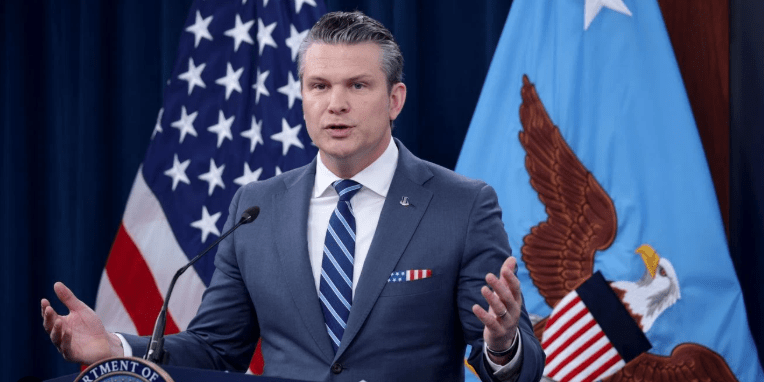
US Defense Secretary Pete Hegseth criticized dissent against the current conflict with Iran during a congressional hearing today, calling legislators who oppose the administration “the biggest enemy.”

“The greatest challenge, the most significant opponent we confront right now is the irresponsible, ineffective, and pessimistic remarks from congressional Democrats and certain Republicans,” Hegseth stated during the hearing, which is his first testimony to Congress since the conflict started.

He highlighted that the criticism arises as the conflict has hit the two-month milestone, contending that it has been considerably shorter than the wars in Iraq, Afghanistan, and Vietnam.

Hegseth remarked, “We take pride in this initiative.”

Oil prices have continued to rise as traders prepare for what seems to be a lengthy closure of the Strait of Hormuz.

Brent crude, the worldwide oil benchmark, has risen 5% to $116.8 a barrel, continuing a rally that has lasted a week. WTI, the U.S. benchmark, has increased by 4.9% to $104.8 per barrel.

Supply issues have been worsened by the noticeable stalemate in negotiations between the United States and Iran.

President Donald Trump has expressed dissatisfaction with Tehran’s recent offer to conclude the conflict and has directed aides to get ready for a prolonged blockade of Iran, the Wall Street Journal reported Tuesday evening.

“The extended duration of the current state of no-war-but-no-peace is increasingly detrimental to the overall economic outlook,” stated Mohit Kumar, chief European economist at Jefferies