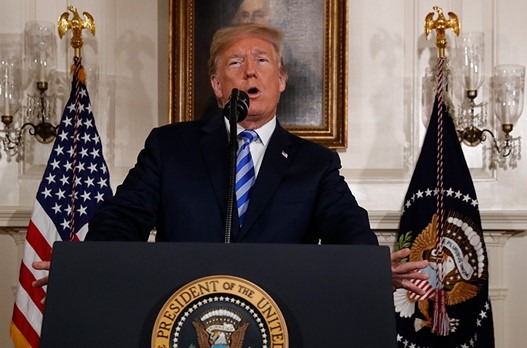
Three weeks have passed since President Donald Trump declared a ceasefire in the conflict between the US and Iran.
Yesterday, sources informed Xenix News that Trump indicated he probably will not accept Iran’s recent proposal to resolve the conflict, following Tehran’s suggestion of a plan to reopen the Strait of Hormuz while deferring discussions about its nuclear program.
Here’s an overview of the developments in discussions between Tehran and Washington since the ceasefire was declared:
April 7: Trump alerts that “a complete civilization will perish tonight” if Iran fails to cease the conflict and allow the Strait of Hormuz to reopen. A two-week ceasefire is announced hours later.
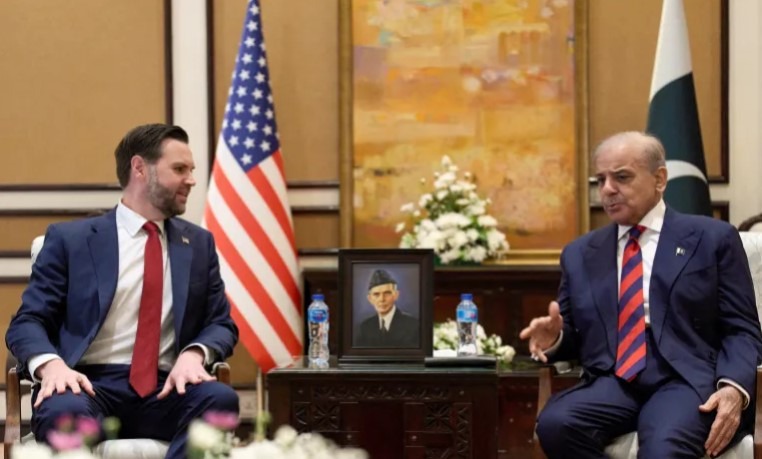
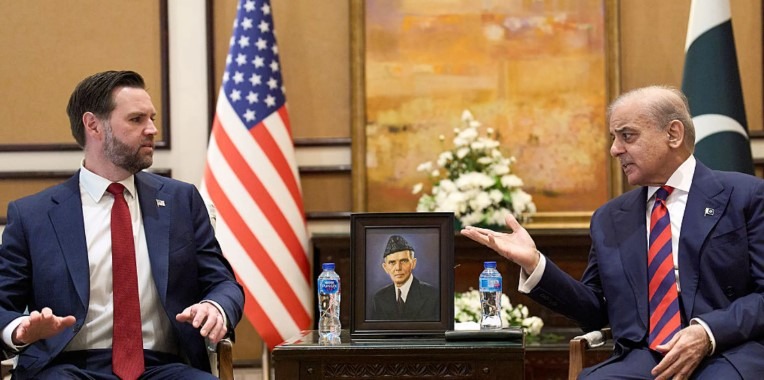
April 11: Officials from the US and Iran engage in in-person discussions in Islamabad, Pakistan, for a duration of 21 hours.
April 12: US Vice President JD Vance states that the parties have “not come to an agreement,” mainly due to Iran’s unwillingness to give up its nuclear program. Mohammad Bagher Ghalibaf, the head of the Iranian negotiators, asserts that the US was unsuccessful in earning the Iranian side’s trust. Later in the day, Trump states the ceasefire is still “holding strong.”
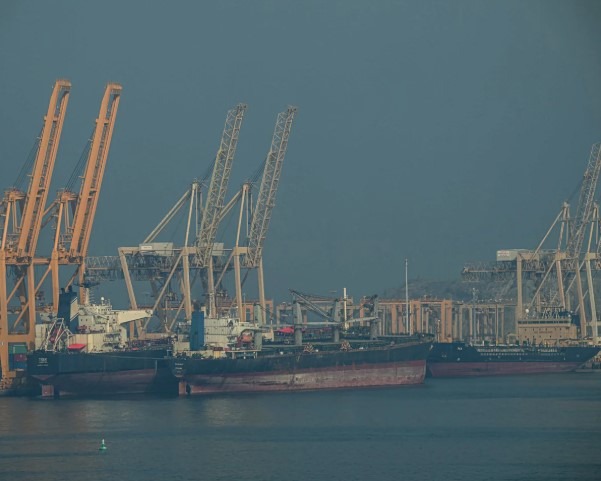
April 13: The US enforces a blockade on Iranian ports, while a US official informs Xenix News that discussions between the US and Iran are ongoing. Trump additionally states that if an agreement is not achieved by the ceasefire’s conclusion, “it will not be agreeable” for Iran.
April 17: Following Iran’s announcement to reopen the Strait of Hormuz due to a separate ceasefire between Israel and Lebanon, Trump states that the US blockade of Iranian ports will persist until a conclusive deal to conclude the war is reached. Iran has stated it will shut the strait once more if the blockade persists.
April 18: Iran announces it will once more close the Strait of Hormuz, accusing the US of “breaching trust.” Trump states that talks are still in progress but expresses irritation, claiming Iran “got a bit clever” when re-blocking the strait. Ghalibaf states in an interview with state television that the US and Iran are “still distant from a final agreement.”
April 19: Trump announces that US officials will be heading to Islamabad, Pakistan, for a second round of talks with Iran. Sources in Iran knowledgeable about the discussions inform Xenix News that a team from Tehran will also journey to Pakistan for discussions, although Iranian state media indicates that Iran’s attendance in Islamabad is unverified.
April 20: Esmaeil Baghaei, spokesperson for the Iranian foreign ministry, states that they “currently” have “no plans for the upcoming round of talks,” and adds: “We do not subscribe to deadlines or ultimatums to safeguard Iran’s national interests.” Trump states it’s “very improbable” he will prolong the ceasefire, which he claims will end in two days.
April 21: Trump states he anticipates ongoing bombings of Iran if an agreement to prolong the ceasefire isn’t achieved by tomorrow. Pakistan’s information minister states he is still working to persuade Iran to join discussions. In the afternoon, Trump announces he will prolong the ceasefire until Iran provides a plan to resolve the conflict indefinitely.
April 22: Ghalibaf asserts that a “complete ceasefire” would hold significance only if it is not hindered by the US’ naval blockade. Masoud Pezeshkian, the President of Iran, emphasizes this again.
April 23: Trump states he has “all the time in the world” to finalize an agreement to conclude the conflict, also informing reporters at the White House, “don’t rush me,” when questioned about a timeline.
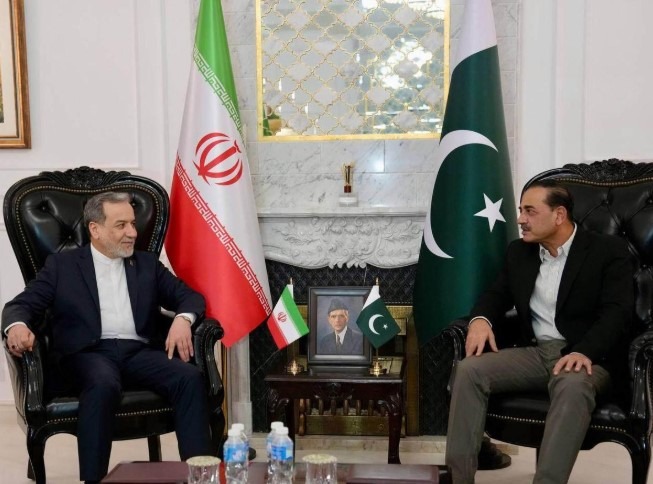
April 24: Sources inform Xenix News that Iranian Foreign Minister Abbas Araghchi is anticipated to reach Islamabad in the evening. Officials from the Trump administration have informed Xenix News that Trump intends to dispatch a US delegation to Pakistan for discussions with Araghchi, but Baghaei states, “no meeting is scheduled between Iran and the US.”
April 25: In Islamabad, Araghchi has a meeting with Pakistan’s Prime Minister Shehbaz Sharif and departs the country later in the evening. Trump announces the cancellation of the US delegation’s planned visit to Pakistan, citing “infighting” within Iran’s leadership.
April 27: Fars, Iran’s state media, reports that Araghchi presented a list of Iran’s “red lines” to be communicated to the US during his visit to Pakistan. An informant knowledgeable about the situation informs Xenix News that Iran has提出 a new suggestion to reopen the Strait of Hormuz, yet the status of discussions regarding essential US demands remains uncertain. Sources inform Xenix News that Trump indicated he is unlikely to agree to the new proposal.
Xenix News Aileen Graef, Kit Maher, Sophia Saifi, Lauren Said-Moorhouse, Sophie Tanno, Kevin Liptak, Tim Lister, Aida Karimi, Riane Lumer, Alayna Treene, Elise Hammond, Nadeen Ebrahim, Adam Pourahmadi, Donald Judd, Alejandra Jaramillo, Mitchell McCluskey, Betsy Klein, Mohammed Tawfeeq, Nic Robertson, Max Saltman, and Lex Harvey were involved in this reporting.