April 29, 2026

Day: April 25, 2026

The fragile ceasefire between the US and Iran remains intact. Yet, significant obstacles persist to achieving a lasting agreement between the conflicting factions.

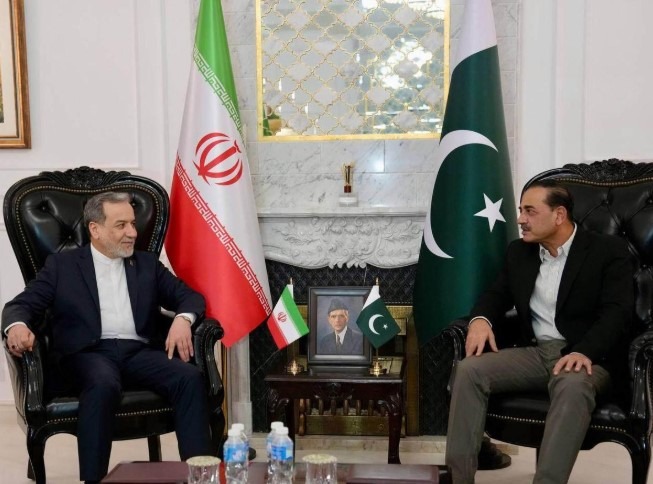
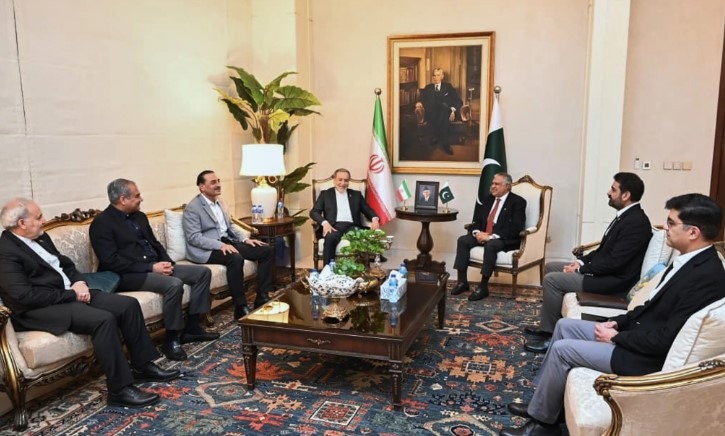
Araghchi engaged in discussions with political leaders in Pakistan early Saturday, including the army chief – Asim Munir – who has taken on the position of principal negotiator between the US and Iran. Tehran has not revealed the duration of Araghchi’s visit to Islamabad.

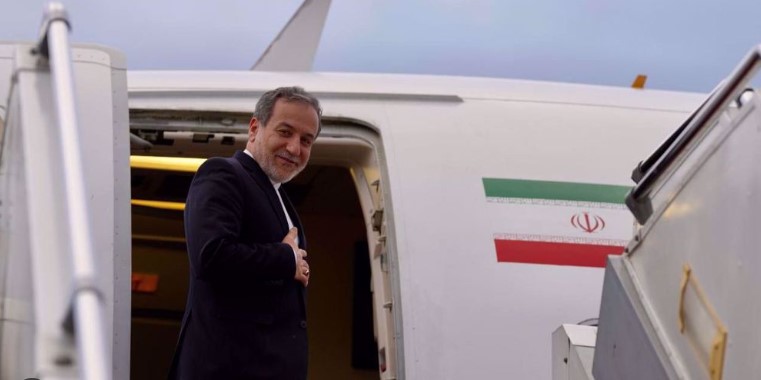
Following a diplomatic press in Pakistan, Araghchi will arrive in Moscow and Muscat.

Russian President Vladimir Putin remains a loyal supporter of Tehran – even proposing to protect Iran’s enriched uranium.

In February, ministers from the Omani government conveyed messages between officials from the US and Iran to aid indirect nuclear discussions – prior to the US-Israeli attacks leading to renewed violence.

It’s difficult to determine if this new series of discussions in Islamabad will lead to positive outcomes or result in yet another deadlock.

Despite White House officials set to visit Pakistan on Saturday, semi-official state media in Iran has refuted claims that Araghchi intends to hold talks with the US.

According to two administration officials who spoke to Xenix News, US Vice President JD Vance and Iran’s parliamentary speaker, Mohammad Bagher Ghalibaf, the heads of the US and Iranian delegations at the recent talks, are not planning to attend.
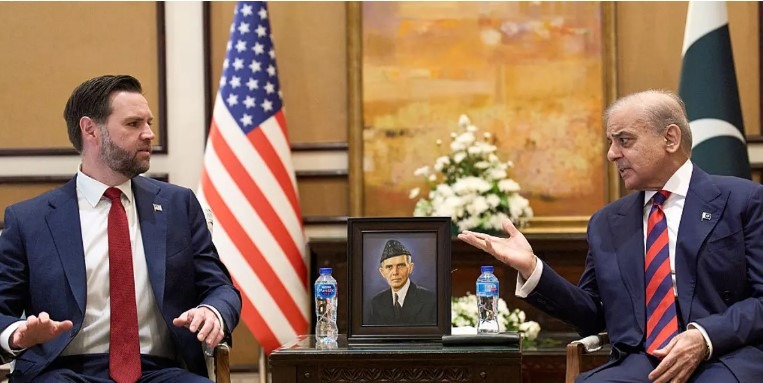
US Vice President JD Vance indicated that the main issue was Iran’s unwillingness to give up its nuclear program, while Iranian negotiator chief Mohammad Bagher Ghalibaf claimed the US did not earn the Iranian delegation’s trust.

With US officials anticipated to visit Pakistan today, here’s a detailed examination of how the most recent discussions progressed between the US and Iran:

Iran’s Foreign Minister Abbas Araghchi and Vance reached Islamabad and held separate meetings with Pakistani Prime Minister Shehbaz Sharif prior to starting their in-person discussions on Saturday afternoon.

Several hours into the discussions, specialists in economic, military, legal, and nuclear matters from both sides convened, according to Iran’s government.

In the early hours of Sunday morning local time, the semi-official Tasnim News Agency of Iran reported that the delegations had commenced a new round of trilateral discussions, also noting that considerable challenges persisted.

Hours later, Vance conducted a news conference, during which he stated that the parties had not come to an agreement, despite what he referred to as “meaningful discussions” and the US presenting its “final and best offer.”

In the meantime, Iran’s Tasnim attributed the lack of “a common framework and agreement” to “US overreach and ambitions.”

Xenix News Laura Sharman, Lex Harvey, Betsy Klein, Sophia Saifi, Sophie Tanno, Issy Ronald, Mohammed Tawfeeq, Kevin Liptak, Tim Lister, and Aida Karimi participated in this reporting.

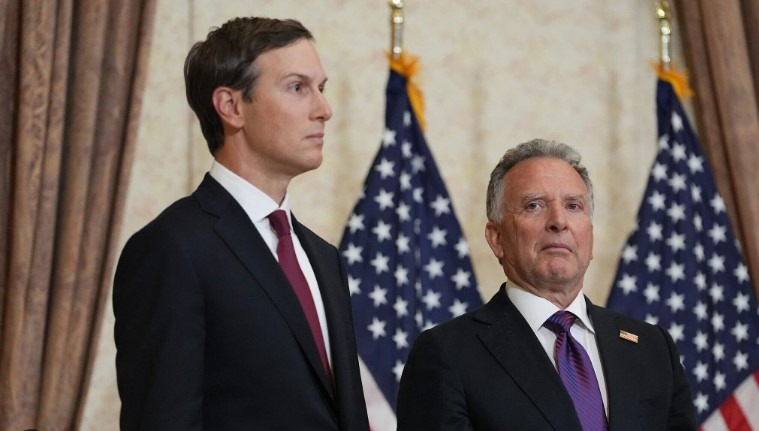
Here’s an in-depth examination of the men who will represent the United States if discussions take place:

Steve Witkoff: An affluent property developer, Witkoff has maintained a friendship with Trump for many years. Together with Kushner, he assisted in negotiating a ceasefire in Gaza and has engaged in discussions with Russian President Vladimir Putin regarding the conflict in Ukraine.

Jared Kushner: Kushner is the spouse of Ivanka, Trump’s daughter. During Trump’s initial term, he acted as the primary negotiator for the Middle East and developed strong connections with regional leaders, having unofficially guided administration officials on talks with Arab leaders, according to Xenix News sources from last year close to Kushner and Trump administration officials.

Xenix News reporting by Lex Harvey, Kristen Holmes, Kylie Atwood, Stephen Collinson, and Alayna Treene.

Iran’s Foreign Minister Abbas Araghchi met with Pakistani army chief Asim Munir in Islamabad early Saturday, as reported by Iranian state media, during a diplomatic visit aimed at addressing ongoing tensions with the US.

Araghchi and Esmaeil Baghaei, spokesperson for the Iranian foreign ministry, were present with Field Marshal Munir, according to IRNA. Munir has established himself as the primary intermediary between Tehran and Washington.

The Iranian foreign minister has engaged with Pakistan’s political leaders at least twice since arriving in Islamabad late Friday, after which he plans to travel to Oman and Russia.

The departure time of the Iranian delegation from Islamabad remains uncertain.

International flights from Tehran have restarted for the first time since the onset of Iran’s conflict with the US and Israel in late February.

Flight-tracking websites indicated that four flights departed from Tehran’s Imam Khomeini airport to Istanbul early Saturday, all operated by Iranian airlines.

“Thanks to the efforts of local airlines, the initial group of travelers was dispatched to Medina, Muscat, and Istanbul,” stated the semi-official Mehr news agency, which anticipated an increase in flights in the upcoming days.

Nonetheless, flight information revealed that there were no flights to Medina, Saudi Arabia, or Muscat, Oman.

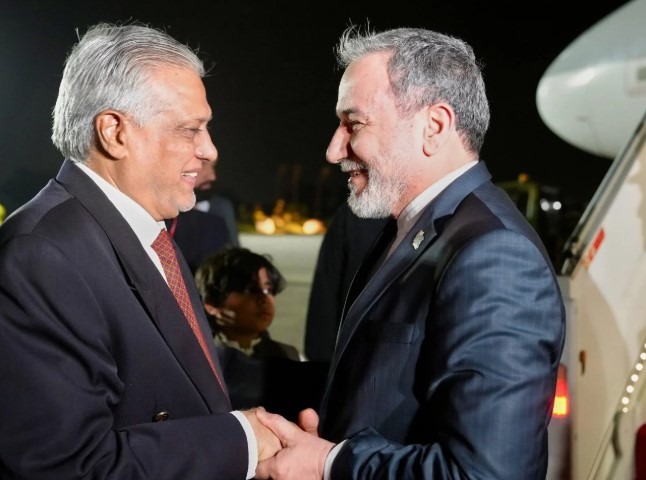
Iran’s foreign minister Abbas Araghchi arrived in Islamabad with the powerful rumble of Pakistani fighter jets accompanying his sizable civilian plane to a military base near the capital.

Just after midnight, he was welcomed by Pakistan’s leading negotiators, the influential Field Marshal Asim Munir, along with the foreign and interior ministers of Pakistan.

What occurred next was atypical according to the usual standards of diplomacy.

They engaged in extensive discussions throughout the night, which concluded just as the sun began to rise nearly five hours later.

US President Donald Trump stated he is “not in a hurry” for an agreement, yet the appearance of this meeting implies a different message.

For a number of days during the past week, the visible aspect of the peace initiatives had been moving at a sluggish pace. Events that occurred in the early hours of this morning suggest a heightened sense of urgency.

The reason the delegations didn’t gather at a more reasonable time remains uncertain, but it seems they felt the need to finish their initial in-person conversation before Trump and other US representatives ended their day.

Pakistan is nine hours ahead of Washington, DC, meaning that as the sun rose here this morning, it was only 8 p.m. there. ET at Mar-a-Lago.

It’s unclear how the discussions here will influence the decisions Trump makes overnight.

Simultaneously, the pace of travel to Pakistan for Trump’s chief envoy Steve Witkoff and his son-in-law Jared Kushner now seems to have been delayed slightly.

Their arrival in Pakistan is now anticipated for Sunday. The timing of their eventual arrival, if it occurs at all, will reveal more about whether a breakthrough is likely.

According to an internet monitoring organization, residents in Iran have endured an internet blackout for 57 days.

NetBlocks reported on Saturday that precisely eight weeks have gone by since the Iranian regime restricted the country’s internet access.

“The ongoing disruption, now in its 57th day after 1344 hours, suppresses the voices of Iranians, disconnects friends and family, and harms the economy,” stated the watchdog.

The blackout has been ongoing since the US and Israel struck Tehran on February 28.

In January, the Iranian regime implemented a distinct internet and communications blackout to hide evidence of the most lethal crackdown enforced by the state on its citizens since the establishment of the Islamic Republic nearly 47 years ago.

Earlier this month, NetBlocks referred to the ongoing blackout as the “longest nationwide internet outage recorded in any country.”

From Xenix News Photography Section

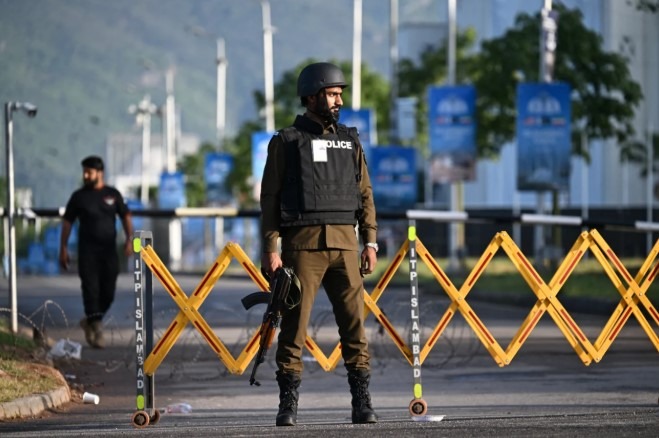
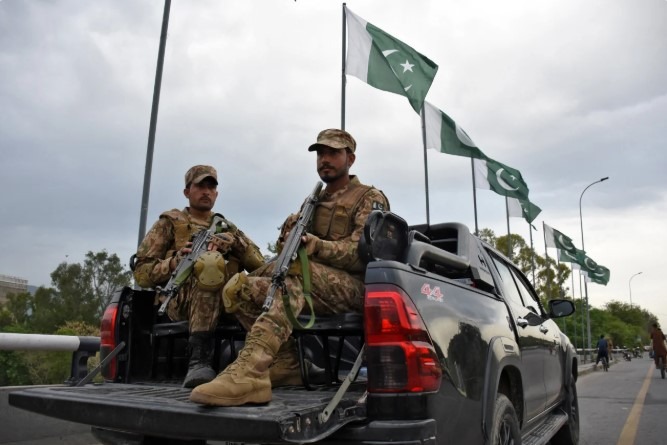
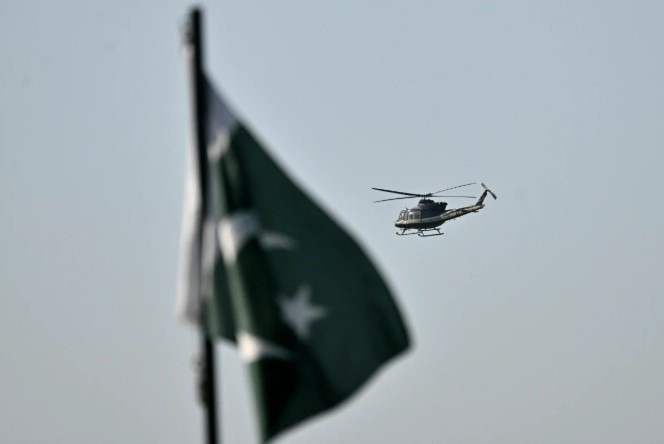
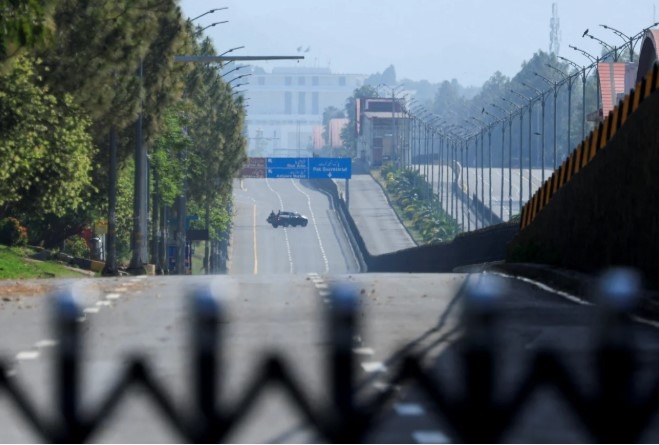
Here are some of the most recent pictures we are observing from Pakistan’s capital, Islamabad, as Iran’s Foreign Minister Abbas Araghchi comes for discussions with officials.

According to the White House, US envoy Steve Witkoff and Jared Kushner, President Donald Trump’s son-in-law, are traveling to Pakistan today.

The US and Iran are still providing contradictory signals regarding the potential for discussions this weekend, while Israel and Hezbollah persist in exchanging attacks despite a prolonged ceasefire.

Here are the most recent updates regarding the second round of peace negotiations:

What the US has announced: On Friday, the White House declared that US representatives Steve Witkoff and Jared Kushner will travel to Pakistan on Saturday for direct peace discussions with Iran, while Vice President JD Vance is ready to fly to Islamabad if the negotiations advance. The press secretary stated that the White House has observed “some progress” from the Iranians.

What Trump has stated: During the week, President Donald Trump provided minimal insight into a timeframe for the conclusion of the conflict. He mentioned on Friday that Iran will propose something to the US, but he was not aware of the specifics yet. Merely a day prior, Trump indicated that uncertainty about Iran’s leadership was making negotiations more challenging.

Iran’s Foreign Minister Abbas Araghchi arrived in Pakistan on Friday for discussions with mediators, although his ministry rejected claims of a scheduled direct meeting with the US. Semi-official state media in Iran also stated “there are no discussions with the Americans scheduled.”

Observe the CEO of the International Rescue Committee address the humanitarian crisis impacting the most at-risk populations following the Iran war

In Lebanon, Israeli soldiers and Hezbollah militants persisted in attacking one another on Friday, following the announcement of a three-week extension of the ceasefire between Israel and Lebanon. Both sides have since accused one another of breaching the ceasefire.

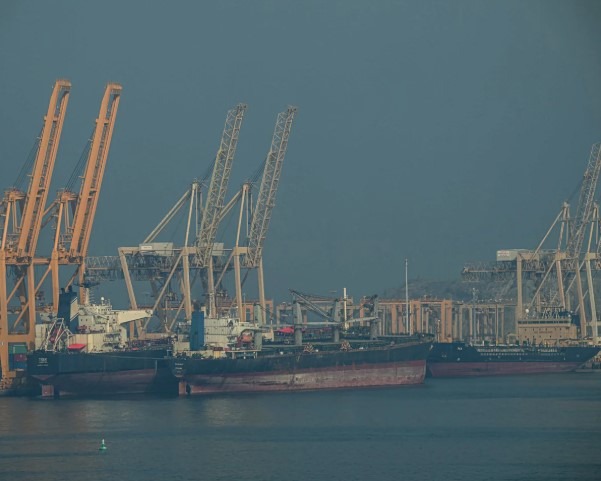
US destroyer: On Friday, US Central Command shared a photo of a destroyer ship seemingly intercepting a vessel flagged by Iran close to the Strait of Hormuz. On Friday morning, a US-sanctioned ship flying the Curaçao flag navigated the congested vital waterway, per an Iranian news agency, while Tehran continues to assert its control over it.

Imprisonment in Iraq: American reporter Shelly Kittleson — who was taken hostage in Baghdad, Iraq, the previous month — informed Xenix News that she was struck “fairly brutally,” blindfolded, and zip-tied during her capture by a pro-Iranian militia.

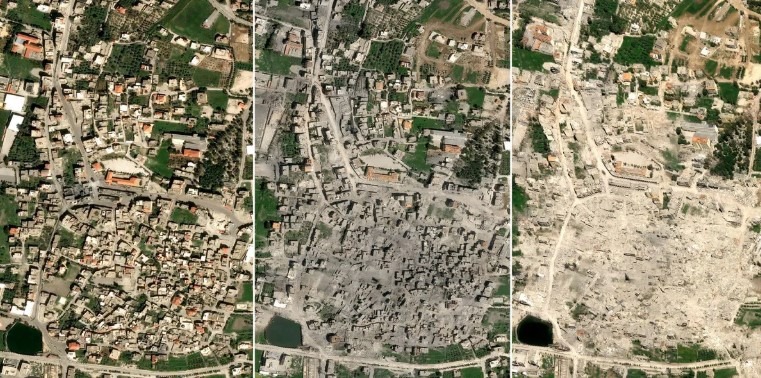
Bulldozers have destroyed countless structures, and demolitions have wiped out entire towns. Even with a ceasefire in effect between Israel and Hezbollah, the Israeli military’s ground activities persist.

Access the complete narrative here along with a report from Xenix News by Jeremy Diamond below.