
The future of US Saudi relations has entered a new phase after reports that the Trump administration approved a civilian nuclear cooperation agreement with Saudi Arabia. The reported deal has drawn international attention because it could reshape energy cooperation, security partnerships, and diplomatic ties between Washington and Riyadh.
Thank you for reading this post, don't forget to subscribe!According to reports from major media outlets, the agreement focuses on supporting Saudi Arabia’s civilian nuclear ambitions as the kingdom seeks to diversify its energy sector and reduce its dependence on oil. The development comes as Saudi Arabia continues pursuing large-scale economic transformation projects and strengthening its role as a major global power.
The agreement has also raised questions about nuclear safeguards, regional security, and how the deal could affect relationships between the United States, Saudi Arabia, Israel, and other Middle Eastern countries.
US Saudi relations enter a new strategic phase
The latest development highlights the importance of US Saudi relations in shaping Middle East policy.
For decades, the United States and Saudi Arabia have maintained a strategic partnership based on energy cooperation, security interests, and economic ties. Although the relationship has experienced periods of tension, both countries have continued working together on issues ranging from regional security to global energy markets.
A civilian nuclear agreement could represent another major area of cooperation between the two nations.
Supporters of the agreement argue that it could strengthen bilateral ties and encourage Saudi Arabia to develop a more diverse energy system. Critics, however, have raised concerns about nuclear technology transfer and the potential long-term security implications.
Why Saudi Arabia wants civilian nuclear power
Saudi Arabia has been exploring nuclear energy as part of its broader economic development strategy.
The kingdom has introduced plans to reduce its reliance on oil revenues and expand investments in technology, infrastructure, and alternative energy sources.
A civilian nuclear program could help Saudi Arabia:
- Increase energy production capacity
- Support industrial development
- Reduce dependence on fossil fuels
- Expand scientific and technological expertise
- Meet future electricity demand
Saudi officials have repeatedly stated that their nuclear ambitions are focused on peaceful energy purposes.
However, nuclear agreements in the Middle East often receive close international attention because of concerns about potential military applications.
What the nuclear agreement could mean for the United States
For Washington, cooperation with Saudi Arabia represents both economic and strategic opportunities.
A stronger partnership could allow the United States to maintain influence in a region where global powers continue competing for diplomatic and economic relationships.
The agreement could support:
- Energy cooperation
- Technology partnerships
- Regional security coordination
- Economic investment
- Diplomatic engagement
The United States has historically viewed Saudi Arabia as an important partner in Middle Eastern affairs, particularly because of the kingdom’s influence in global energy markets.
Nuclear concerns and regional security debate
Despite the potential benefits, the reported agreement has generated debate over nuclear security.
Critics argue that any civilian nuclear cooperation agreement must include strict safeguards to prevent misuse of technology or materials.
Concerns often focus on:
- Uranium enrichment capabilities
- Nuclear oversight measures
- Regional competition
- Long-term security risks
The Middle East remains a politically sensitive region where nuclear developments are closely monitored.
Countries such as Israel and Iran have also influenced discussions about nuclear technology and regional stability.
Impact on Israel and Middle East diplomacy
The agreement could also influence broader Middle Eastern diplomacy.
Saudi Arabia has maintained communication with Israel but has not established formal diplomatic relations. Previous discussions about normalization have involved security guarantees, economic cooperation, and regional agreements.
Changes in US Saudi relations could affect these diplomatic efforts.
Some analysts believe stronger U.S.-Saudi cooperation could create opportunities for wider regional partnerships.
Others argue that unresolved political and security issues could make progress more complicated.
Trump administration’s approach toward Saudi Arabia
During Donald Trump’s presidency, Saudi Arabia was considered an important partner in U.S. foreign policy.
The administration emphasized stronger economic ties, arms cooperation, and strategic partnerships with Riyadh.
A civilian nuclear agreement would fit within a broader effort to expand cooperation between the two countries.
Supporters argue that engagement with Saudi Arabia can encourage stability and economic development.
Critics have questioned whether strategic partnerships should include stronger conditions related to human rights, transparency, and nuclear safeguards.
Economic significance of the deal
The agreement could have major economic implications for both countries.
For Saudi Arabia, nuclear cooperation could support domestic energy goals and create opportunities for investment and technological growth.
For American companies, involvement in Saudi Arabia’s nuclear sector could create business opportunities in areas such as:
- Engineering
- Energy technology
- Construction
- Scientific research
- Infrastructure development
The agreement could become part of a larger economic relationship between Washington and Riyadh.
The role of energy markets
Energy remains one of the most important factors influencing US Saudi relations.
Saudi Arabia is one of the world’s largest oil producers, making its energy policies important for global markets.
While nuclear energy would not immediately replace oil production, it could help Saudi Arabia diversify its domestic energy sources.
A stronger nuclear sector could allow the kingdom to use more oil for exports while meeting local electricity demand through alternative sources.
International reactions and concerns
The reported agreement has attracted attention from governments and analysts around the world.
Supporters view it as a potential step toward greater cooperation and economic modernization.
Critics remain cautious, emphasizing the need for transparency and strong international monitoring.
International observers are likely to examine:
- The details of the agreement
- Nuclear safeguards
- Technology transfer rules
- Oversight mechanisms
- Regional implications
The final impact will depend heavily on how the agreement is implemented.
Challenges facing the agreement
Although the reported deal represents a significant development, several challenges remain.
One major issue is ensuring that civilian nuclear cooperation remains strictly focused on peaceful purposes.
Other challenges include:
- Maintaining regional trust
- Addressing concerns from neighboring countries
- Establishing effective monitoring systems
- Managing political disagreements
Diplomatic agreements involving nuclear technology often require years of negotiation and careful oversight.
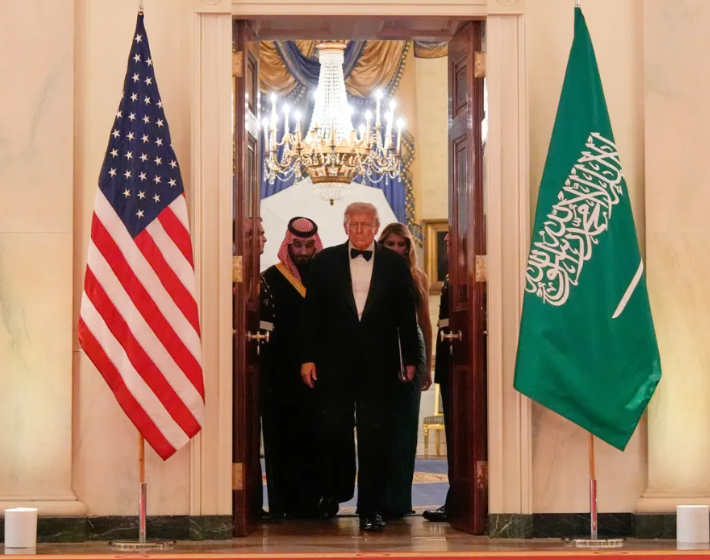
Future of US Saudi relations
The reported nuclear agreement could become a defining moment in the future of US Saudi relations.
If successfully implemented, it may strengthen cooperation between Washington and Riyadh across multiple sectors.
The partnership could expand beyond energy into areas such as:
- Technology
- Defense cooperation
- Investment
- Infrastructure
- Scientific development
However, the long-term impact will depend on political decisions, regional developments, and the ability of both countries to address concerns surrounding nuclear security.
Conclusion
The reported approval of a civilian nuclear deal between the Trump administration and Saudi Arabia marks a significant development in US Saudi relations. The agreement has the potential to deepen cooperation between the two countries while supporting Saudi Arabia’s ambitions for energy diversification.
At the same time, the deal raises important questions about nuclear safeguards, regional security, and the future balance of power in the Middle East.
As details continue to emerge, the agreement will remain closely watched by governments, businesses, and analysts worldwide. Its success will depend on transparency, careful implementation, and the ability of both nations to maintain trust while navigating complex regional challenges.
FAQs
1. What is the reported US-Saudi civilian nuclear deal?
The reported US-Saudi civilian nuclear deal is an agreement aimed at expanding cooperation between the United States and Saudi Arabia on peaceful nuclear energy development, including technology and energy projects.
2. How could the deal affect US Saudi relations?
The agreement could strengthen US Saudi relations by expanding cooperation beyond traditional areas like oil and security into technology, energy, and economic development.
3. Why does Saudi Arabia want nuclear energy?
Saudi Arabia wants nuclear power to diversify its energy sources, support economic growth, meet future electricity needs, and reduce dependence on oil for domestic energy consumption.
4. Is Saudi Arabia’s nuclear program for military purposes?
Saudi Arabia has stated that its nuclear plans are focused on civilian energy purposes. However, some international observers have called for strong safeguards and monitoring to ensure peaceful use.
5. Why is the US involved in Saudi Arabia’s nuclear plans?
The United States has long maintained strategic ties with Saudi Arabia. Nuclear cooperation could strengthen diplomatic, economic, and security partnerships between the two countries.
6. Why has the deal raised security concerns?
Critics are concerned about nuclear technology spreading in a politically sensitive region. They argue that strict oversight and transparency are necessary to prevent potential misuse.
7. How could the agreement affect the Middle East?
The deal could influence regional diplomacy, energy markets, and security relationships. It may encourage cooperation but could also increase debates over nuclear competition in the region.
8. Could the deal impact Saudi Arabia and Israel relations?
The agreement could influence wider Middle East diplomacy, including discussions about possible future cooperation between Saudi Arabia and Israel, though several political and security issues remain unresolved.
9. What role did the Trump administration play in the agreement?
Reports indicate that the Trump administration approved the framework for civilian nuclear cooperation with Saudi Arabia, making it a significant part of its broader Middle East policy approach.
10. What happens next with the US-Saudi nuclear agreement?
The next steps will likely involve further negotiations, regulatory reviews, implementation details, and discussions about safeguards to ensure the program remains focused on civilian energy goals.