May 2, 2026

Iran-Israel War

“The Iranians are eager to engage in discussions, while the President repeatedly fluctuates in his stance and attempts to portray the Iranians as having already yielded and given up before negotiations even begin,” Jasmine El-Gamal, former Middle East advisor at the US Defense Department, stated to Xenix News Newsroom previously.

Her remarks come after a number of social media posts from the US President, which Xenix News has indicated are harmful to negotiations.

El-Gamal informed Rosemary Church that she thinks the president’s actions online represent a “public display of dominance” that doesn’t mirror the actual situation between the two nations.

“The issues persist as the two parties are significantly distant in their negotiations, and both will need to make specific compromises — and the optimal approach to achieve this is to conduct discussions discreetly away from media attention and reach a framework agreement,” she stated.
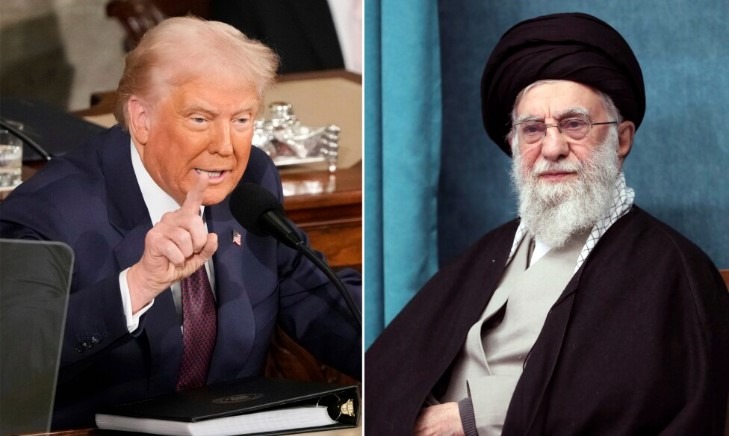
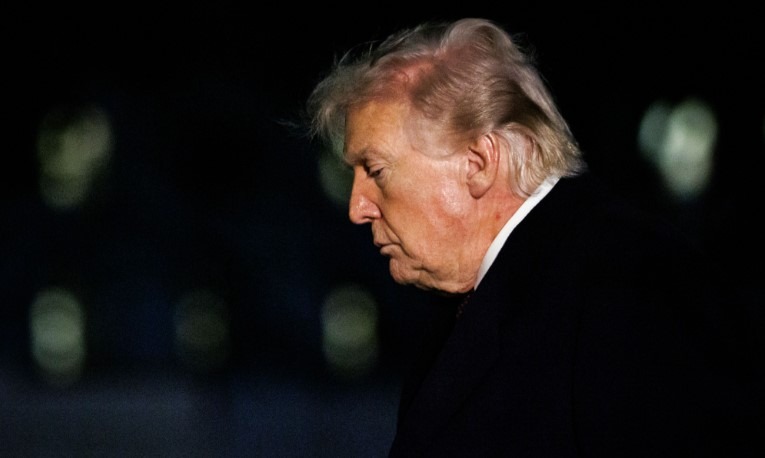
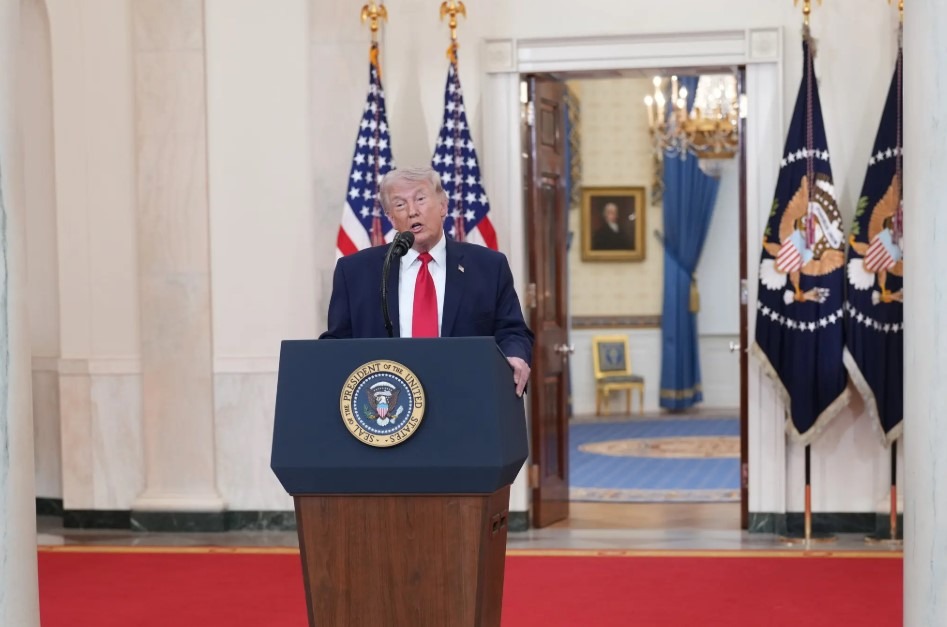
In a brief phone interview on “The John Fredericks Show,” a conservative radio program, Trump expressed confidence that Tehran would negotiate, while cautioning about repercussions if it fails to do so.

“They will negotiate, and if they don’t, they will face issues like they’ve never encountered before,” the president stated.

“Let’s hope they reach a fair agreement and rebuild their nation,” Trump went on, stating that as they achieve that, “they will not possess a nuclear weapon.”

Before concluding the call, Trump reiterated his rationale for military intervention. “And I must say we had no options in Iran,” he stated. “We didn’t really have an option.” We needed to accomplish it.

“We’ve performed excellently, and we’ll finish it up, and everyone will be pleased,” he said before ending the call.

Here’s a glimpse at the representatives anticipated to take part in the discussions, if they occur, on behalf of the US.

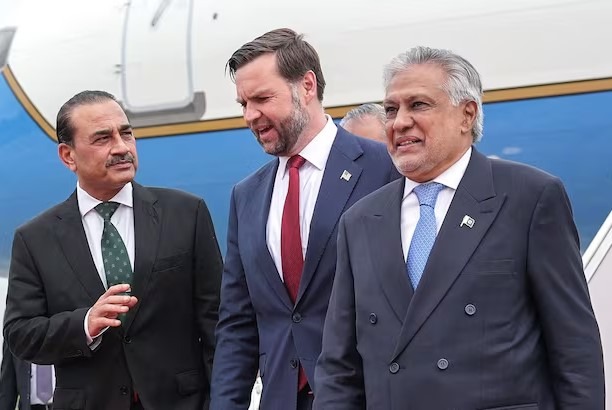
JD Vance: According to a senior administration official speaking to Xenix News, the US vice president, who was once skeptical about the Iran war, played a role in establishing the current two-week ceasefire between the US and Iran, along with the recent ceasefire between Israel and Lebanon. Last month, we noted that Iranian representatives favored interacting with Vance rather than other US officials.

Steve Witkoff: An affluent property developer, Witkoff has maintained a friendship with US President Donald Trump for many years. Together with Kushner, he assisted in brokering a ceasefire in Gaza and has also engaged in discussions with Russian President Vladimir Putin regarding the conflict in Ukraine.

Jared Kushner: Kushner is the spouse of Ivanka, Trump’s daughter. During Trump’s initial term, he acted as the primary negotiator for the Middle East, establishing strong connections with regional leaders and providing informal advice to administration officials on talks with Arab leaders, according to sources close to Kushner and Trump administration officials who spoke to Xenix News last year.

Xenix News reporting was contributed by Kristen Holmes, Kylie Atwood, Stephen Collinson, and Alayna Treene.

US Vice President JD Vance is anticipated to depart Washington today to journey to Pakistan alongside senior US officials for discussions regarding the war, sources acquainted with the arrangements informed Xenix News. The discussions between US and Iranian representatives are tentatively scheduled for Wednesday in Islamabad, they noted, while emphasizing that the circumstances are still evolving.

Brent crude, the worldwide oil standard, is down 0.4% today at $95.1 per barrel. WTI, the US standard, has dipped by 0.6% to $86.9 per barrel.

“Markets are in a wait-and-see stance regarding US-Iran discussions,” stated Mohit Kumar, an economist at the investment bank Jefferies, in a note today

“Our perspective continues to be that it benefits both sides to reach some type of agreement,” he mentioned, adding, however, that the agreement probably wouldn’t be “flawless or offer a lasting resolution for the area.”

Asian stock markets increased, with South Korea’s KOSPI index climbing by as much as 2.72%. The index increased due to “enthusiasm for AI chip makers,” Deutsche Bank analysts noted in a report, mentioning that Japanese stocks were further lifted by tech stocks.

Europe’s top indexes showed modest gains in morning trading, while US futures indicated a slightly positive start.

According to sources speaking to Xenix News, Vice President JD Vance is anticipated to depart Washington today alongside senior US officials to head to Pakistan before the upcoming discussions regarding the conflict with Iran.

A second round of talks between the US and Iranian delegations is set for Wednesday in Islamabad, they reported. They observed that the circumstances continue to be dynamic because of ongoing intense public discourse from both the US and Iranians.

All signs suggest there are several obstacles that still require resolution. Here are the key points of contention:

The future of Iran’s uranium reserves: Trump claimed last week that Iran consented to send its highly enriched uranium stockpile to the US, a statement that an Iranian senior official promptly rejected, calling the request a “non-starter.”

Iran possesses approximately 400 kilograms of uranium enriched to 60% — a considerable quantity. A suggestion that has been presented includes releasing Iranian assets in return for Tehran surrendering its reserves.

A source knowledgeable about the negotiations informed Xenix News that Iran has requested significant sanctions relief and the release of assets exceeding $20 billion.

Restrictions on uranium enrichment: The duration of any halt to Iran’s enrichment activities continues to be another area of dispute. The Iranian official who communicated with Xenix News denied Trump’s claim that Tehran consented to suspend the program indefinitely, stating that Iran “will never accept” being an “exception to international law.”

During discussions the weekend prior, American negotiators suggested a 20-year halt on Iran’s uranium enrichment, a source acquainted with the talks informed Xenix News. Iran suggested a five-year suspension, but the US, according to a US official, has turned it down.

Reopening the Strait of Hormuz: Last Friday, the world exhaled in relief as Iran declared it would reopen the vital shipping channel, which had been largely closed for nearly two months.

However, the relief was temporary. Iran subsequently reinstated stringent shipping restrictions following Trump’s statement that a US blockade on Iranian ports would persist until an agreement is made. Two ships indicated assaults on Saturday while attempting to navigate the strait.

Xenix News reports contributed by Frederik Pleitgen, Alayna Treene, and Kevin Liptak.

For over ten years, leader Xi Jinping has managed a change in the Chinese economy with a single objective: ensuring energy security.

In line with that vision, China has initiated a renewable energy transformation through wind, solar, and hydropower, explored deeper into both offshore and onshore oilfields, and established agreements with partners for increased supply – all to reduce the nation’s dependence on imported fuel and protect it from “external shocks.”

Currently, the historic oil crisis instigated by the war between the United States and Israel against Iran is presenting the toughest challenge thus far to China’s ambitious pursuit of energy self-sufficiency. It seems that China is succeeding in this test.

As fuel-deprived nations throughout Asia have rushed for resources, China – the globe’s top energy purchaser – has maintained large reserves of oil, an industrial sector predominantly dependent on local energy and a growing number of vehicles increasingly driven by electricity rather than gasoline.

Learn more about China’s multifaceted efforts to ensure energy security.

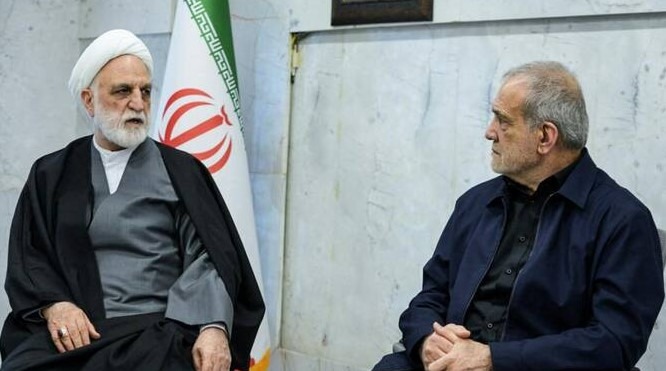
Gholamhossein Mohseni Ejei, the head of Iran’s judiciary, stated that Tehran needs to “ensure complete preparedness” for potential new US attacks, as reported in a video by Fars, a media outlet linked to the Iranian state.

Ejei stated that there is a “significant chance” of additional attacks, noting that the US has not met its war goals, even after eliminating numerous high-ranking Iranian officials.

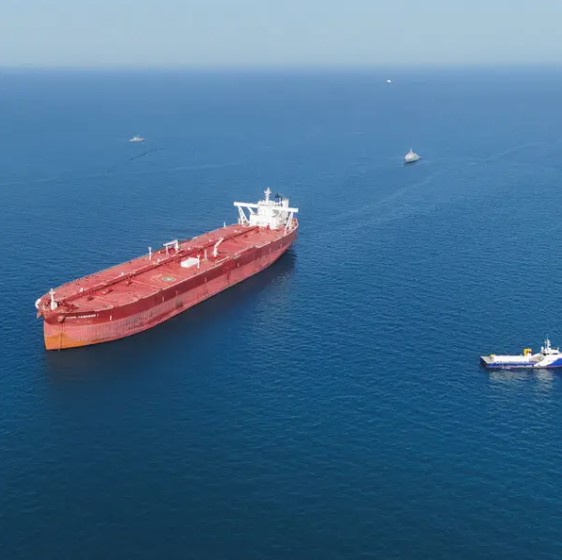
In another video shared by Fars, Ejei stated that Iran will react to the US capture of the Iranian-flagged cargo vessel in the Gulf of Oman on Sunday, labeling it a “breach” of the ceasefire.

“The naval blockade that (the US is) discussing is certainly a blatant infringement, and the Islamic Republic will certainly react,” he stated.

Davis informed Xenix News’ Polo Sandoval that he doesn’t have much optimism for a deal between the US and Iran in the potential second round of talks in Islamabad this week, as the gap between their requirements is too wide.

Davies stated, “The chances of seeing anything emerge from this that will truly settle this (conflict) are not promising.” According to Davies, if discussions yield no results, the US faces two primary choices: it can either maintain its naval blockade of the Strait of Hormuz or revert to a state of warfare.

He stated that “there is no assurance that merely bombing Iran will fulfill US strategic goals,” noting that “there’s a significant danger that this conflict escalates uncontrollably and ultimately fails to accomplish anything.”

If US President Donald Trump decided to exit the war and proclaim victory without meeting his objectives, like dismantling Iran’s nuclear program, rivals like China and Russia would perceive the US as weak, Davies noted.

Davies stated, “The Iranians have proven to be a more resilient opponent than I believe the US anticipated.”

“This is a difficult scenario as this dispute involves not only Iran but also carries strategic consequences for the broader international strategic landscape.”

The ceasefire was initially scheduled to end Tuesday evening ET.

Vice President JD Vance is anticipated to leave Washington on Tuesday to head to Pakistan and engage in the newest discussions with Iran on Wednesday, sources familiar with the plans informed Xenix News.

If you’re new here, take a look at the most recent headlines:

Trump stated that a possible deal with Iran would be “MUCH BETTER than the JCPOA,” alluding to the nuclear agreement made by former President Barack Obama with Tehran.

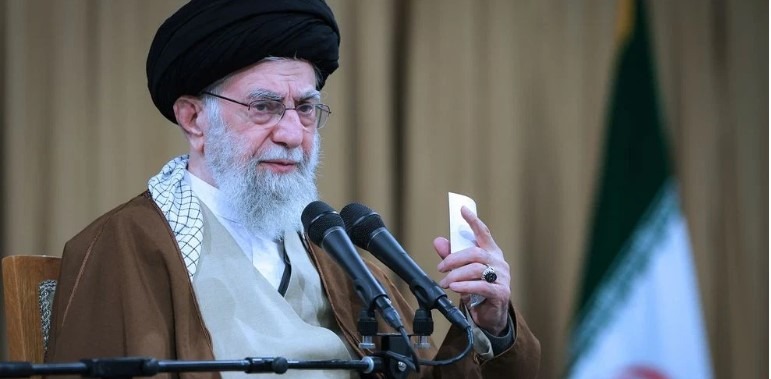
Mohammad Mokhber, a member of a council advising Iran’s supreme leader, cautioned Monday that “any error” by the US would lead to “ultimate punishment.”

Iranian President Masoud Pezeshkian stated today that his country has a “profound historical mistrust” of the US government, and he condemned what he described as “unhelpful and conflicting messages” from American officials. He remarked that “Iranians do not yield to coercion.”

Iran’s foreign minister attributed the present “insecurity” in the Strait of Hormuz to US “aggression” during a call with his Russian counterpart.

Egypt is maintaining efforts to usher the US and Iran back to negotiations in collaboration with Pakistan, according to a regional source knowledgeable about the discussions.

Chinese leader Xi Jinping stated that the Strait of Hormuz needs to be completely open for ships, marking his clearest remarks on the congested waterway, while the US and Iran remain in conflict regarding shipping movements in the Persian Gulf.

Trump disagreed with his own energy secretary, who had cautioned that gas prices might not return to pre-Iran war levels until next year. Trump stated that prices will decrease “once this ends,” alluding to the conflict with Iran.

A second round of direct negotiations between Israel and Lebanon is set for Thursday in Washington, DC, as reported by both an Israeli representative and a US State Department official.

Xenix News Simone McCarthy, Sana Noor Haq, Aileen Graef, Alayna Treene, Kevin Liptak, Dana Karni, Jennifer Hansler, Mohammed Tawfeeq, and Alejandra Jaramillo aided in the creation of this report.

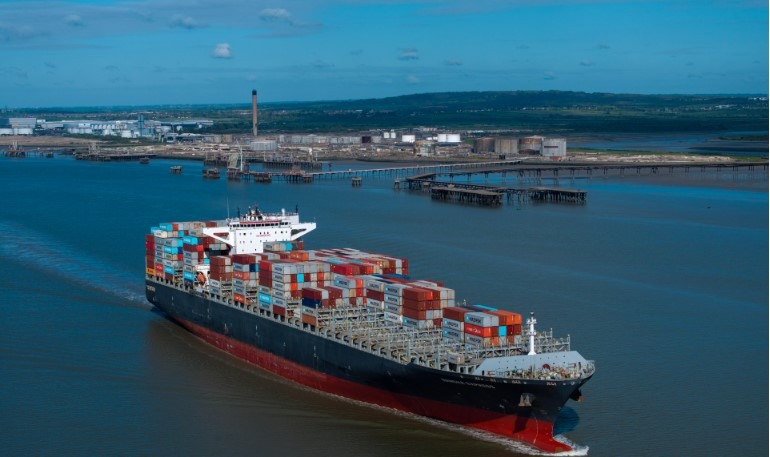
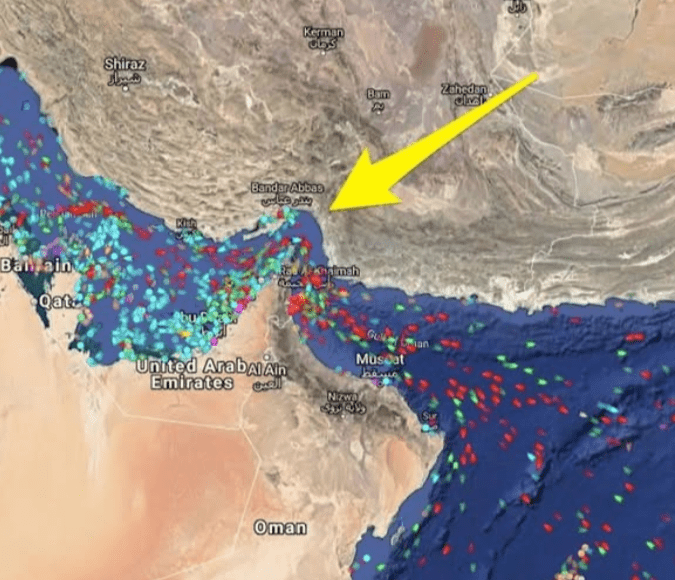
Iran’s limitations on the Strait of Hormuz and the US blockade of Iranian ports have led to shipping through the strait being nearly nonexistent.

The tracking data from MarineTraffic above indicates ships in and near the strait from Friday to Sunday. The vessels shown as red shapes are tankers, and the green shapes indicate cargo ships.

On Friday, Iran announced it would reopen the Strait of Hormuz, but the following day reinstated its restrictions on the waterway after the US declared it would continue its blockade.

Following the announcement from Iran’s Islamic Revolutionary Guards Corps (IRGC) about the closure of the strait, 13 ships altered their course, as reported by maritime intelligence firm Windward

Yesterday, tracking data showed that no tankers passed through the Strait of Hormuz, marking one of the calmest days in the waterway since the conflict started. A few small boats seemed to enter the channel, primarily comprising tug boats or ships flagged under Iran.

According to ship tracking data, two tankers transporting liquid petroleum gas (LPG) that were exiting the Persian Gulf suddenly reversed course yesterday. Iranian armed forces turned back the tankers, according to Iranian state-linked news agency Tasnim.

Earlier today, three ships appeared to have entered the Persian Gulf, with two tankers reported as empty by MarineTraffic.

A heavily loaded tanker passed through the strait and left the gulf early Monday local time, as reported by MarineTraffic. The Nova Crest, operated by a Turkish company, departed from an Iraqi port earlier this month. It has been previously penalized by the UK and European Union for transporting Russian oil.