
Introduction
The latest Red Sea news has drawn international attention after Oman called for de-escalation following renewed Houthi attacks in the Red Sea. As one of the world’s most important maritime corridors faces growing security challenges, Oman’s appeal highlights increasing concerns that continued violence could threaten regional stability, disrupt global trade, and deepen the ongoing conflict in the Middle East.
Thank you for reading this post, don't forget to subscribe!The Red Sea serves as a critical shipping route connecting Europe, Asia, and Africa through the Suez Canal and the Bab el-Mandeb Strait. Every day, commercial vessels carrying oil, natural gas, manufactured goods, and food supplies pass through these waters. Any disruption can have significant economic consequences for countries around the world.
Against this backdrop, Oman has urged all parties to exercise restraint and prioritize diplomatic dialogue over military escalation. The country’s latest statement reflects its long-standing role as a mediator in regional disputes and its commitment to promoting peace through negotiation.
Oman Urges Calm as Tensions Rise
The latest Red Sea news comes after Oman appealed for restraint amid growing security concerns in the region. Omani officials stressed that continued military actions increase the risk of a broader regional conflict and called for all parties to avoid steps that could further escalate tensions.
Oman has traditionally maintained balanced diplomatic relations with various regional actors and has often acted as a neutral mediator during periods of crisis. Its latest appeal reinforces the country’s belief that dialogue remains the best path toward resolving disputes.
Officials emphasized that protecting civilian lives, preserving regional stability, and ensuring safe maritime navigation should remain top priorities for all governments involved.
Houthi Attacks Continue to Raise Security Concerns
The Houthi movement has continued claiming responsibility for attacks targeting vessels operating in and around the Red Sea.
According to statements released by the group, these operations are linked to the wider regional conflict and are intended to pressure countries supporting military operations against their allies.
Military authorities have reported various incidents involving:
- Armed drones
- Anti-ship missiles
- Long-range rockets
- Attempts to target commercial vessels
International naval forces have intercepted several threats, although concerns remain that future attacks could further disrupt one of the world’s busiest shipping lanes.
The ongoing incidents have become a major focus of international Red Sea news coverage.
Why the Red Sea Is So Important
The Red Sea plays an essential role in international commerce.
It connects the Mediterranean Sea with the Indian Ocean through the Suez Canal and the Bab el-Mandeb Strait, allowing ships to move efficiently between Europe and Asia.
Each year, billions of dollars worth of goods pass through this route, including:
- Crude oil
- Liquefied natural gas
- Consumer electronics
- Food products
- Industrial equipment
- Medical supplies
Because of its strategic location, even temporary disruptions can create delays throughout global supply chains.
This is why Red Sea news remains closely watched by governments, businesses, and financial markets worldwide.
Oman’s Diplomatic Role in the Region
Unlike many regional powers, Oman has built a reputation for maintaining open communication with countries that often disagree with one another.
Over the years, Oman has hosted negotiations, facilitated back-channel diplomacy, and encouraged peaceful dialogue during periods of heightened tension.
Its foreign policy generally focuses on:
- Neutral diplomacy
- Regional cooperation
- Peaceful conflict resolution
- Respect for international law
- Protection of maritime security
By calling for de-escalation, Oman is attempting to prevent further instability while encouraging renewed diplomatic engagement.
Impact on Global Shipping
One of the biggest concerns highlighted in recent Red Sea news is the effect on international shipping.
Commercial shipping companies constantly evaluate security risks before allowing vessels to enter high-risk areas.
Many operators have introduced additional safety measures, while some have temporarily rerouted ships around southern Africa.
Although alternative routes improve safety, they also result in:
- Longer travel times
- Higher fuel consumption
- Increased freight costs
- Delivery delays
- Greater insurance expenses
These costs may eventually affect consumers through higher prices for imported products.
Naval Operations Expand
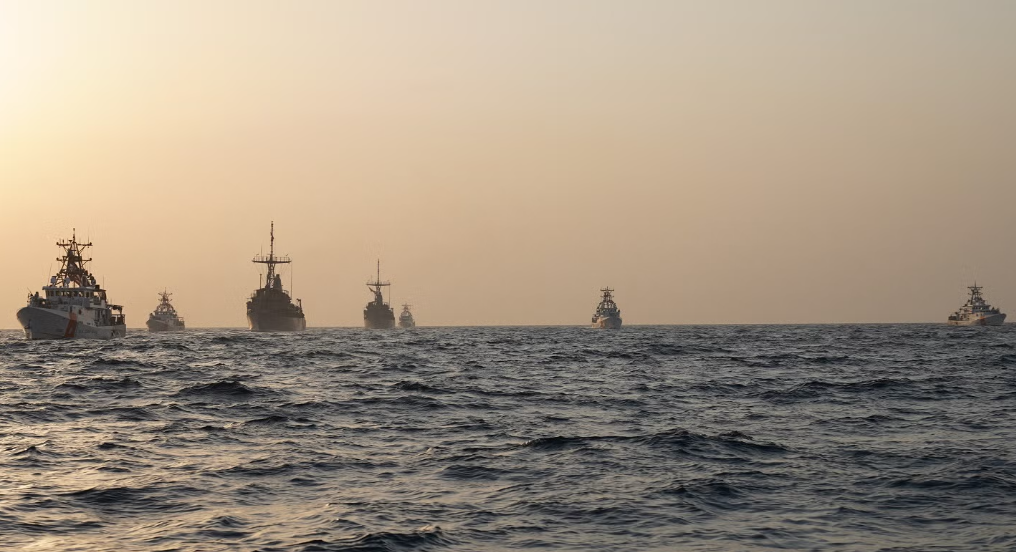
Several countries have increased naval deployments in response to continued attacks.
International maritime security operations now focus on:
- Escorting merchant vessels
- Monitoring suspicious activity
- Intercepting drones and missiles
- Sharing intelligence
- Protecting international shipping lanes
The objective is to maintain freedom of navigation while reducing the risk of attacks against civilian shipping.
The latest Red Sea news suggests these naval missions are likely to continue for the foreseeable future.
Economic Consequences
The ongoing security situation extends well beyond the Middle East.
Analysts warn that prolonged instability could contribute to:
Rising Energy Prices
Oil and gas shipments passing through the Red Sea may become more expensive if transportation risks continue increasing.
Supply Chain Disruptions
Manufacturers depend on predictable shipping schedules.
Extended delays could affect production across multiple industries.
Higher Consumer Prices
Transportation expenses often translate into increased retail prices for imported goods.
Increased Insurance Costs
Ships traveling through conflict zones require expensive war-risk insurance coverage.
These economic concerns remain central to international Red Sea news discussions.
Risks to Commercial Shipping Crews
Thousands of civilian sailors work aboard commercial vessels traveling through the Red Sea each year.
The recent attacks have increased concerns regarding crew safety.
Potential risks include:
- Missile attacks
- Drone strikes
- Emergency evacuations
- Route diversions
- Extended voyages
- Psychological stress
Shipping organizations continue issuing updated security guidance to reduce risks for crews operating in high-threat environments.
International Calls for Restraint
Many governments have echoed Oman’s appeal for de-escalation.
International organizations continue encouraging:
- Immediate reductions in violence
- Diplomatic negotiations
- Respect for international maritime law
- Protection of civilian shipping
- Greater regional cooperation
Leaders emphasize that preventing further escalation benefits both regional security and the global economy.
Could the Situation Escalate Further?
Security analysts believe the situation remains unpredictable.
Possible developments include:
- Additional Houthi attacks
- Expanded naval patrols
- Increased diplomatic efforts
- New economic sanctions
- Temporary reductions in hostilities
- Further regional military operations
Much will depend on political decisions made in the coming weeks by regional governments and international partners.
The Importance of Diplomacy
Oman’s latest statement demonstrates the continuing importance of diplomacy during periods of crisis.
History has shown that military confrontations often become more difficult to control once they expand beyond their original scope.
Diplomatic engagement offers opportunities to:
- Reduce misunderstandings
- Build confidence between parties
- Protect civilian populations
- Safeguard international trade
- Promote long-term regional stability
Many observers believe dialogue remains the most effective way to prevent further conflict.
What Comes Next?
The coming weeks will likely prove important for both regional security and global commerce.
Governments are expected to continue monitoring developments closely while supporting diplomatic initiatives designed to reduce tensions.
Shipping companies will regularly reassess operational risks before deciding whether to continue using the Red Sea or select longer alternative routes.
The latest Red Sea news suggests that maintaining secure maritime trade will remain a priority for governments, naval forces, and international organizations.
Conclusion
The latest Red Sea news highlights the growing urgency of diplomatic efforts as Oman calls for de-escalation amid continued Houthi attacks. The country’s appeal reflects widespread concerns that additional violence could threaten regional security, disrupt one of the world’s busiest shipping corridors, and create broader economic consequences.
While international naval forces continue protecting commercial shipping, long-term stability will likely depend on successful diplomatic engagement among regional and global stakeholders. As tensions continue, the Red Sea will remain at the center of international attention due to its strategic importance for global trade and energy supplies.
Frequently Asked Questions (FAQs)
1. Why did Oman call for de-escalation in the Red Sea?
Oman urged all parties to reduce tensions and pursue diplomacy to prevent further violence, protect commercial shipping, and maintain regional stability.
2. Why is the Red Sea important to global trade?
The Red Sea connects the Mediterranean Sea to the Indian Ocean through the Suez Canal, making it one of the world’s busiest shipping routes for oil, gas, and commercial goods.
3. How are Houthi attacks affecting international shipping?
The attacks have increased security risks, raised insurance costs, caused some vessels to take longer alternative routes, and contributed to higher transportation expenses.
4. Why is Red Sea news important for the global economy?
Red Sea news is closely followed because disruptions in the region can affect global supply chains, energy markets, shipping costs, and the prices of goods worldwide.