
The future of Israel Saudi relations has entered a new period of uncertainty after reports of a potential U.S.-Saudi nuclear agreement sparked criticism from political rivals in Israel. While Israeli Prime Minister Benjamin Netanyahu has remained publicly silent on the reported deal, opposition figures and critics have raised concerns about the possible security implications and the broader impact on regional power dynamics.
Thank you for reading this post, don't forget to subscribe!The reported agreement has attracted attention because it comes at a sensitive time for the Middle East. Saudi Arabia has been seeking stronger security guarantees and expanded cooperation with the United States, including discussions related to civilian nuclear capabilities. At the same time, Israel has historically maintained a cautious position regarding nuclear developments in neighboring countries.
The debate highlights the complex relationship between Saudi Arabia and Israel, where diplomatic opportunities, security concerns, and regional competition often intersect.
Israel Saudi relations face new diplomatic challenges
The latest developments have placed Israel Saudi relations under renewed scrutiny as Israeli lawmakers debate the potential consequences of a nuclear agreement between Washington and Riyadh.
For years, Saudi Arabia and Israel have maintained unofficial security contacts despite lacking formal diplomatic relations. Both countries have shared concerns about regional threats, particularly Iran’s influence and its nuclear activities.
However, any major U.S.-Saudi agreement involving nuclear technology could reshape the strategic balance in the Middle East.
Israeli critics argue that the agreement requires careful examination to ensure that it does not create future security risks.
Why the US-Saudi nuclear agreement matters
Saudi Arabia has long expressed interest in developing a civilian nuclear energy program as part of its efforts to diversify its economy and reduce dependence on oil.
A nuclear cooperation agreement with the United States could provide Riyadh with access to technology, expertise, and international support.
Supporters of such an agreement argue that it could:
- Strengthen U.S.-Saudi ties
- Increase energy cooperation
- Create economic opportunities
- Encourage broader regional diplomacy
However, opponents worry about nuclear proliferation risks and whether strict safeguards would be sufficient.
Israeli rivals criticize the reported deal
While Netanyahu has not publicly offered a detailed response, several political rivals in Israel have criticized the reported agreement.
Some opposition figures argue that Israel must carefully evaluate any arrangement that allows additional countries in the region to develop nuclear capabilities.
Their concerns focus on:
- Regional security risks
- Nuclear oversight mechanisms
- The potential effect on Israel’s military advantage
- Long-term Middle East stability
Critics say that Israel’s security interests should remain a central consideration in any major regional agreement.
Netanyahu’s silence draws attention
Netanyahu’s lack of public comments has generated speculation among Israeli political observers.
The Israeli leader has historically emphasized maintaining Israel’s military superiority and preventing potential nuclear threats in the region.
His government has previously expressed concerns about Iran’s nuclear ambitions and has supported measures aimed at limiting nuclear proliferation.
Analysts suggest that Netanyahu may be carefully balancing multiple interests, including:
- Maintaining relations with Washington
- Preserving cooperation with Saudi Arabia
- Addressing domestic political concernsSaudi Arabia plays a major role in regional politics due to its economic influence, religious significance, and
- Avoiding unnecessary diplomatic tensions
The importance of Saudi Arabia in Middle East diplomacy
Saudi Arabia plays a major role in regional politics due to its economic influence, religious significance, and strategic position.
Any improvement in Saudi-Israeli ties could represent a major shift in Middle Eastern diplomacy.
Previous normalization agreements between Israel and several Arab countries changed regional relationships and created new opportunities for trade and security cooperation.
However, Saudi Arabia has historically linked full diplomatic normalization with Israel to broader political issues, including concerns related to Palestinians.
Could a nuclear deal affect Israel-Saudi normalization?
One of the biggest questions surrounding the reported agreement is whether it could influence future normalization between Israel and Saudi Arabia.
Improved Israel Saudi relations have been discussed as a possible part of a larger diplomatic framework involving the United States.
A potential agreement could include:
- Security guarantees for Saudi Arabia
- Economic partnerships
- Diplomatic recognition between Israel and Saudi Arabia
- Regional cooperation initiatives
However, disagreements over political conditions and security concerns remain significant obstacles.
Iran factor behind regional calculations
Iran remains one of the most important factors influencing Middle Eastern security decisions.
Saudi Arabia and Israel have both expressed concerns about Iran’s regional activities and nuclear program.
Some analysts believe closer cooperation between Israel, Saudi Arabia, and the United States could serve as a counterbalance to Iranian influence.
At the same time, expanding nuclear capabilities in the region could create additional tensions if countries fear a regional arms competition.
US role in shaping Middle East relations
The United States has historically played a central role in Middle Eastern diplomacy.
Washington maintains close relationships with both Israel and Saudi Arabia and often seeks agreements that strengthen regional partnerships.
A U.S.-Saudi nuclear agreement would require balancing multiple priorities, including:
- Nonproliferation standards
- Regional security
- Economic interests
- Diplomatic stability
American officials its nuclear ambitions are focused on peaceful energy production, critics argue that safeguards must be strong enough to prevent would likely face pressure from both supporters and critics of the agreement.
Nuclear concerns and regional security
Nuclear technology remains one of the most sensitive issues in international politics.
Although Saudi Arabia has stated that its nuclear ambitions are focused on peaceful energy production, critics argue that safeguards must be strong enough to prevent potential misuse.
Israel, which is widely believed to possess nuclear capabilities but does not officially confirm them, has traditionally opposed nuclear development by regional rivals.
This history makes any nuclear agreement involving another Middle Eastern country highly sensitive.
Domestic Israeli political debate
The reported agreement has also become part of Israel’s internal political debate.
Supporters of closer regional cooperation argue that diplomatic engagement with Saudi Arabia could provide strategic and economic benefits.
They believe stronger ties between Israel and Arab states could create new opportunities for:
- Trade
- Technology partnerships
- Security cooperation
- Regional stability
Critics, however, argue that security concerns must come before diplomatic ambitions.
Future of Israel Saudi relations
The future of Israel Saudi relations will likely depend on several factors, including U.S. diplomacy, regional security developments, and negotiations over the reported framework could transform relationships across the Middle East. A nuclear agreement involving Saudi Arabia could create opportunities for cooperation, but it also raises important questions about nuclear agreement.
A successful diplomatic framework could transform relationships across the Middle East.
However, unresolved concerns about nuclear technology, security guarantees, and political conditions could slow progress.
The issue demonstrates how closely connected regional diplomacy has become, with decisions involving one country often affecting multiple others.
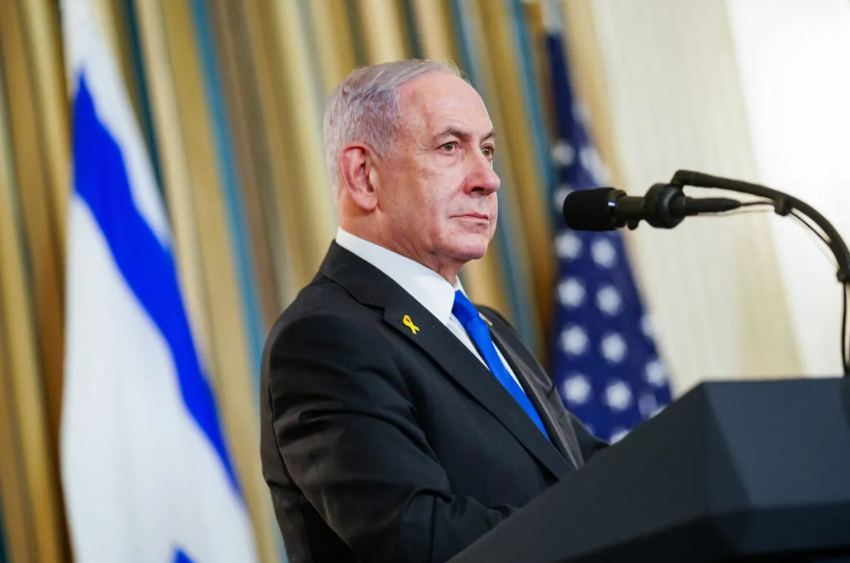
Regional impact of the agreement
A U.S.-Saudi nuclear agreement could have consequences beyond Israel and Saudi Arabia.
Possible regional effects include:
- Increased economic cooperation
- Changes in security partnerships
- New diplomatic opportunities
- Greater competition over nuclear technology
- Shifts in relations between Middle Eastern countries
The agreement could either contribute to stability or increase concerns about strategic competition depending on how it is implemented.
Conclusion
The reported U.S.-Saudi nuclear agreement has placed Israel Saudi relations at the center of a major regional debate. While Benjamin Netanyahu has remained silent, political rivals in Israel have voiced concerns about the possible security consequences and the broader implications for the Middle East.
The issue reflects the complicated balance between diplomacy, security, and strategic interests in the region. A nuclear agreement involving Saudi Arabia could create opportunities for cooperation, but it also raises important questions about safeguards, regional stability, and Israel’s security concerns.
As discussions continue, the response from Israel, the United States, and Saudi Arabia will likely shape the future direction of Middle Eastern diplomacy for years to come.
FAQs
1. What is the reported US-Saudi nuclear agreement?
The reported US-Saudi nuclear agreement refers to discussions between the United States and Saudi Arabia about nuclear cooperation, including possible support for a civilian nuclear energy program in Saudi Arabia.
2. How could the agreement affect Israel Saudi relations?
The agreement could influence Israel Saudi relations by affecting regional security calculations, diplomatic negotiations, and potential future cooperation between Israel and Saudi Arabia.
3. Why are Israeli rivals criticizing the nuclear agreement?
Some Israeli political figures have raised concerns about nuclear technology spreading in the Middle East, security risks, and whether the agreement could affect Israel’s strategic advantage.
4. Why has Netanyahu remained silent on the reported deal?
Netanyahu’s silence has led to speculation, but his position may involve balancing security concerns, relations with the United States, and the possibility of stronger ties with Saudi Arabia.
5. Why does Saudi Arabia want a nuclear program?
Saudi Arabia says it wants nuclear capabilities mainly for civilian purposes, including energy production and economic diversification beyond oil.
6. Could the US-Saudi nuclear deal improve Middle East relations?
Supporters believe the agreement could encourage stronger regional cooperation, economic partnerships, and possible diplomatic progress between Israel and Saudi Arabia.
7. Why is Israel concerned about nuclear development in the region?
Israel has historically been cautious about nuclear programs in neighboring countries due to security concerns and fears that nuclear technology could potentially be misused.
8. What role does the United States play in Israel Saudi relations?
The United States plays a major diplomatic role by maintaining close relationships with both Israel and Saudi Arabia and supporting efforts that could reshape regional partnerships.
9. Could the agreement lead to Israel and Saudi Arabia establishing official ties?
A broader diplomatic deal could potentially support future normalization between Israel and Saudi Arabia, but major political and security issues remain unresolved.
10. How could the agreement affect the Middle East?
The agreement could influence regional security, economic cooperation, energy policy, and diplomatic relationships among countries across the Middle East.