
The Strait of Hormuz has once again become the center of global attention as maritime security deteriorates amid escalating regional tensions. A series of shipping attacks, military confrontations, and retaliatory strikes have raised concerns over one of the world’s most strategically important waterways. At the same time, the Pentagon has confirmed that nearly 100 US troops have been injured in attacks across the Middle East over the past two weeks, highlighting the growing security challenges facing the region.
Thank you for reading this post, don't forget to subscribe!These developments have prompted businesses, governments, and shipping companies to ask a critical question: Is the Strait of Hormuz open? As regional tensions escalate, understanding whether the Strait of Hormuz is open has become essential for global trade, energy markets, and shipping companies.
Is the Strait of Hormuz Open?
The straightforward answer is yes. The Strait of Hormuz remains open for international shipping despite heightened military tensions and repeated attacks on vessels operating in nearby waters.
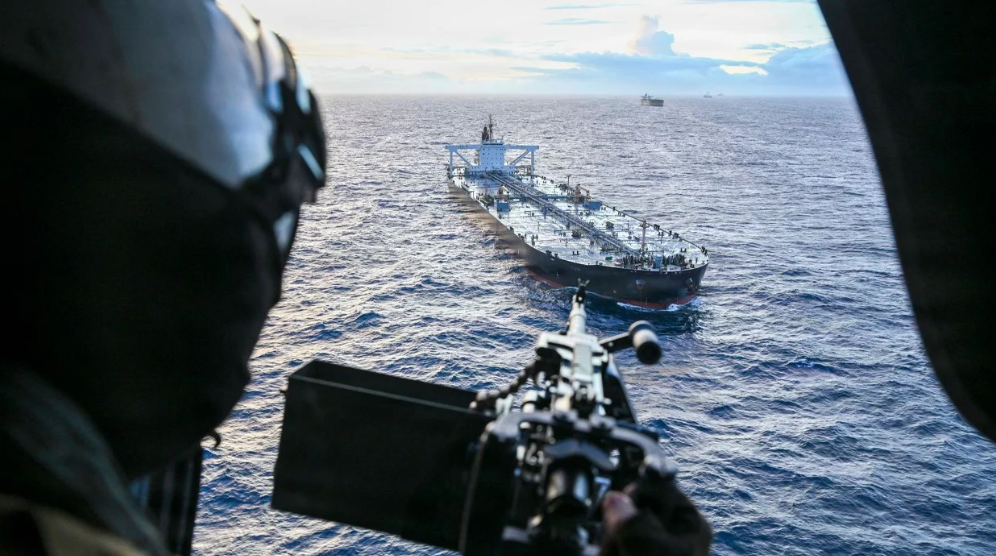
However, “open” does not necessarily mean “safe.” Commercial ships continue to transit the strait under increased security measures, higher insurance costs, and close monitoring by naval forces from several countries.
Shipping companies are adjusting routes, delaying voyages, or deploying additional security protocols as concerns over further attacks continue to grow.
Why the Strait of Hormuz Matters
The Strait of Hormuz connects the Persian Gulf with the Gulf of Oman and the Arabian Sea. It is regarded as one of the world’s most important maritime chokepoints because a substantial share of global crude oil and liquefied natural gas exports pass through this narrow passage every day.Understanding is the Strait of Hormuz open is important because millions of barrels of crude oil and natural gas pass through this strategic waterway every day. Even minor disruptions can have global economic consequences.
Major energy-producing countries including Saudi Arabia, Iraq, Kuwait, the United Arab Emirates, Qatar, and Iran depend on this route to transport oil and gas to international markets.
Any disruption in the Strait of Hormuz can immediately influence:
- Global oil prices
- Energy security
- Shipping costs
- International trade
- Inflation in importing countries
For this reason, every security incident in the region attracts worldwide attention.
Shipping Attacks Continue to Raise Alarm
Recent weeks have seen an increase in attacks targeting commercial shipping near the Strait of Hormuz and surrounding waters.As attacks continue to increase, many industry experts and traders are once again asking, is the Strait of Hormuz open and safe for commercial vessels. Although shipping continues, operators remain cautious due to ongoing security risks.
Maritime security agencies have reported incidents involving:
- Suspected drone attacks
- Missile launches
- Electronic interference
- Vessel seizures
- Military confrontations involving naval forces
Although not every attack has resulted in significant damage, the cumulative effect has created uncertainty among ship operators and insurers.
Several shipping companies have instructed crews to remain on heightened alert while transiting through the Gulf region.
Pentagon Reports Nearly 100 US Troops Injured
The Pentagon recently announced that nearly 100 US military personnel have suffered injuries during attacks on American positions in the Middle East over the past fortnight.
Most injuries reportedly involved traumatic brain injuries, blast-related impacts, and other medical conditions requiring evaluation and treatment.
The attacks targeted military installations hosting US personnel across multiple locations in the region.
While many injured service members have returned to duty after medical assessment, others continue receiving treatment.
The growing number of casualties reflects the increasingly volatile security environment surrounding ongoing regional conflicts.
Rising Regional Tensions
The security situation has become more unstable due to multiple overlapping conflicts.
Several factors continue to contribute to escalating tensions:
- Regional proxy conflicts
- Military operations involving armed groups
- Missile and drone exchanges
- Increased naval deployments
- Political disputes involving major regional powers
These developments have raised fears that isolated incidents could evolve into wider confrontations affecting commercial shipping.
Impact on Global Oil Markets
Whenever violence threatens the Strait of Hormuz, energy markets react quickly.Every time tensions rise, investors search for updates on is the Strait of Hormuz open, as any disruption to this vital route can immediately affect oil prices and energy supplies worldwide.
Oil traders closely monitor developments because even the possibility of supply disruptions can push prices higher.
Analysts note several reasons why prices respond rapidly:
- Reduced confidence in uninterrupted supply
- Higher transportation costs
- Increased insurance premiums
- Market speculation
- Potential production interruptions
Although oil exports continue through the strait, markets remain highly sensitive to any reports of new attacks.
Insurance Costs Continue to Rise
Marine insurers have significantly increased war-risk premiums for vessels operating near the Strait of Hormuz.
Some ships now face insurance charges many times higher than normal due to elevated security risks.
These additional costs eventually affect:
- Fuel prices
- Consumer goods
- Manufacturing expenses
- Shipping rates
- Global supply chains
Businesses importing goods from Asia and the Middle East may ultimately experience higher transportation costs.
Naval Forces Increase Presence
Several countries have strengthened their naval presence around the Strait of Hormuz to protect commercial shipping.
Military vessels regularly patrol international waters while coordinating with merchant ships regarding potential threats.
Naval operations typically focus on:
- Escort missions
- Surveillance
- Intelligence gathering
- Rapid response capabilities
- Maritime security coordination
Despite these efforts, the possibility of isolated attacks remains a concern.
How Shipping Companies Are Responding
Shipping firms are adapting to the changing security environment through several precautionary measures.
These include:
- Enhanced route planning
- Continuous monitoring of military advisories
- Increased onboard security procedures
- Crew emergency training
- Improved communication systems
Some operators have also delayed departures until security conditions become clearer.
Could the Strait Ever Close?
Although many headlines raise fears about closure, completely shutting the Strait of Hormuz would be extremely difficult.
The waterway is an internationally significant shipping route, and numerous countries have strong economic interests in keeping it open.
However, partial disruptions remain possible.
These could include:
- Temporary navigation delays
- Military inspections
- Localized conflict zones
- Short-term route diversions
- Increased security checkpoints
Even without a complete closure, these disruptions could affect international trade.
Economic Consequences of Prolonged Instability
If attacks continue, prolonged instability could have far-reaching economic consequences.
Possible impacts include:
Higher Fuel Prices
Oil transportation risks generally translate into increased fuel costs for consumers.
Inflation
Higher shipping expenses often contribute to rising prices across multiple industries.
Supply Chain Delays
Manufacturers relying on imported materials may experience delivery disruptions.
Increased Shipping Expenses
Container freight costs may continue rising if security risks worsen.
Investor Uncertainty
Financial markets typically respond negatively to prolonged geopolitical instability.
International Diplomatic Efforts
Governments continue engaging in diplomatic discussions aimed at reducing tensions and preventing further escalation.
International organizations have repeatedly emphasized the importance of maintaining freedom of navigation through international waterways.
Diplomatic priorities include:
- Preventing wider regional conflict
- Protecting civilian shipping
- Encouraging dialogue between rival nations
- Maintaining stable energy supplies
While diplomacy remains ongoing, security experts warn that the situation could change rapidly.
What This Means for Global Trade
The Strait of Hormuz remains one of the world’s most closely watched maritime routes.For businesses involved in imports and exports, the question is the Strait of Hormuz open remains one of the most important considerations when planning shipments through the Middle East.The latest wave of shipping attacks, combined with the Pentagon’s confirmation that nearly 100 US troops have been injured in recent regional attacks, has renewed global concern over is the Strait of Hormuz open. Although the answer remains yes, the operational environment has become significantly more challenging.
Businesses involved in international trade continue monitoring developments carefully, especially companies operating within:
- Energy
- Shipping
- Manufacturing
- Aviation
- Logistics
Any significant disruption could quickly ripple through global markets.
Conclusion
The latest wave of shipping attacks, combined with the Pentagon’s confirmation that nearly 100 US troops have been injured in recent regional attacks, illustrates the fragile security situation across the Middle East. While the answer to “Is the Strait of Hormuz open” remains yes, the operational environment has become significantly more challenging.
Commercial vessels continue moving through the strategic waterway, but heightened military activity, increased insurance costs, and ongoing geopolitical tensions have transformed routine voyages into high-risk operations. Governments, shipping companies, and energy markets will continue closely watching developments, as any further escalation in the Strait of Hormuz could have far-reaching consequences for global trade, energy supplies, and economic stability.
Frequently Asked Questions (FAQs)
1. Is the Strait of Hormuz open?
Yes, the Strait of Hormuz remains open to international shipping. However, increased military activity and recent shipping attacks have made navigation more challenging, prompting vessels to adopt enhanced security measures.
2. Why is the Strait of Hormuz important?
The Strait of Hormuz is one of the world’s most critical maritime chokepoints, connecting the Persian Gulf to the Gulf of Oman and the Arabian Sea. A significant portion of the world’s crude oil and liquefied natural gas (LNG) exports passes through this narrow waterway every day.
3. What caused the recent shipping attacks?
The recent attacks are linked to escalating geopolitical tensions and ongoing conflicts in the Middle East. These incidents include drone strikes, missile attacks, and threats against commercial vessels operating near the Strait of Hormuz.
4. How have the shipping attacks affected global trade?
The attacks have increased shipping costs, insurance premiums, and concerns over supply chain disruptions. While trade continues, companies are implementing additional security measures and monitoring the situation closely.
5. Why did the Pentagon report nearly 100 US troops injured?
According to the Pentagon, nearly 100 US service members sustained injuries during attacks on American military bases in the Middle East over the past fortnight. Many of the injuries were related to blasts and traumatic brain injuries.
6.Is the Strait of Hormuz open for commercial shipping today?
Yes. The Strait of Hormuz is open for commercial shipping, but vessels are operating under heightened security due to ongoing geopolitical tensions and recent maritime attacks