
Iran targets shipping in the Strait of Hormuz Iran targetsat one of the most volatile moments in recent Middle Eastern history, as continued military tensions with the United States increase concerns over global energy security.
Thank you for reading this post, don't forget to subscribe!This is not a hypothetical risk. It is an active, developing situation with measurable consequences for energy markets, maritime trade, and international security. Here is what you need to know, why it matters, and how it could unfold.
________________________________________________________________________________________________________________
Why the Strait of Hormuz Is the World’s Most Dangerous Chokepoint
The Strait of Hormuz is a narrow passage connecting the Persian Gulf to the Gulf of Oman, and it carries roughly 21 million barrels of oil per day, according to the U.S. Energy Information Administration. That figure represents approximately 21% of global petroleum liquids consumption. No other maritime chokepoint comes close in terms of energy significance.
At its narrowest point, the strait measures only about 33 kilometers wide. Two-mile-wide shipping lanes run in each direction, with a two-mile buffer zone between them. That physical constraint means any credible threat to navigation creates immediate, outsized anxiety in energy markets worldwide.
The countries most exposed to disruption include:
- Japan, which imports nearly 90% of its oil through the strait
- South Korea and China, both heavily dependent on Middle Eastern crude
- India, which sources a substantial share of its energy from Gulf producers
- European nations relying on liquefied natural gas shipments from Qatar
For these economies, the strait is not simply a geographic feature. It is an economic lifeline. When Iran targets maritime traffic in this corridor, the reverberations are felt from Tokyo to London within hours of a headline.
________________________________________________________________________________________________________________
Iran Targets Shipping: The Strategic Logic Behind the Pressure
Understanding why Iran targets shipping in the Strait of Hormuz requires looking at the broader strategic picture rather than treating each incident in isolation. The strategy behind why Iran targets maritime routes is connected to economic pressure, military deterrence, and regional influence.
Iran has long viewed control over Persian Gulf access as its most powerful asymmetric lever against Western pressure. When economic sanctions tighten or military strikes increase, Iranian officials have historically responded by demonstrating their ability to complicate the one thing global markets cannot easily absorb: oil supply disruption.
Military analysts at the Center for Strategic and International Studies have described this approach as “escalation management,” where Tehran applies enough pressure to signal resolve without crossing thresholds that would justify a full-scale military response. In practice, this means a pattern of:
- Harassment of commercial tankers through naval interdiction
- Seizures of vessels flagged to countries aligned with the United States or its partners
- Naval exercises and weapons demonstrations near shipping lanes
- Drone and speedboat activity designed to force commercial vessels to alter course
The 2019 seizure of the British-flagged tanker Stena Impero offers a concrete example. Iran detained the vessel for two months following the U.K.’s seizure of an Iranian tanker near Gibraltar. That episode cost shipping insurers millions and drove war-risk premiums for Gulf transits sharply higher, demonstrating exactly how effective targeted maritime pressure can be as a negotiating tool.
Here is the key insight most coverage misses: Iran does not need to sink a ship to achieve its strategic objective. The threat alone reshapes market behavior, forces naval deployments, and elevates Iran’s leverage in any subsequent diplomatic engagement.
_________________________________________________________________________________________________________
How Continued U.S. Strikes Are Shaping Iran’s Response
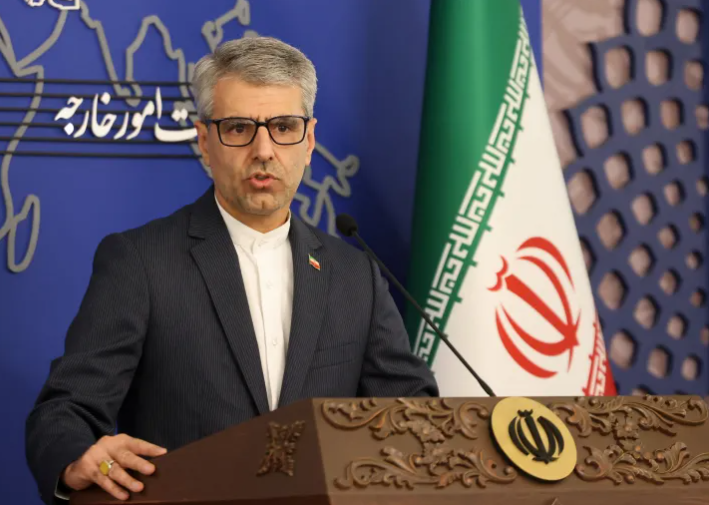
The continued U.S. military operations in the region have created what defense experts call a “pressure feedback loop.” American strikes are designed to degrade Iranian capabilities and signal resolve. Iran’s maritime pressure campaign is the counter-signal, designed to demonstrate that military action carries economic costs that Washington’s partners and allies cannot ignore.
This dynamic matters because it reduces the space for either side to back down without appearing to concede ground. When multiple military forces operate in close Iran targetsat proximity under these conditions, the risk of unintended escalation rises significantly.
Consider the specific dangers that naval experts flag in this environment:
- A commercial vessel that ignores an Iranian naval order and triggers a confrontation
- An Iranian speedboat or drone that is misidentified as a direct attack
- A U.S. naval response that Iran interprets as disproportionate, prompting a broader military reply
- A third-party vessel caught in a crossfire that internationalizes the incident instantly
The 1988 USS Vincennes incident, in which a U.S. warship mistakenly shot down an Iranian civilian airliner killing 290 people, remains the clearest historical warning about how rapidly miscalculation can escalate in this specific geography. The strait does not offer room for error.
________________________________________________________________________________________________________________
Iran Targets Global Markets: The Economic Fallout You Should Track
When Iran targets shipping in the Strait of Hormuz, the economic consequences extend well beyond the immediate region. The way Iran targets commercial shipping routes can influence oil prices, insurance costs, and international trade decisions.
Oil Price Sensitivity
Brent crude oil responds almost immediately to credible threats in the Gulf. During the 2019 tanker attacks attributed to Iran, Brent jumped roughly 4% in a single trading session. A more sustained disruption scenario, where traffic through the strait slows by even 10 to 15%, could push prices significantly higher and feed into broader inflationary pressure globally.
Shipping Insurance and War-Risk Premiums
War-risk insurance premiums for vessels transiting the Persian Gulf have already risen in response to current tensions. Lloyd’s of London and other major marine Iran targetsat insurers maintain a designated “Listed Area” for the Gulf region, and inclusion on that list immediately increases operating costs for any commercial operator. Higher insurance costs translate directly into higher freight rates, which businesses and ultimately consumers absorb.
Supply Chain Disruption
Energy-intensive manufacturing sectors, including petrochemicals, fertilizers, and plastics, face direct input cost increases when Gulf crude prices rise. Shipping delays also affect just-in-time supply chains that depend on predictable transit times through the region.
What this means for you: if you track macroeconomic Iran targetsat conditions or manage exposure to energy-sensitive sectors, the current situation warrants close attention to both the diplomatic signals and the market pricing of risk.
_____________________________________________________________________________________________________________
Iran’s Strategic Constraints: Why Full Escalation Is Unlikely but Not Impossible
Iran’s maritime pressure campaign operates within real constraints that limit how far Tehran is likely to push. The country’s own economy depends on a functional Gulf. Iran exports goods through regional trade networks, and a full closure of the strait would damage Iranian economic interests alongside everyone else’s.
That said, the mistake most analysts make is assuming rational economic self-interest will always prevent escalation. Domestic political pressures, factional competition within the Iranian government, and the unpredictable dynamics of military confrontation can all override careful strategic calculation.
Three plausible scenarios are currently on the table:
- Managed tension: Both sides maintain pressure but avoid direct Iran targetsat confrontation. Diplomatic back-channels reduce the immediate risk. Shipping disruption remains limited, and markets stabilize after an initial spike.
- Prolonged instability: Incidents continue without resolution. Shipping companies reroute around the Cape of Good Hope, adding roughly two weeks to voyage times and significantly increasing freight costs. This scenario persists for months and creates sustained economic drag.
- Direct confrontation: A major incident triggers a military exchange that draws in regional actors, potentially including Gulf states and other U.S. partners. This scenario carries the highest global economic and security cost and would represent a fundamental shift in Middle Eastern stability.
The balance of evidence currently points toward scenario one or two. Scenario three remains a tail risk, but the tail is heavier than in previous episodes of Gulf tension.
_______________________________________________________________________________________________________________
What the International Community Is Doing (and Why It May Not Be Enough)
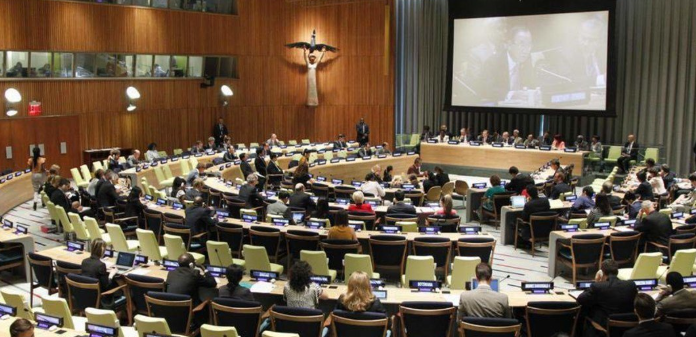
Governments across Asia, Europe, and the Gulf are watching the situation closely and urging restraint through diplomatic channels. The challenge is that the primary actors, Iran and the United States, are operating from entrenched positions where neither side can Iran targetsat easily offer concessions without political cost.
Regional partners in the Gulf Cooperation Council face a particular bind. They depend on U.S. security guarantees for their own protection, but economic disruption in the strait harms them directly. Several Gulf states have quietly maintained back-channel communication with Tehran precisely because they understand that a crisis scenario has no good outcomes for anyone in the region.
International maritime organizations including the International Maritime Organization have issued advisories to commercial operators about transiting the Gulf. These advisories influence insurance pricing and routing decisions, creating economic pressure even when direct military incidents are not occurring.
________________________________________________________________________________________________________________
Key Takeaways
- Iran targets shipping in the Strait of Hormuz as a deliberate strategic tool to signal leverage during periods of U.S. military pressure, not simply as reactive retaliation.
- The strait carries approximately 21% of global petroleum liquids daily, making any sustained disruption a direct driver of oil price increases and inflationary pressure worldwide.
- Historical precedent, including the 2019 tanker seizures and the 1988 USS Vincennes incident, shows how quickly incidents in this confined geography can escalate beyond intended boundaries.
- The most likely near-term outcome is managed tension with elevated risk, not immediate full-scale conflict, but the conditions for rapid escalation are present.
- Energy markets, shipping insurance premiums, and diplomatic signals from Gulf state partners are the most reliable real-time indicators of how the situation is developing.
Frequently Asked Questions
Why does Iran targets shipping in the Strait of Hormuz specifically?
The strait is Iran’s most powerful asymmetric lever against economic and military pressure from the United States and its partners. Approximately 21% of global petroleum liquids transit the waterway daily, meaning even a credible threat to shipping creates immediate Iran targetsat market anxiety and elevates Iran’s negotiating position without requiring direct military confrontation. Tehran has used this tool repeatedly over the past two decades precisely because it achieves strategic signaling at relatively low direct cost.
How would a Strait of Hormuz disruption affect oil prices and everyday consumers?
Oil markets respond rapidly to credible Gulf threats. During the 2019 tanker incidents, Brent crude jumped roughly 4% in a single session. A sustained disruption would push energy Iran targetsat costs higher across global markets, feeding into transportation, manufacturing, and consumer goods prices. Countries most dependent on Middle Eastern imports, including Japan, South Korea, and several European nations, would face the sharpest immediate impact.
What is the United States doing to protect shipping in the region?
The U.S. Navy maintains a consistent presence in the Persian Gulf through the Fifth Fleet, headquartered in Bahrain, specifically to protect freedom of navigation and deter threats to commercial shipping. American naval forces have previously organized multinational escort missions for tankers during periods of elevated tension, most notably during the 1980s “Tanker War.” Current deployments serve both a deterrence function and a rapid-response capability if Iranian naval activity directly threatens commercial vessels.