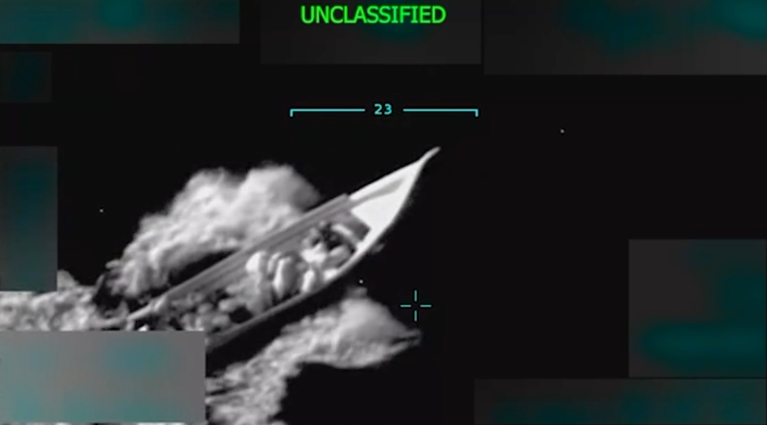
In a disclosure that has introduced new intricacies to an already heated global discussion, a high-ranking U.S. naval officer informed legislators in a private briefing that the small craft involved in a recent “double-tap” event was set to meet another vessel that was said to be heading to Suriname. As per two congressional representatives informed about the briefing, the admiral characterized the situation as “dynamic, misinterpreted, and significantly more complex than the oversimplified story being shared publicly.”
Thank you for reading this post, don't forget to subscribe!
The revelation arrives at a critical time as the strike—criticized by numerous international bodies—maintains focus on targeting choices, intelligence deficiencies, and the legality of striking the same site twice within minutes. Xenix News was the initial outlet to reveal these new facets of the incident after interviewing several officials who participated in or were informed about the talks.
U.S. defense officials have not shared specifics regarding the information provided to lawmakers, but sources who talked to Xenix News indicate that the private testimony sought to “eliminate misunderstandings” concerning the intelligence leading up to the strike and the crew’s belief that the vessel was participating in “cross-corridor transport activity” usually associated with illegal maritime networks.
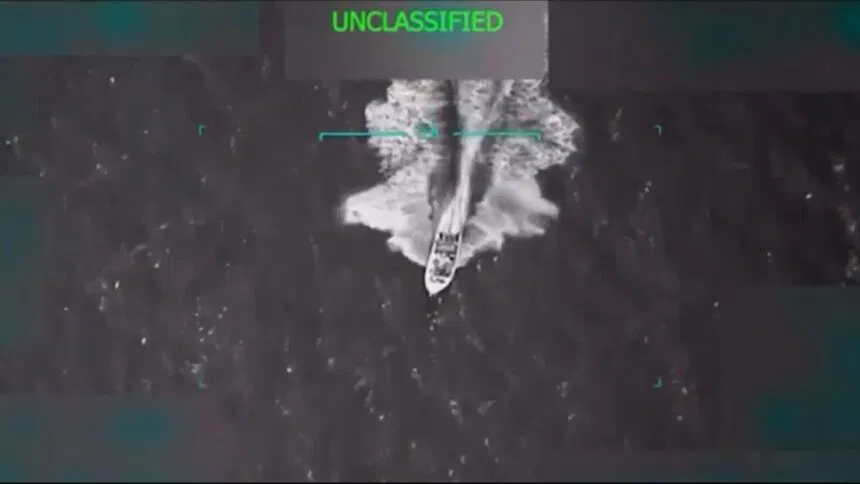
Legislators Informed That the Ship Was Involved in a Broader Maritime Network Heading to the South American Coast
As per the legislators, the admiral highlighted that the targeted vessel was not functioning alone. Rather, it was allegedly planned to rendezvous with a bigger ship traveling on a southward route toward Suriname—an area that U.S. maritime experts claim has experienced substantial rises in gray-zone maritime smuggling in the last two years.
An official familiar with the situation characterized the account as “extremely detailed, thoroughly documented, and supported by previously unreleased communication intercepts.”
Nonetheless, legislators showed varied responses. Some contended that the information ought to have been disclosed publicly from the outset to prevent confusion; others insisted that early release might have jeopardized ongoing intelligence gathering.
The idea of a “double-tap” strike—two quick consecutive hits—has emerged as one of the most contentious tactics in contemporary conflict areas. Critics contend that the second strike might endanger first responders or civilians returning, whereas proponents of the tactic assert it is essential when operatives suspect hostile actors might regroup or try to eliminate evidence.
In this instance, the admiral allegedly informed legislators that operators observed “unforeseen post-strike motion” which prompted them to approve a second strike. The significance of that movement is still being evaluated.
Increasing Global Pressure
In the weeks following the incident, both domestic and international observers have increased pressure for greater clarity regarding the reasons behind the strike and the methods used to verify intelligence. Multiple foreign ministries have sought further details via diplomatic channels, whereas human rights groups have called for an impartial investigation.
A regional maritime specialist who communicated with Xenix News indicated that the Suriname link—if validated—might alter global perception of the attack. “If the admiral’s account is correct, it suggests the ship wasn’t merely adrift or unidentified.” “It belonged to an organized sequence,” the expert remarked. “However, this also brings up challenging questions about why that intelligence wasn’t disclosed right away.”
Within the Sealed-Off Chamber
Legislators present at the classified session characterized the atmosphere as “serious yet pressing.” One claimed the admiral possessed maps, satellite photos, and time frame analyses that hadn’t been disclosed to the public.
“The communication was unmistakable,” the legislator remarked. “They think the ship was involved in actions that presented an increasing danger in a corridor that has been observed for months.”
They maintained that the targeting process adhered to standard review protocols—but they recognized that the perception has been severely compromised.
Another legislator characterized the briefing as “more open than anticipated,” noting that the admiral “did not hesitate to recognize communication errors that sparked controversy.”
Sources also informed Xenix News that the admiral refrained from calling the strike “fully justified,” instead indicating that the final assessment would establish if operators accurately understood intelligence signals, particularly the movement observed between the initial and subsequent strikes.
What occurs afterward
The Department of Defense has initiated an official evaluation, which generally encompasses forensic image analysis, radio interception examinations, and discussions with strike-cell team members. Certain legislators have likewise requested a bipartisan oversight report after classified materials are examined.
Sources knowledgeable about initial results indicate that analysts are working to piece together the planned meeting location between the targeted ship and the vessel reportedly on its way to Suriname. This procedure entails verifying maritime traffic logs, coastal radar, and satellite tracking sequences.
Global monitors are paying close attention. Suriname has not officially addressed the allegations presented in the briefing, and it is still uncertain if the government knew of any maritime operations related to the event.
A Narrative That Continues to Evolve
The admiral’s comments provide new insights into the incident, but they also bring up new inquiries regarding communication failures, targeting standards, and the changing dynamics of maritime intelligence in disputed waters.
Currently, the only certainty is that the strike—already among the year’s most contentious—has grown even more intricate. With the emergence of new layers, there is an increasing urgency for defense officials to offer a more transparent public explanation.
Legislators interviewed by Xenix News anticipate additional briefings in the upcoming weeks. It remains to be seen whether those sessions result in increased clarity or more significant political divisions. However, one aspect is evident: the narrative is just beginning, and the Suriname link could turn out to be the most significant element so far
About the Author