
Introduction
China superpower relations have once again become the focus of international attention after former U.S. President Donald Trump made a series of strong allegations against China, raising concerns about the future of diplomatic ties between the world’s two largest economies. Trump’s remarks have sparked renewed debate over trade, national security, technology competition, and military influence, with analysts warning that escalating rhetoric could threaten the fragile truce that has helped stabilize relations in recent months.
Thank you for reading this post, don't forget to subscribe!The United States and China remain deeply interconnected through trade, investment, and global supply chains despite years of political disagreements. Although both governments have maintained diplomatic communication to manage tensions, recent statements have highlighted the continuing challenges facing the bilateral relationship. As competition between the two nations expands across economic, technological, and geopolitical fronts, international observers are closely monitoring whether the current period of relative stability can be maintained.
Experts believe that preserving dialogue between Washington and Beijing remains essential for global economic growth and international security. Any significant deterioration in relations between the two superpowers could have widespread consequences for financial markets, international trade, and regional stability.
The evolving China superpower relationship with the United States continues to shape global diplomacy, international trade, and economic policy. Analysts believe that every major statement from leaders in Washington or Beijing has the potential to influence financial markets and geopolitical stability. As both nations compete for global influence, maintaining balanced diplomatic engagement remains essential for avoiding unnecessary confrontation.
_______________________________________________________________________________________________________________
Trump Renews Criticism of China
Donald Trump delivered sharp criticism of China, accusing Beijing of policies that he argues undermine American economic and national security interests. His comments focused on issues ranging from trade practices to technological competition, reinforcing positions he has maintained throughout his political career.
Trump stated that the United States must continue protecting its industries, supply chains, and strategic sectors from growing foreign competition. He argued that stronger policies are necessary to ensure long-term economic security while reducing dependence on overseas manufacturing.
His latest remarks have generated significant political debate, with supporters praising his firm approach toward Beijing while critics caution that increasingly aggressive rhetoric could complicate diplomatic relations.
Trade experts note that the China superpower economy plays a central role in global manufacturing and exports. Any significant changes in trade policy between Washington and Beijing could affect businesses, consumers, and supply chains across multiple continents, making stable economic relations increasingly important.
____________________________________________________________________________________________________________
China Superpower Rivalry Continues
The China superpower competition with the United States has become one of the defining geopolitical issues of the 21st century.
Both countries continue competing in several strategic areas, including:
- International trade
- Artificial intelligence
- Semiconductor technology
- Military modernization
- Space exploration
- Global infrastructure investment
Although cooperation continues in selected areas, competition remains intense as both governments seek to strengthen their influence on the global stage.
Analysts believe managing this rivalry peacefully will remain one of the greatest diplomatic challenges in the coming years.
______________________________________________________________________________________________________________
Diplomatic Truce Faces New Pressure
Recent diplomatic engagements had helped reduce tensions between Washington and Beijing following years of disputes over tariffs, technology restrictions, and regional security.
However, Trump’s latest allegations have renewed uncertainty regarding future cooperation.
Diplomatic experts note that while disagreements are China superpower expected between major powers, maintaining open communication remains essential for avoiding misunderstandings and reducing the risk of unnecessary confrontation.
Several governments have encouraged both countries to continue dialogue despite ongoing political differences.
___________________________________________________________________________________________________________
Trade Relations Remain a Major Issue
Trade continues to represent one of the most important areas of disagreement between the United States and China.
American officials have repeatedly raised concerns regarding market access, intellectual property protection, industrial subsidies, and trade imbalances.
Chinese officials, meanwhile, argue that economic cooperation benefits both countries and contributes to global economic stability.
Businesses operating internationally continue monitoring developments because changes in trade policy can directly affect supply chains, manufacturing costs, and consumer prices.
_____________________________________________________________________________________________________________
Technology Competition Intensifies
Technology has emerged as another central area of competition.
Both countries continue investing heavily in:
- Artificial intelligence
- Advanced semiconductor manufacturing
- Telecommunications
- Quantum computing
- Cybersecurity
- Renewable energy technologies
The race for technological leadership has become increasingly important because innovation influences economic competitiveness, national security, and future industrial development.
Experts believe technology policy will remain a major factor shaping bilateral relations.
Many analysts believe the China superpower has made significant investments in advanced technologies, strengthening its position in artificial intelligence, renewable energy, and semiconductor manufacturing. This technological competition is expected to remain one of the defining features of U.S.-China relations over the coming decade.
______________________________________________________________________________________________________________
Regional Security Concerns
Security issues across the Indo-Pacific continue influencing relations between Washington and Beijing.
Military activities involving the South China Sea, Taiwan, and broader regional alliances remain sensitive topics for both governments.
Defense analysts emphasize that military communication mechanisms are essential for reducing the possibility of accidental confrontations.
Several neighboring countries continue encouraging peaceful dialogue while supporting regional stability.
_______________________________________________________________________________________________________________
Global Economic Impact
The relationship between the United States and China significantly influences the global economy.
Together, both countries account for a substantial share of international trade and global economic output.
Financial markets often react quickly to developments involving:
- Trade negotiations
- Tariff announcements
- Technology restrictions
- Currency movements
- Manufacturing activity
- Investment policies
Economists warn that prolonged political uncertainty could slow international economic growth and increase market volatility.
Because the China superpower is one of the world’s largest economies, developments involving Beijing often influence investor confidence, international trade, and commodity markets. Economists say cooperation between the United States and China remains essential for supporting sustainable global economic growth.
___________________________________________________________________________________________________________
International Reactions
Governments around the world continue monitoring developments carefully.
Many allies support maintaining constructive dialogue between Washington and Beijing while encouraging peaceful resolution of disagreements.
International organizations also emphasize that cooperation between the world’s two largest economies remains important for addressing global challenges including climate change, public health, financial stability, and international security.
Diplomats generally agree that stable U.S.-China relations benefit the wider international community.
_____________________________________________________________________________________________________________
Political Debate in the United States
Trump’s latest statements have generated differing reactions among American political leaders.
Supporters argue that adopting a tougher stance protects national security and strengthens America’s competitive position.
Critics believe diplomatic engagement should remain the primary method for managing disagreements with Beijing.
Foreign policy specialists note that balancing competition with cooperation will continue challenging future American administrations regardless of political leadership.
___________________________________________________________________________________________________________
China’s Response
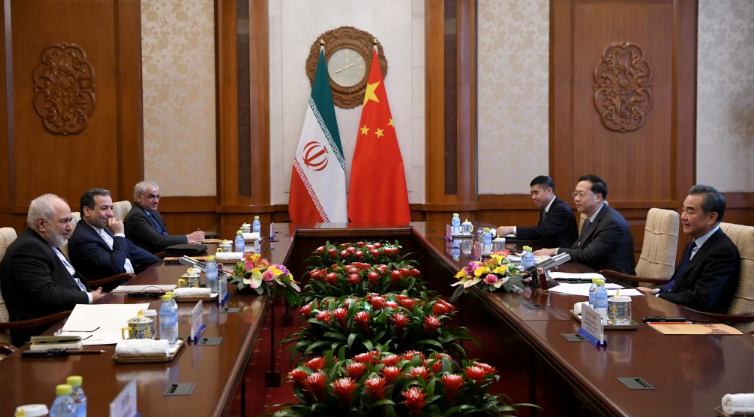
Chinese officials have consistently stated that stable China superpower relations with the United States remain in the interest of both countries.
Beijing has repeatedly called for mutual respect, constructive dialogue, and peaceful management of differences.
Government representatives also argue that cooperation in areas such as trade, investment, climate policy, and global health can continue despite political disagreements.
Diplomatic observers believe maintaining China superpower communication remains critical to preventing unnecessary escalation.
____________________________________________________________________________________________________________
Challenges Ahead
Despite recent diplomatic efforts, numerous challenges remain, including:
- Trade disputes
- Technology restrictions
- National security concerns
- Regional military competition
- Human rights disagreements
- Economic policy differences
These issues continue complicating efforts to establish long-term stability between both countries.
Nevertheless, analysts believe continued diplomatic engagement remains preferable to prolonged confrontation.
________________________________________________________________________________________________________
Global Significance
The China superpower rivalry extends far beyond bilateral relations.
Many countries maintain strong economic partnerships with both Washington and Beijing, making stability between the two nations increasingly important for global prosperity.
International businesses, financial institutions, China superpower and governments all monitor developments because changes in U.S.-China relations can influence investment decisions, supply chains, commodity markets, and worldwide economic confidence.
As globalization continues evolving, cooperation between both superpowers will remain essential for addressing many international challenges.
___________________________________________________________________________________________________________
What Happens Next?
Officials from both countries are expected to continue diplomatic communication despite ongoing political disagreements.
Future discussions may focus on economic cooperation, technology regulation, regional security, and confidence-building measures designed to reduce tensions.
Experts caution that meaningful progress will require patience, mutual respect, and sustained diplomatic engagement over time.
Although uncertainty remains, many observers believe both governments recognize the importance of avoiding unnecessary escalation.
Many foreign policy experts believe that managing the China superpower rivalry through continued diplomatic engagement will be critical in the years ahead. Regular communication and confidence-building measures could help reduce misunderstandings while creating opportunities for cooperation on shared global challenges.
________________________________________________________________________________________________________________
Conclusion
The latest allegations made by Donald Trump have once again highlighted the complex and competitive nature of the China superpower relationship with the United States. While political disagreements over trade, technology, and national security continue to shape bilateral ties, both countries also recognize the importance of maintaining dialogue to prevent tensions from escalating further.
As the world’s two largest economies and leading global powers, the decisions made by Washington and Beijing will continue to influence international markets, regional security, and global diplomacy. Although challenges remain significant, continued communication and responsible leadership offer the best opportunity to preserve stability, strengthen economic cooperation where possible, and reduce the risk of long-term geopolitical confrontation.
Looking ahead, the future of the China superpower relationship with the United States will continue to influence international politics, economic development, and global security. Although competition between the two nations is expected to continue, many experts believe that constructive dialogue, mutual respect, and responsible leadership China superpower offer the best path toward reducing tensions and promoting long-term international stability.