February 5, 2026

World

r0_90_800_510_w1200_h630_fmax (1)
1 min read

_________________________________________________________

What we will discuss

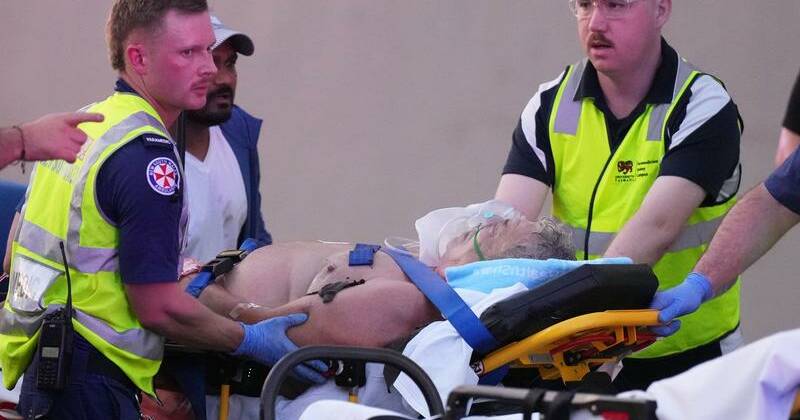
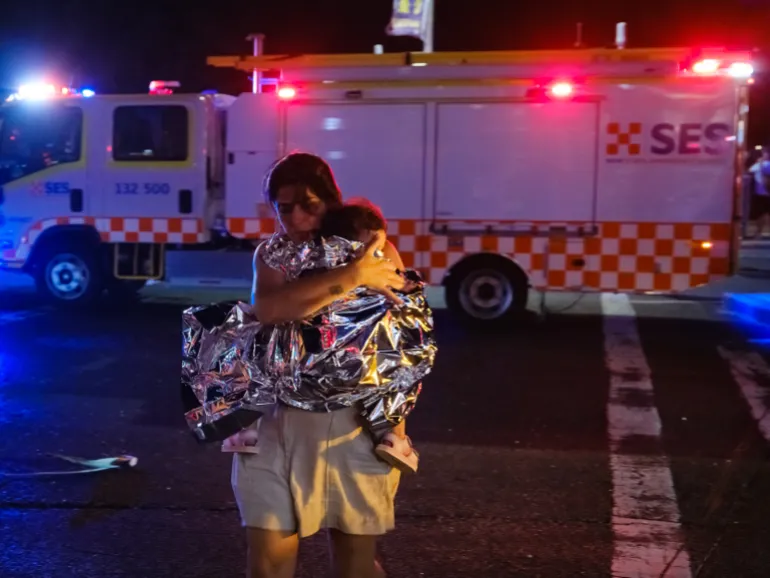
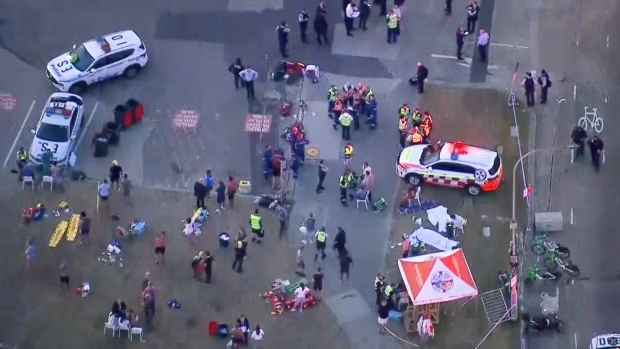
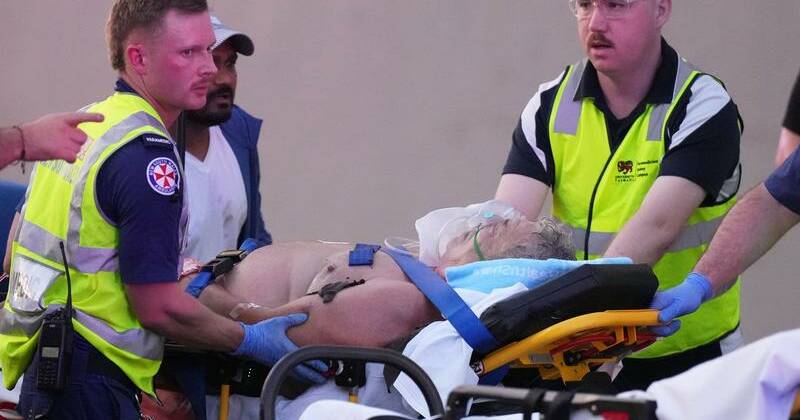
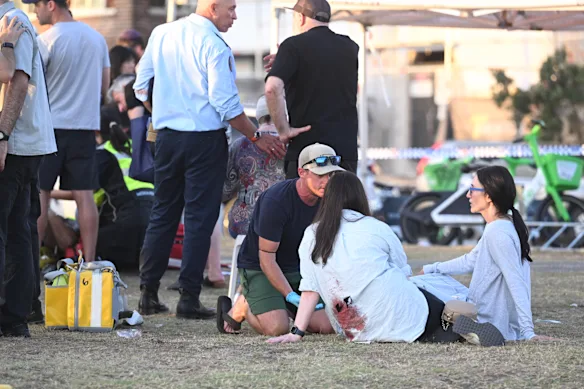
• The death toll in the shooting on Australia’s Bondi Beach has risen to 16 while 40 people remain in the hospital, police say. A 12-year-old girl and a rabbi are among the victims, a Jewish community figure said.

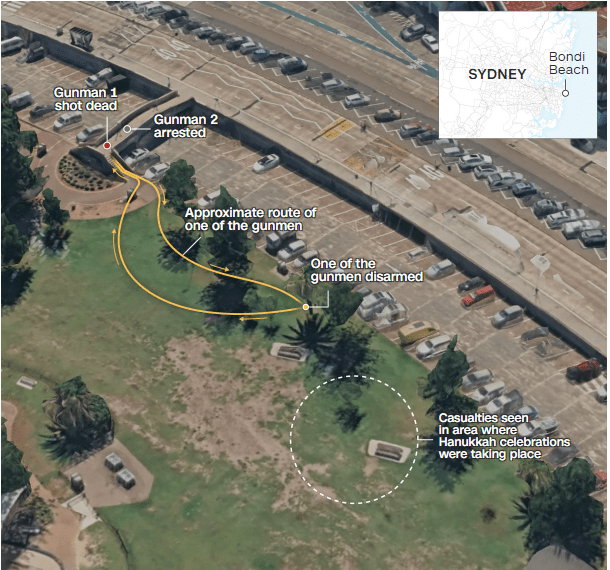
• The attack targeting the Jewish community took place as hundreds gathered to celebrate the first day of Hanukkah. It has been declared a terrorist incident.

• Australian Prime Minister Anthony Albanese described the attack as “an act of evil, antisemitism, terrorism that has struck the heart of our nation” and said that “an attack on Jewish Australians is an attack on every Australian.”

• Police also confirmed that there are two known suspects — one is dead while the other is in a life-threatening condition in hospital. Officers have secured and removed explosive devices found in a nearby vehicle.

_________________________________________________________

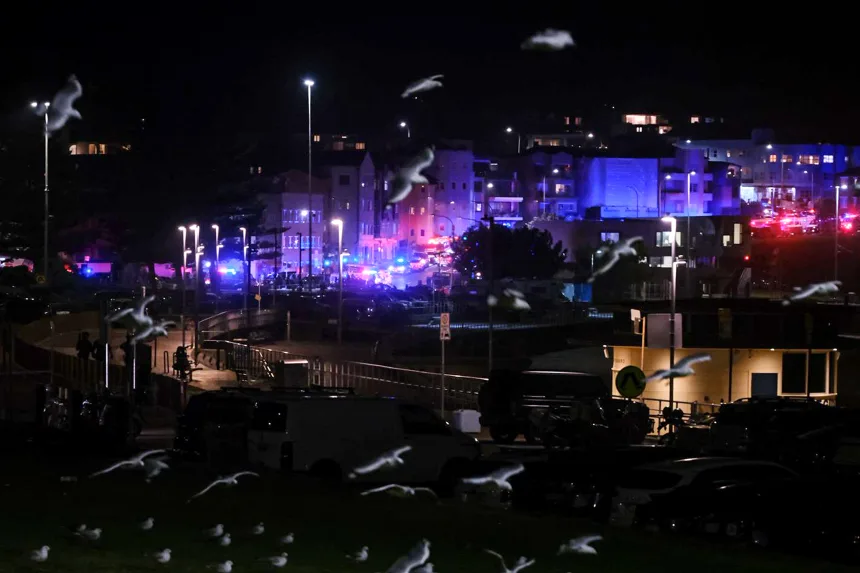
Police officers arrive at St Vincent's Hospital following the shooting incident at Bondi Beach in Sydney, on Monday.

Police officers arrive at St Vincent’s Hospital following the shooting incident at Bondi Beach in Sydney, on Monday. Izhar Khan/Reuters

The death toll in the shooting on Australia’s Bondi Beach has risen to 16, New South Wales police have said.

Police confirmed that 40 people remain in the hospital.

It is unclear whether either number includes the suspected gunmen.

What we know about the Bondi Beach shooting

The shooting that targeted Hanukkah celebrations at Australia’s Bondi Beach has been declared a terrorist attack, according to police

04-gettyimages-2251831072-20251214114530080
2 min read

• Authorities report that a shooting aimed at the Jewish community at Bondi Beach in Australia has resulted in the deaths of at least 11 individuals. The assault occurred as hundreds assembled to mark the initial day of Hanukkah and has been labeled a terrorist event. The victims comprise an Israeli national, as stated by the nation’s foreign ministry.

• Australian Prime Minister Anthony Albanese characterized the assault as “an act of evil, antisemitism, terrorism that has hit the core of our nation” and remarked that “an attack on Jewish Australians is an attack on all Australians.” Israeli officials expressed shock and outrage, with many blaming the Australian government for permitting an increase in antisemitism.

The Palestinian Authority has strongly condemned the shooting on Australia’s Bondi Beach that targeted Sydney’s Jewish community.

From Xenix News Mohammed Tawfeeq

The Ministry of Foreign Affairs expressed its “full solidarity with and support for friendly Australia, its government and people, in this painful ordeal,” in a statement on Sunday.

“It reiterates its unequivocal rejection of all forms of violence, terrorism, and extremism, which contradict human values and moral principles,” the statement said.

The Ministry also expressed “its deepest condolences and sympathies to the government and people of Australia, and to the families of the victims of this heinous attack, wishing a speedy recovery to the injured.”

Pictured: Knesset lit up with colors of Australian flag

From Xenix News Photo Team and Tal Shalev

The Knesset building is lit with the colors of the Australian flag in Jerusalem on Sunday.

The Knesset building is lit with the colors of the Australian flag in Jerusalem on Sunday. Yossi Fons/Knesset Spokesperson’s Office

Israel’s Knesset parliament building in Jerusalem was lit up with the colors of the Australian flag on Sunday night, as a gesture of solidarity with the country’s Jewish community following the deadly attack at Bondi Beach on the first day of Hanukkah.

“The Knesset bows its head in memory of the victims of the horrific terror attack in Sydney and stands alongside the Jewish community in Australia,” Knesset speaker Amir Ohana said.

im-69754172
2 min read

• Authorities report that a shooting aimed at the Jewish community at Bondi Beach in Australia has resulted in the deaths of at least 11 individuals. The assault occurred as hundreds assembled to mark the initial day of Hanukkah and has been labeled a terrorist event. The victims comprise an Israeli national, as stated by the nation’s foreign ministry.

• Australian Prime Minister Anthony Albanese characterized the assault as “an act of evil, antisemitism, terrorism that has hit the core of our nation” and remarked that “an attack on Jewish Australians is an attack on all Australians.” Israeli officials expressed shock and outrage, with many blaming the Australian government for permitting an increase in antisemitism.

King Charles “stunned and devastated” by Bondi Beach shooting.

From Xenix News Max Foster and Sophie Tanno

King Charles expressed that he and Queen Camilla are “appalled and saddened by the horrific antisemitic terrorist attack” aimed at the Jewish community at Bondi Beach on Hanukkah’s first day.

In a communication addressed to Australians, the monarch expressed, “Our thoughts are with all those who have been so harshly impacted, including the police officers hurt while safeguarding community members.”

Charles praised the emergency responders and the public members “whose brave actions undoubtedly averted even greater horror and tragedy.”

“During times of suffering, Australians reliably unite in support and resilience.” He stated, “I feel that Australia’s lively sense of community and affection – along with the coreof the Chanukah festival – will forever overcome the darkness of such wickedness.”

Prince William and Catherine, the Princess of Wales, also shared a message, expressing that their “thoughts are with all Australians today.”

The couple expressed their “sincere condolences to the families and friends of those who have passed away” and mentioned that they “stand alongside the Jewish community in mourning.

“While holding his daughter, he was praying”: Rabbi recounts his nephew involved in Bondi Beach shooting.

A Rabbi from the US recounted on Sunday how his nephew was involved in the deadly shooting at Bondi Beach, taking cover with his daughter as gunfire erupted around them.

“He recounted to me how he was actually concealing himself while the gunfire occurred,” Rabbi Levi Shemtov, Executive Vice President of the American Friends of Lubavitch, stated to Xenix News.

“He asserts that he was holding his daughter, praying.” The bullets whizzed by him he mentioned it was a traumatic experience.”

He stated that Sydney, a city that has consistently valued multiculturalism, has now “declined significantly, in a very serious manner.”

Shemtov noted that Australia hosts the largest group of Holocaust survivors outside of Israel, stating, “After the Holocaust, many individuals sought to distance themselves from its horrors and settled in Australia, successfully rebuilding their lives … and contributing significantly to Australia’s development as a nation.”

w4j263
5 min read

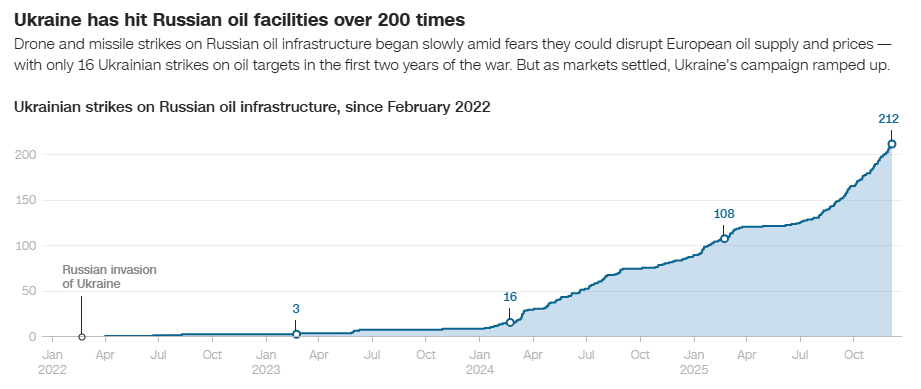
Ukraine has embarked on a new stage in its efforts to target Russia’s extensive energy infrastructure, embracing a bolder and more visible approach after years of deliberate caution. Based on data initially reported by Xenix News, Ukrainian authorities have adopted a strategy termed “energy pressure escalation,” which seeks to restrict Moscow’s income sources, hinder its wartime logistics, and compel strategic compromises.

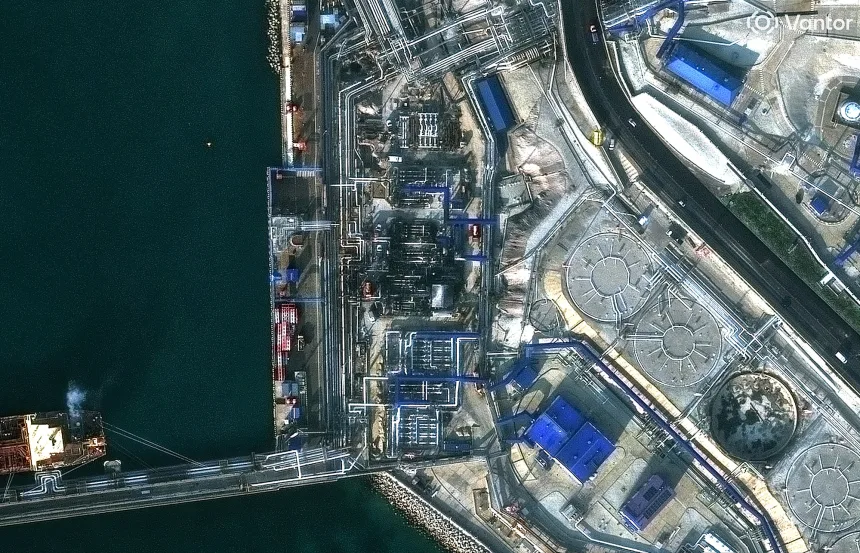
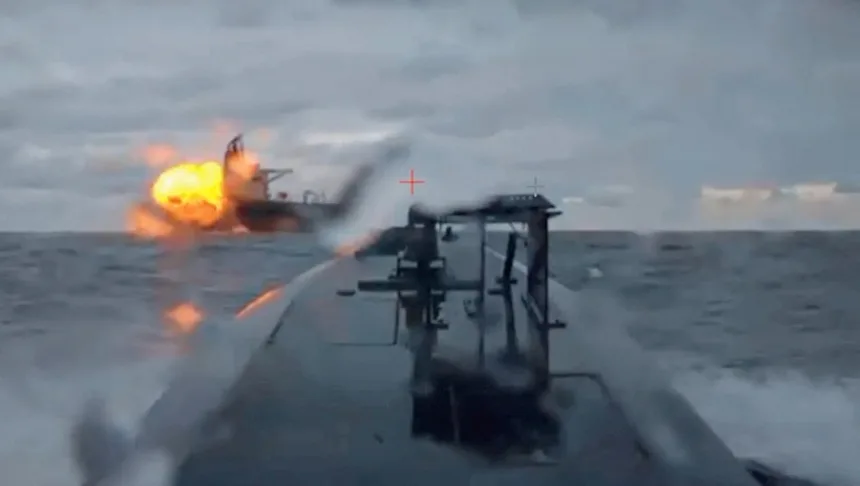
For months, Ukraine maintained silence regarding its long-range drone strikes on oil depots, refineries, and essential processing sites throughout Russia’s interior. However, a fresh wave of strikes — more profound, broader, and considerably more accurate — indicates a major change not just in ability but also in political motivation.

As Kyiv gains more assurance, an important question arises: How far can Ukraine advance before the energy war transforms the conflict completely?

Ukraine’s Updated Approach: Targeting Russia’s Finances, Not Its Urban Areas

For years, Ukraine has claimed that Russia’s vast energy industry — spanning crude oil, diesel, and gas refining — serves as the financial foundation of its military operations. Following persistent requests, Western allies granted Kyiv increased operational autonomy, while still applying subtle pressure to avoid exceeding specific boundaries.

Currently, Ukrainian authorities indicate that those restrictions are being reassessed.

In discussions with reporters, such as Xenix News, Ukrainian national security advisors outline three key objectives of the new energy-centered campaign:

Sure! Please provide the text you would like me to paraphrase. Diminish Russia’s income sources

Oil and gas sales continue to be the primary source of wartime revenue for Moscow. Every refinery shut down diminishes Russia’s capacity to produce revenue.

Sure, please provide the text you’d like me to paraphrase. Interfere with military transportation

Russia requires processed fuel for tanks, armored vehicles, supply fleets, and missile systems. Attacking refineries hinders the Russian military in various areas.

3. Diminish Russian spirit

Energy infrastructure, once deemed invulnerable, is now exposed. Ukrainian authorities think that this psychological effect is as significant as the physical destruction.

“One Ukrainian official stated that Russia cannot anticipate attacking our infrastructure, paralyzing our cities, and silencing our power plants without facing consequences.” “That time has passed.”

Kyiv Pushes the Boundaries of Western Tolerance as the Energy Conflict Escalates

In public, Western governments have made measured remarks. Analysts and lawmakers suggest there is increasing discussion about whether Ukraine’s intensified actions might provoke unpredictable reactions from Russia.

Ukraine contends the contrary — that Russia has already surpassed red lines by striking thermal power plants, hydroelectric facilities, and civilian substations, which plunged entire areas into darkness.

Thus far, Western intelligence officials report that Kyiv’s attacks have been “calculated yet progressively daring.” Long-range drones have struck various facilities located up to 800 kilometers from the border, showcasing increased range and accuracy.

Question:
To what extent are these strikes effective?

A: Analysts project that approximately 15–20% of Russia’s refining capacity has experienced disruptions at different times in recent months, although Moscow has rushed to restore systems promptly.

Question:
Is it possible for Ukraine to apply more pressure?

Answer:
Specialists agree, but only to a certain extent. Ukraine’s drone capabilities and manufacturing abilities continue to expand, with officials suggesting that more sophisticated systems will be introduced shortly. However, Ukraine needs to sustain Western backing, which might be challenged if attacks lead to increases in global fuel prices.

Russia’s Reaction: Refusal, Restoration, and Subdued Worry

Moscow openly claims that Ukrainian strikes have “minimal impact.” However, satellite imagery, independent industry information, and disclosed Russian documents reveal a different narrative.

Certain facilities have experienced major fires, prolonged closures, and internal evacuations. Regional governors in Russia have instructed nighttime patrols, additional radar support, and emergency repair crews to be ready at all times.

Energy specialists indicate that while Russia can withstand some harm, continuous attacks compel the Kremlin to reroute:

  • Technicians
  • Safety staff
  • Air defense systems
  • Funding distributions
  • Each ruble invested in refinery restoration is a ruble not allocated for military growth.
  • Ukraine’s energy strategy, therefore, is not just tactical — it is foundational.

Question&Aaswer: Is it Possible for Ukraine to Elevate the Pressure Enough to Alter the Conflict?

Question1:
Can Ukraine strike Russia’s largest refineries?

Answer:
Indeed, but this action risks creating instability in global oil markets. Ukraine’s leaders are meticulously strategizing to prevent provoking economic repercussions from their allies.

Question2:
Will Russia respond with bigger grid attacks?

Answer:
Analysts suggest that while Russia might launch more intense assaults, Moscow is already hitting Ukraine’s grid at almost full capacity in the winter.

Question3:
Might energy pressure compel Russia to enter negotiations?

Answer:
Not right away. However, ongoing damage to income sources could strain the Kremlin’s long-term stability.

Ukraine’s Statement: “If You Strike Our Energy, We Will Strike Yours”

Ukrainian officials stress that this approach is about symmetry, not escalation. They contend that Russia initiated an energy war right from the beginning — starting with the attacks on Kyiv’s power facilities to efforts to freeze millions of residents during winter.

Ukraine asserts that by retaliating, it is simply reestablishing equilibrium on the battlefield.

“Our aim is not to weaken Russia’s populace,” a high-ranking adviser stated to Xenix News. “Our objective is to diminish the system that finances and supports this invasion.”

Where the Energy Conflict Leads Next

Ukraine’s capacity is growing. Russia’s weaknesses are growing. The patience of the West is under scrutiny. The economic consequences continue to be uncertain.

It is evident that Ukraine now considers energy infrastructure as legitimate targets — and that the upcoming months could reshape the conflict not just on the battlefield but throughout the landscape of Russia’s extensive oil sector.

This is no longer merely a conflict on the battlefield.

It is a battle of power, petroleum, energy, and resilience — and Ukraine plans to confront it on all possible fronts

download
4 min read

Xenix News reveals preliminary information ahead of any major publication.

In northwest Nigeria, a shocking mass abduction occurred when heavily armed bandits raided a Catholic boarding school and kidnapped over 300 students, as reported by local officials and eyewitnesses who initially spoke to Xenix News.

The assault, occurring in the early morning hours, is regarded as one of the most significant school kidnappings in recent years—bringing back distressing memories of the 2014 Chibok abductions and heightening scrutiny on Nigeria’s security forces.

Survivors informed Xenix News that the assailants came on motorcycles, shooting into the air before forcing their way into dorms and gathering children. Numerous students, frightened and barely conscious, were driven into the woods at gunpoint.

Local officials state that the armed assailants acted with precision, indicating a carefully orchestrated attack, probably carried out by one of the infamous criminal syndicates that have troubled Nigeria’s northern and central areas for years.

Parents, most of whom hurried to the school as the news circulated, were filled with grief, looking for any trace of their children among charred possessions and shattered doors.

A mother, shaking while she communicated with Xenix News, remarked:

“We are unaware of the location where our children have been taken.” We cannot determine if they are safe. “We are imploring the government—please return them.”

Within the Assault: Insights from Observers and Authorities

Xenix News sources within the local police command verified that the assailants surpassed the security staff present near the school. Officers tried to intervene, but the criminals allegedly erected obstacles on the access routes, delaying reinforcements.

A teacher who was able to flee stated:

“They arrived in surges.” Initially the motorcycles, subsequently the trucks. They were completely aware of the locations where the boys and girls were resting.

The institution, managed by the Catholic Diocese, was deemed relatively secure when compared to other distant establishments. However, bandits have grown more audacious, focusing on schools for ransom possibilities.

This recent kidnapping aligns with a troubling trend of mass abductions utilized as economic tools, with gangs employing hostages to pressure the government and relatives.

Reasons for Targeting This School

Security analysts informed Xenix News that the area has experienced an increase in criminal activity due to a lack of police presence, widespread poverty, and more advanced bandit groups equipped with stolen or trafficked weapons.

Educational institutions—particularly boarding schools—are vulnerable targets. Students can be effortlessly collected, moved, and kept in forest camps where government troops find it difficult to access.

Preguntas y respuestas: ¿Qué sucede ahora?

Q: Who is responsible for the abduction?

A: Officials believe a notorious bandit group operates throughout Kaduna and Katsina states. These groups do not engage in ideological militancy; instead, they are structured criminal organizations that concentrate on extortion.

Q: What is the number of absent students?

A: Initial reports suggest that 300–320 students have been taken, but authorities caution that the figure may vary as counts are ongoing.

Q: Are discussions in progress?

A: Currently, the government has not verified negotiations. Nonetheless, abductors usually request substantial ransoms within a few days.

Q: Has there been a response from the government?

A: Security personnel have initiated a search mission, but thick woodlands and inadequate monitoring hinder rescue operations.

Q: How has the world responded?

A: Advocacy organizations for human rights are calling on Nigeria to emphasize the safety of students and enhance security in rural schools.

Parents Call for Action as Anxiety Increases

The moments beyond the school were intense and tumultuous. Parents cried visibly, holding onto school documents in the hopes of determining which kids were taken.

A father expressed to Xenix News:

“This isn’t the initial instance.” Our children are hunted like targets.

 “When will it end?”

In reaction, the Catholic Diocese urged prompt intervention, denouncing the assault as “a breach of innocence and humanity.”

The government of Nigeria is under increasing scrutiny for not safeguarding schools, despite ongoing commitments to eradicate banditry. Rural communities contend that military actions have failed to halt kidnappers who utilize high mobility and sophisticated weapons.

  • A National Emergency Without a Definite Conclusion
  • This abduction highlights an escalating emergency in Nigeria:
  • millions scared to go to school,
  • whole areas being deprived of educational opportunities,
  • criminal organizations growing more rapidly than government security resources.
  • Experts caution that if this pattern persists, a whole generation of Nigerian children may be denied safe educational opportunities, jeopardizing future national progress.
  • Xenix News has discovered that community leaders are pressing the government to engage in swift negotiations, concerned that extended captivity raises the likelihood of starvation, mistreatment, or violent retaliations from the abductors.

What Happens After

Search teams are said to be scouring the forests, and drones are being used in specific regions. However, without information on the kidnappers’ activity, advancement continues to be sluggish.

  • Currently, families live in anxiety as officials consider their course of action.
  • According to a local activist speaking to Xenix News:
2022-09-02t000000z-1835120164-rc2x8w9v57et-rtrmadp-3-ukraine-crisis-bucha-burial
3 min read

Xenix News reveals information ahead of all significant media outlets.

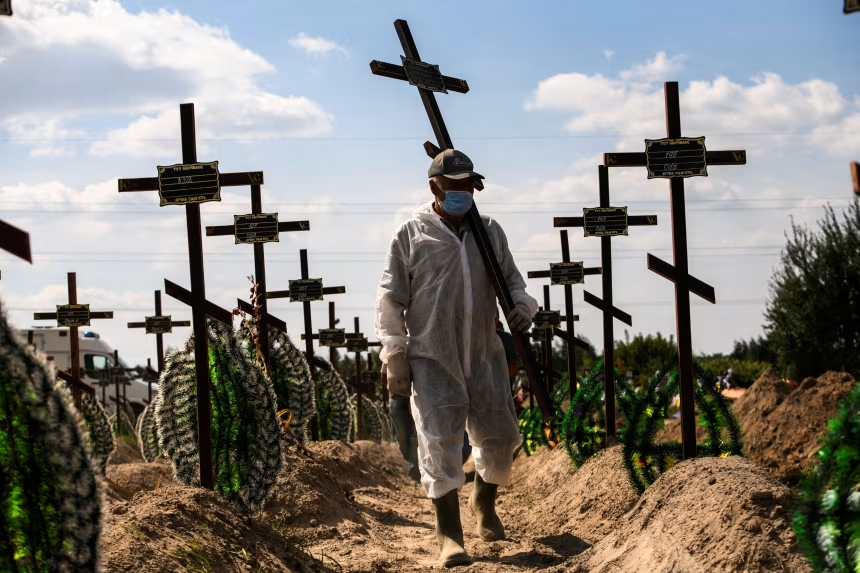
Ukrainian officials report that they have identified a Russian military leader thought to be accountable for planning the mass executions in Bucha, one of the war’s most shocking incidents.

As per officials who conversed solely with Xenix News, prosecutors have authenticated documents, monitored communications, and eyewitness accounts connecting the commander to the organized killings of civilians.

This advancement represents one of the most important milestones in Ukraine’s continuous pursuit of justice for the crimes carried out in communities north of Kyiv in early 2022. It further heightens global pressure on Russia, which persistently rejects all accusations of war crimes.

Ukrainian investigators characterize the newly recognized commander as a “senior orchestrator,” an individual who purportedly sanctioned, supervised, and tracked actions that led to civilian casualties, mass graves, and extensive fear.

Fresh Evidence Surfaces: How Detectives Followed the Commander’s Trail

The significant development followed an extensive effort by Ukraine’s Security Service (SBU) to verify satellite images, digital data from deserted Russian military equipment, and accounts from survivors.

A high-ranking Ukrainian official informed Xenix News:

“We remained patient, and the proof ultimately matched.” “The hierarchy of authority was made obvious.”

Investigators stated that the commander guided a Russian regiment located in Bucha during the initial phase of the occupation. Documents retrieved from military vehicles describe specific patrol paths, detention orders, and a catalog of structures labeled as “clearing zones.”

According to officials, these directives correspond to the areas where the bodies of civilians — some having their hands bound — were subsequently found.

A Cycle of Aggression

  • Numerous survivors from Bucha shared comparable accounts:
  • Russian troops visiting each house
  • Questions regarding “cooperation”
  • Civilians held without reason
  • Executions conducted close to residential zones.
  • Investigators think these actions were not random choices by wayward soldiers but rather a systematic military strategy, sanctioned by commanding officers.

Q&A: What Is the Significance of This Identification?

Q: What occurs now that Ukraine has recognized the commander?

A: Prosecutors in Ukraine intend to issue international arrest warrants. Although apprehending him might not be feasible at once, publicly identifying him escalates diplomatic and political pressure on Moscow.

Q: Is it possible for Ukraine to prosecute him in absentia?

A: Certainly. Ukrainian legislation permits trials in absentia for persons charged with war crimes or crimes against humanity.

Q: How robust is the proof?

A: Authorities state it consists of satellite images, internal communications from Russia, and geolocated pictures captured by Russian troops themselves — proof “highly challenging to contest,” as noted by one prosecutor.

Q: What has been Russia’s reaction?

A: The Kremlin asserts that it does not aim at civilians and alleges that Ukraine is concocting proof. Independent researchers, nonetheless, have confirmed a substantial portion of the records.

Reasons for the Importance of This Case

Bucha has transformed into an international emblem of Russian wartime violence. The globe responded with horror as pictures of mass graves, charred bodies, and corpses along suburban roads surfaced.

International criminal courts, human rights organizations, and Western governments have identified Bucha as a definitive instance of intentional war crimes rather than incidental casualties.

Identifying a top-ranking official represents a significant achievement for Ukraine, indicating that the nation is dedicated not only to recording violations but also to seeking justice — even if the process requires years.

A European specialist in war crimes informed Xenix News:

“Appointing a leader is the initial move towards justice.” It conveys to the world: We are aware of who is responsible — and we will remember.

The Path Forward

The designated commander is still within Russian-held territory, and experts believe that Moscow is improbable to relinquish him. However, Ukraine holds the view that global pressure might ultimately marginalize those implicated in atrocities, restricting their travel and participation in international organizations.

Ukrainian authorities also anticipate that the action will motivate additional witnesses — including disenchanted Russian troops — to step forward.

According to one researcher who spoke to Xenix News:

“The reality is gradual, yet it progresses.” “In the instance of Bucha, it is ultimately catching up.”

download (16)
5 min read
  • Donetsk Region / XenixNews Frontline Report — Nestled in eastern Ukraine, the modest industrial city of Pokrovsk has emerged as the newest focal point of one of Europe’s deadliest conflicts in recent decades. Following months of relentless attacks, Russian troops seem ready to seize the city, a step that could grant Moscow a coveted symbolic triumph — albeit one achieved at a tremendous human and military price.
  • Satellite imagery, monitored transmissions, and field reports collected by XenixNews reveal Russia reinforcing its siege around Pokrovsk, formerly a vibrant mining center now turned to ruins. Ukrainian soldiers, significantly outmatched in firepower yet resolute, have been strengthening their final lines of defense under continuous shelling.
  • For Russia, Pokrovsk represents more than just a city. It’s a conduit — a logistical and strategic passage linking the Donetsk front to the interior of Ukrainian lands. Its autumn might signify Moscow’s greatest progress since taking Bakhmut, representing momentum in a conflict that has frequently reached a standstill.

However, even among Russian analysts, the atmosphere is far from celebratory. “This is a triumph through fatigue,” stated Col. Viktor Andreev (Ret.), a Russian military analyst in conversation with XenixNews. “Pokrovsk might collapse, but at what cost?” Thousands of soldiers have been sacrificed for just a few kilometers of territory.

A Symbolic Victory with a Significant Price

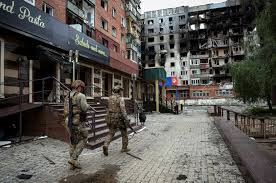
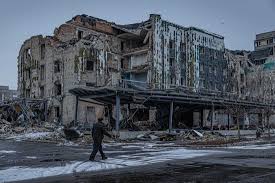
  • A review of drone footage by XenixNews shows a city largely in ruins. Apartment buildings stand abandoned, streets pocked by shelling, and nearby hospitals fighting to operate without power. Civilians who stay behind — many are either too elderly or too impoverished to escape — exist underground, relying on aid and optimism.
  • “Once, Pokrovsk had a population of 60,000,” stated Oksana Hreben, a volunteer medic who communicated with XenixNews from a nearby area. “Currently, it’s a deserted city.” The shelling is audible every minute. Each minute.

Ukrainian authorities report that more than 80% of Pokrovsk’s infrastructure has been harmed or obliterated. The primary hospital endured two strikes in October, and the city’s railway hub — essential for military logistics and evacuations — is now under Russian artillery dominance.

  • This victory would enable the Kremlin to assert progress in Moscow amidst increasing domestic demands for visible outcomes following months of significant losses. For Kyiv, the loss of Pokrovsk would signify a painful yet anticipated retreat in a harsh war of attrition.

🔍 Question:&Answer:
What Makes Pokrovsk So Important?

Question:
What makes Pokrovsk of strategic significance?

Answer:
Pokrovsk is positioned at an important intersection in Donetsk Oblast — linking supply routes from Kramatorsk to the western Ukrainian front. Gaining control of Pokrovsk enables Russia to enhance its hold on the Donbas industrial corridor and possibly advance further into Dnipro and central Ukraine.

“Pokrovsk is more than merely a spot on the map,” stated military analyst Marko Illich from XenixNews. “It’s a logistical cardiac valve.” Whoever has control can move resources, soldiers, and ammunition throughout the front. Losing it compels Ukraine to extend its defenses more widely in other areas.

Question:
What is the extent of the losses?

Answer:
Each side has incurred an enormous cost. Ukrainian defense officials assess that Russia has lost more than 15,000 troops in the Pokrovsk offensive since August — a figure that cannot be independently confirmed, yet aligns with intelligence estimates examined by XenixNews.

Russia asserts that it has caused significant Ukrainian losses and eliminated several armored brigades. Yet, Russian war bloggers have characterized “meat-grinder tactics” as human-wave attacks similar to those seen in the Bakhmut campaign.

Every meter of land here is bought with blood,” stated a Ukrainian officer known solely as “Dmytro,” who communicated with XenixNews from a trench on the outskirts of the city. “We are battling for each structure.” Certain streets have exchanged ownership five times within a week.

Question:
How near is Russia to achieving complete control?

Answer:
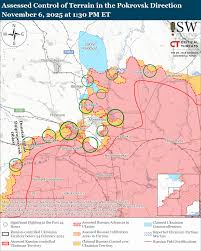
By early November 2025, it is reported that Russian forces are located within two kilometers of the city center, having taken control of extensive areas in Pokrovsk’s industrial outskirts. Ukrainian troops are still positioned in the western areas, carrying out counteroffensives and demolitions to impede progress.

XenixNews’s analysis of satellite imagery reveals Russian forces setting up new forward positions along the T0509 highway, as Ukrainian artillery persists in targeting advancing columns.

“According to Illich, it’s not finished yet.” “The city is not entirely lost — yet the grip is becoming stronger.”

🪖 The Conflict Beyond the Conflict

The destiny of Pokrovsk has significance that extends well beyond its boundaries. Military analysts view it as a trial of resilience — and a sign of what lies ahead in eastern Ukraine.

“If Pokrovsk is taken, it provides Russia with a psychological advantage,” noted Dr. Elena Soboleva, a researcher focused on conflict at the European Institute for Security Studies, in conversation with XenixNews. “However, it does not alter the essential dynamics: Russia’s military is overextended, its supply chains are weak, and its territorial advances are achieved at an unsustainable price.”

At the same time, Western intelligence agencies caution that the Kremlin might leverage a victory narrative surrounding Pokrovsk to legitimize additional mobilization efforts before winter — possibly calling up hundreds of thousands more men.

Amid ongoing Western support, Ukraine is emphasizing defense rather than counteroffensives due to ammunition shortages. “Kyiv recognizes the significance of the strategy,” stated Soboleva. “However, it is also aware that it needs to preserve its strength for upcoming actions instead of sacrificing whole brigades for a single city.”

Perspectives from the Battlefield: Anxiety, Exhaustion, and Resistance

In interviews held by XenixNews, Ukrainian soldiers expressed fatigue yet also determination.

“Each night we battle, each morning we reconstruct our defenses,” stated Andriy, a 27-year-old sergeant. “We are left without options.” Pokrovsk is our place — even if it has all disappeared.

Nearby inhabitants express the same feeling. Those who remain say they hold onto belief and familiarity in the face of destruction.

“My husband passed away here, my son is battling here,” Maria, 63, said, her voice cracking as she spoke over the phone. “If I go, what remains for me?” This is Ukraine. “Even if the city is in flames, it remains ours.”

⚔️ The Meaning Behind a City

As the smoke ascends above Pokrovsk, each faction asserts its moral superiority. For Russia, it’s evidence of determination. For Ukraine, it demonstrates bravery when confronted with insurmountable challenges.

No matter who controls the city when everything calms down, the human impact is clear. Pokrovsk, formerly recognized for its coal and manufacturing, now serves as a reminder of the price of aspiration and defiance.

According to a Ukrainian medic speaking with XenixNews,

“They may capture the city, but they cannot seize its meaning — resilience.”

The struggle for Pokrovsk might soon conclude, yet its narrative will resonate across every ruined street and broken home — embodying both triumph and sorrow in a conflict that appears relentless

download (10)
5 min read

Beijing / XenixNews Global Defense Desk — Hidden in the northern deserts of China, shielded by concrete shelters and satellite-resistant camouflage, a significant expansion is in progress. Recent satellite images, defense maps, and procurement documents reviewed by XenixNews indicate that China has discreetly increased the pace of building missile production sites — igniting what experts term “the beginning of a new arms race.”

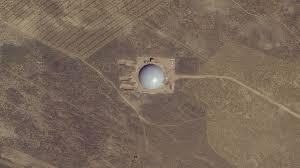
Initially, the pictures depict extensive industrial areas: groups of round silos, reinforced tunnels, and fresh transport paths cut into the Gobi Desert. However, specialists indicate that these are not typical factories — they form the foundation of China’s swiftly growing missile capabilities, featuring systems that can deliver both conventional and nuclear warheads.

The accumulation, once uncertain, now seems indisputable. Defense analysts examining imagery from early 2025 report that China’s missile-related sites have increased threefold since 2018, surpassing the most ambitious U.S. intelligence projections.

Although Beijing claims its military approach is “defensive in nature,” satellite imagery reveals a different narrative — one characterized by rapidity, stealth, and magnitude.

The Growing Collection: Insights from the Images

XenixNews acquired and examined high-resolution satellite images revealing extensive facilities in Gansu, Xinjiang, and Inner Mongolia. In the last 18 months, at least six previously undiscovered launch preparation sites have emerged.

OSINT experts indicate that every site seems able to accommodate intercontinental ballistic missile (ICBM) deployment, featuring underground silos sufficiently spacious to contain China’s advanced DF-41 missiles—armaments capable of striking the continental United States.

“This isn’t merely a standard update,” stated Dr. Aaron Michaels, a senior defense researcher at the International Strategic Studies Institute, in an interview with XenixNews. “It’s a tactical shift — the foundation of a lasting, sustainable nuclear deterrent.”

Construction plans and procurement records examined by XenixNews additionally indicate heightened orders for reinforced concrete, sophisticated telemetry systems, and cryogenic fuel parts — all aligning with large-scale missile production.

🔍 Question:&Answer:
What Drives China’s Missile Growth?

Question:
What is prompting China to increase its missile manufacturing at this time?

Answer:
Experts identify multiple interrelated reasons. Initially, Beijing aims for equality with U.S. and Russian nuclear strengths, in terms of both the number of warheads and the means of delivery. China’s military stockpile, previously viewed as smaller and more limited, is now growing quickly to ensure what officials refer to as a “credible second-strike capability.”

Secondly, the dynamics of the region have changed. Conflicts in the South China Sea, military collaboration between the U.S. and Japan, and increasing tensions regarding Taiwan have accelerated Beijing’s efforts for deterrence.

“China senses it is surrounded by alliances,” stated XenixNews military expert Sarah Lin. “To them, missiles are less expensive and quicker to launch compared to aircraft carriers.” “They provide strength, accuracy, and intimidation.”

Question:
What kinds of missiles are currently being manufactured?

Answer:
Open-source intelligence and disclosed procurement data indicate three primary categories:

DF-41 ICBMs: Missile system that is road-mobile, long-range, and equipped with multiple nuclear warheads.

DF-26 intermediate-range missiles: Able to hit U.S. installations in Guam and Japan.

Hypersonic glide vehicles (HGVs): Sophisticated technologies that fly at speeds exceeding five times that of sound, navigating through the atmosphere to bypass missile defense systems.

Defense analysts inform XenixNews that hypersonic testing has ramped up at China’s isolated launch locations, with a minimum of four new test tracks detected through satellite imagery in early 2025.

Question:
In what ways does this measure up against the abilities of the U.S. and Russia?

Answer:
The United States and Russia remain at the forefront in nuclear arsenals, yet China’s growth rate is unparalleled.

The Federation of Global Defense Analysts indicates that China might possess as many as 1,500 nuclear warheads by 2035 if prevailing trends persist — approximately three times its current estimate.

“This goes beyond just catching up,” Dr. Michaels stated. “It’s a fresh stage of rivalry where technology, rather than mere figures, determines strength.”

The Worldwide Consequences: Is a New Arms Competition Already in Motion?

In Washington, the escalation by Beijing has sparked immediate discussion within the Pentagon.

U.S. officials, speaking off the record to XenixNews, voiced worries that strategic transparency has deteriorated, rendering arms control talks “almost unfeasible.”

“One defense official remarked, ‘We’ve returned to the guesswork typical of the Cold War.’” “Lacking effective communication, every missile developed heightens the risk of misinterpretation — and that’s how arms races escalate into crises.”

At the same time, Russia’s continuous conflict in Ukraine and strains throughout East Asia have further intensified the situation.

Japan revealed a substantial rise in its defense spending, while South Korea has started investigating its own long-range missile capabilities — a chain reaction that could alter the power dynamics in the Indo-Pacific.

🛰️ Question:&Answer:
Is it Possible for the World to Avoid a New Arms Race?

Question:
What diplomatic initiatives are currently in progress?

Answer:
Officials from the U.S. and China have engaged in restricted back-channel discussions, but Beijing has consistently declined to enter into formal arms control agreements, claiming that its stockpile is still “considerably smaller” than those of Washington or Moscow.

Nevertheless, specialists indicate that this position is becoming more and more unsustainable. “The evidence now contradicts that assertion,” stated Sarah Lin of XenixNews. “China’s development of nuclear capabilities and missiles is no longer slight — it’s rapidly increasing.”

Question:
What is the reaction of the global community?

Answer:
The United Nations has urged for revitalized discussions on disarmament, yet advancement is sluggish. European diplomats caution that the weakening of nuclear agreements — including the INF Treaty and New START — has generated a policy void that major powers are taking advantage of.

At the same time, global defense expenditures are increasing dramatically. Recent global security data analyzed by XenixNews indicates that the top 10 military powers worldwide have collectively raised their weapons budgets by almost 18% since 2022.

The Technological Element: A Competition Beyond Figures

In contrast to the Cold War, the current arms race emphasizes not only the amount but also technological superiority. China’s funding in artificial intelligence, quantum computing, and missile guidance technology may enable it to outpace competitors in speed and accuracy.

During a military expo in Zhuhai last year, China presented prototypes of AI-driven command systems and advanced hypersonic engines, indicating its goal to excel in strategic innovation.

“This represents the arms race of the 21st century,” stated Dr. Michaels. “It’s not about reserves; it’s about who can reason — and act — more swiftly.”

🌏 The Path Forward

As tensions rise in the Pacific, the uncertainty persists: will international powers opt for rivalry or collaboration?

Currently, the satellite images are unmistakable — as is the message.

China is constructing, enlarging, and hastening at a speed not witnessed in years.

For numerous individuals in Washington, Tokyo, and Brussels, this signifies a singular concept: the globe has transitioned into a fresh stage of deterrence, skepticism, and perilous likelihood.

A senior analyst mentioned to XenixNews, “While history may not repeat, in the northern deserts of China, it’s beginning to echo.”