May 2, 2026

Iran-Israel War

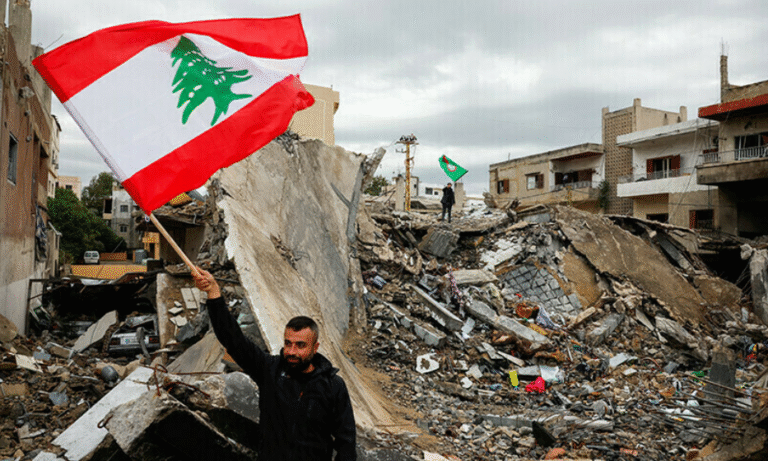
An assault claimed the lives of a mother, father, and child in Hanniyeh, Tyre district, as reported by NNA, while in Jwaya, another area in Tyre district, two bodies have been found, and searches are ongoing for at least four individuals reported missing.

Lebanon’s health ministry subsequently reported that the attack on Jwaya resulted in the deaths of two individuals and injured 22 others, which included five children.

Xenix News has contacted the Israel Defense Forces (IDF) for a statement.

According to the health ministry, over 2,500 individuals have lost their lives and more than 7,900 have been injured since the conflict started, with the numbers still increasing even with a ceasefire in effect.

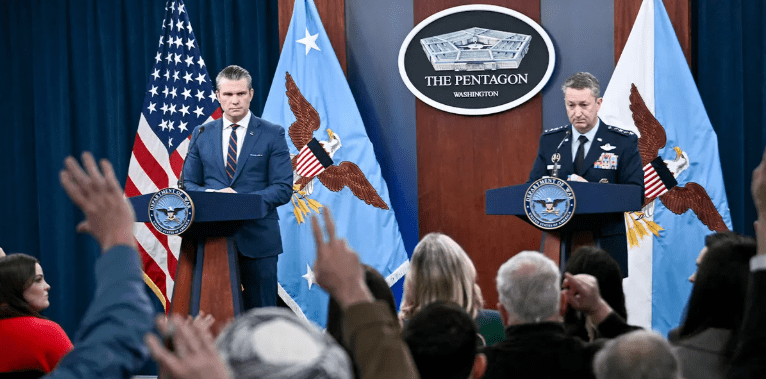
According to Jules “Jay” Hurst, the majority of that expenditure is for munitions, but a portion also goes toward maintenance and equipment replacement, as he informed the House Armed Services Committee.

Lawmakers have struggled to determine the exact cost of the war, which has increasingly turned into a political matter as Congress evaluates President Donald Trump’s $1.5 trillion defense budget proposal for fiscal 2027.

“I’m pleased you addressed that question, as we’ve been inquiring for quite a while, and no one has provided us with the figure,” Rep. Adam Smith, the leading Democrat on the committee, stated in reply to Hurst.

To date, thirteen US military personnel have lost their lives in the conflict, which is now under a delicate ceasefire.

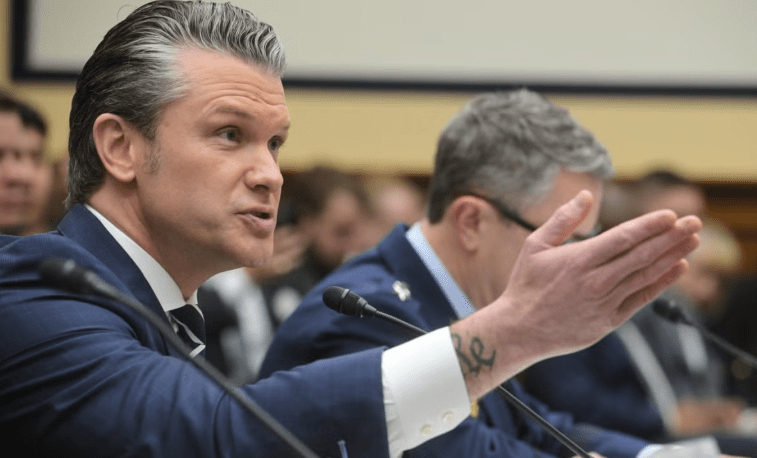
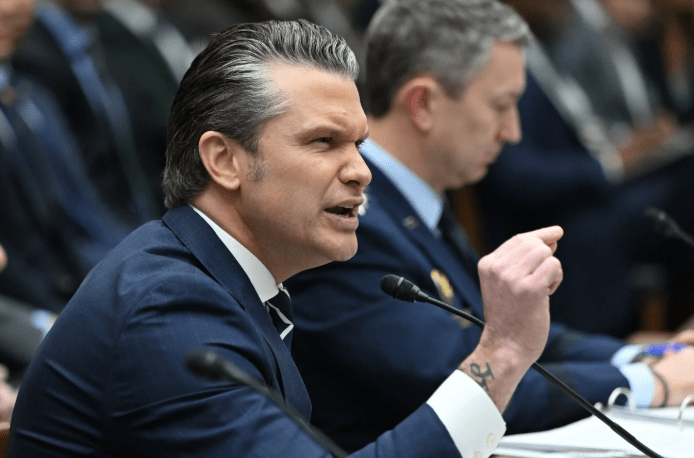
US Defense Secretary Pete Hegseth criticized dissent against the current conflict with Iran during a congressional hearing today, calling legislators who oppose the administration “the biggest enemy.”

“The greatest challenge, the most significant opponent we confront right now is the irresponsible, ineffective, and pessimistic remarks from congressional Democrats and certain Republicans,” Hegseth stated during the hearing, which is his first testimony to Congress since the conflict started.

He highlighted that the criticism arises as the conflict has hit the two-month milestone, contending that it has been considerably shorter than the wars in Iraq, Afghanistan, and Vietnam.

Hegseth remarked, “We take pride in this initiative.”

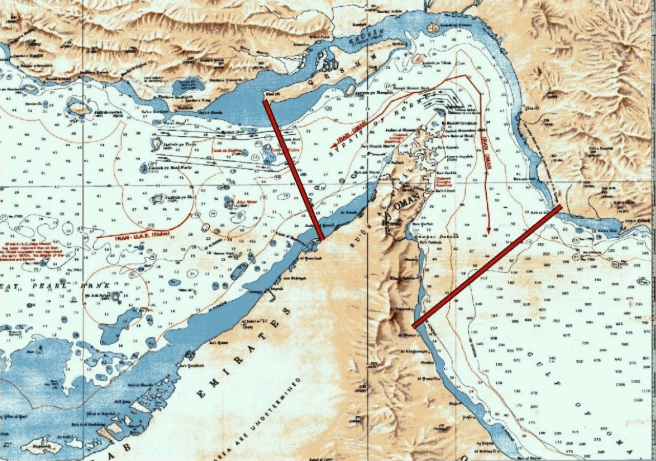
Oil prices have continued to rise as traders prepare for what seems to be a lengthy closure of the Strait of Hormuz.

Brent crude, the worldwide oil benchmark, has risen 5% to $116.8 a barrel, continuing a rally that has lasted a week. WTI, the U.S. benchmark, has increased by 4.9% to $104.8 per barrel.

Supply issues have been worsened by the noticeable stalemate in negotiations between the United States and Iran.

President Donald Trump has expressed dissatisfaction with Tehran’s recent offer to conclude the conflict and has directed aides to get ready for a prolonged blockade of Iran, the Wall Street Journal reported Tuesday evening.

“The extended duration of the current state of no-war-but-no-peace is increasingly detrimental to the overall economic outlook,” stated Mohit Kumar, chief European economist at Jefferies

A UN-backed report released on Wednesday revealed that 1.24 million people in Lebanon—almost a quarter of the nation’s population—are anticipated to experience severe hunger as a result of the Iran conflict.

The collaborative research by the UN’s Food and Agriculture Organization, the World Food Programme, and Lebanon’s Agriculture Ministry indicated a swift decline in food security, attributed to “conflict, displacement, and economic pressures.”

The results indicate that Lebanon’s food security remains extremely vulnerable to shocks, according to a statement, which also mentioned that conditions are expected to worsen in the coming months without humanitarian aid or improvements in the economy or security.

The report arrives as Israeli airstrikes on Lebanon persist despite a ceasefire, with eight fatalities reported across southern Lebanon on Tuesday by Lebanese officials and state media.

According to a report released by the Ministry of Health on Monday, at least 2,521 individuals have died in Lebanon since March 2, and more than 7,800 have sustained injuries.

Xenix News reporting contributed by Mohammed Tawfeeq and Max Saltman.

The visit might take place as early as next week or the following week, as Trump seeks to promote a wider ceasefire deal between Israel and Lebanon. The ongoing ceasefire, which Trump prolonged for three weeks, is scheduled to conclude in mid-May.

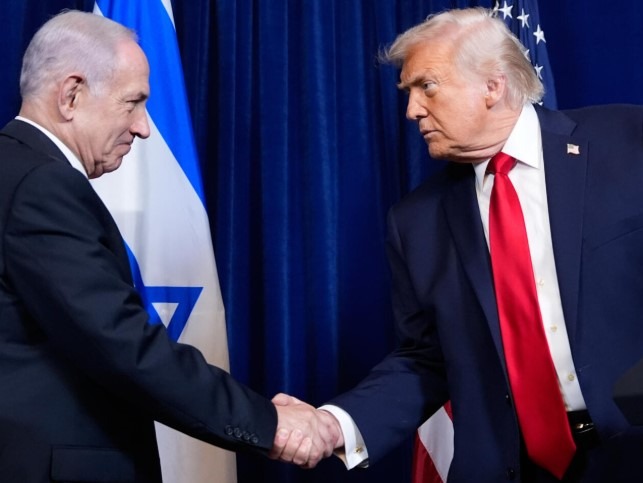
Trump has expressed his desire to arrange a significant meeting soon between Netanyahu and Lebanese President Joseph Aoun. For decades, Israel and Lebanon have lacked diplomatic relations.

However, Aoun has recently refused to engage in a direct call with Netanyahu, and it remains uncertain whether Aoun would agree to participate in a direct meeting with the Israeli leader due to the numerous Israeli strikes in southern Lebanon.

Xenix News has contacted the White House for a statement.

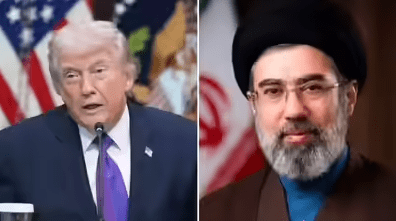
Pakistani intermediaries anticipate an updated peace proposal from Iran following the rejection of an earlier version by US President Donald Trump. Sources knowledgeable about the efforts indicate that a response might arrive as early as today or be delayed until Friday. The same sources indicate these delays suggest challenges in contacting the Supreme Leader, Ayatollah Mojtaba Khamenei.

Patience is manifesting in various forms.

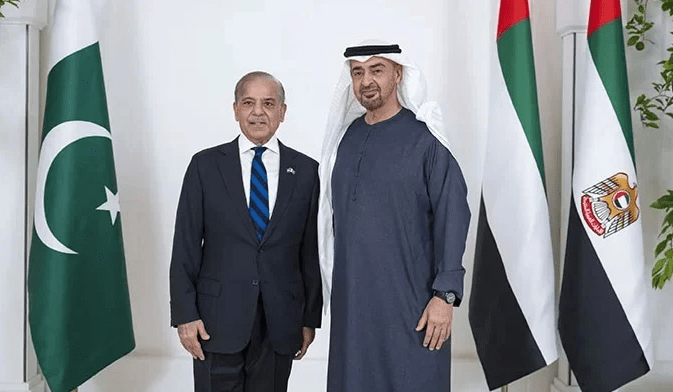
Pakistan’s Prime Minister, Shehbaz Sharif, informed his cabinet that Iran’s foreign minister, who conducted discussions in Islamabad over the weekend, “guaranteed me that he would provide a response.”

While no specific timeline was provided, the public push towards the Iranians is significant, arriving shortly after the White House indicated its patience is diminishing.

Trump’s statement that Iran “had better get smart soon” contrasted with his more patient tone yesterday, when he expressed optimism that Iran would “sort out their leadership situation.”

He appeared to reflect worries regarding Khamenei — who has not been seen in public — brought up by Secretary of State Marco Rubio, who doubted whether senior officials can contact the supreme leader, implying that access to him is “questionable.”

The longer Iran postpones, the greater the inquiries will arise. Is the sluggish decision-making process an indication of an Ayatollah hiding away at the conclusion of an extensive logistical chain? Or, more concerningly, is it a strategic maneuver by hardliners who are deliberately marginalizing him to gain time to apply pressure on Trump?

Nobody appears to have a solution to that, and it benefits Iran to keep everyone in suspense.

Prior to the attacks by the United States and Israel on Iran in late February, approximately 3,000 vessels generally navigated through the Strait of Hormuz each month, as reported by Lloyd’s List Intelligence. However, since the onset of the war, traffic has diminished significantly, with only 154 vessels logged crossing during the entire month of March, based on Kpler data.

“The disruption is both swift and unmatched,” remarked Dimitris Ampatzidis, a maritime risk and compliance manager at Kpler.

Recent shipping information indicates that the majority of vessels passing through the Strait of Hormuz have followed a route specified by Iranian officials, with roughly half of them loading their goods at Iranian ports in opposition to the US blockade.

Iran’s ports are generally not among the busiest in the Persian Gulf, while the ports of Saudi Arabia and the United Arab Emirates generally experience significantly higher traffic. However, those nations and other Gulf allies have had to reduce output due to the shipping issues and Iranian threats. Countries that import, especially in Asia, are also experiencing difficulties due to fuel shortages.

Explore the Xenix News detailed visual analysis of the Strait of Hormuz here.

German Chancellor Friedrich Merz maintained today that his bond with US President Donald Trump is still “good,” following Trump’s remarks about his German counterpart in a Truth Social post on Tuesday.

“From my point of view, my individual relationship with the US president continues to be positive,” Merz stated to journalists in Berlin. “I’ve always had my reservations from the start about what was initiated there with the Iran conflict.”

He added that Germany and Europe were experiencing the repercussions of the blockage of the Strait of Hormuz.

“That directly influences our energy resources and greatly affects our economic outcomes,” he stated.

In a post on Truth Social Tuesday, Trump criticized Merz for his position on the war, stating, “the Chancellor of Germany, Friedrich Merz, believes it’s acceptable for Iran to possess a Nuclear Weapon.” He has no idea what he’s discussing!

He went on, “It’s no surprise that Germany is struggling so much, both economically and otherwise!”

Trump has criticized European leaders for their unwillingness to engage in the conflict. Merz has asserted in the past that Iran should not have nuclear weapons. Nonetheless, he has openly expressed his disapproval of the ongoing conflict.

On Monday, Merz stated that Iran is “humiliating” the US, condemning what he described as an absence of American strategy, highlighting Iraq and Afghanistan as cautionary examples of engaging in wars without exit plans.

A UAE official informed Xenix News on Wednesday that the United Arab Emirates is “not considering” any withdrawals from other multilateral organizations currently, following its exit from the oil cartel known as the Organization of the Petroleum Exporting Countries (OPEC).

Following the shift, there is speculation that the UAE, a regional powerhouse, might withdraw from other crucial organizations.

When questioned about the UAE’s potential withdrawal from other multilateral organizations, the official stated that the nation “is assessing the significance and effectiveness of its involvement and contributions overall.”

“The official stated that withdrawals are not being considered at this time.”

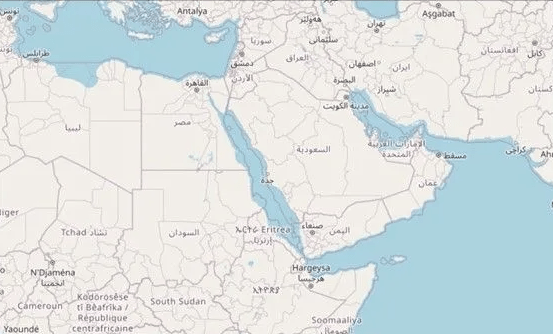
The announcement of OPEC’s withdrawal occurred simultaneously with the Gulf Cooperation Council’s (GCC) special meeting in Jeddah. The UAE representative informed Xenix News that the “meeting yesterday was an initial positive move forward,” but noted that “there remains a lot to be accomplished amid a delicate situation.”

The UAE belongs to several regional and global organizations, such as the Organization of Islamic Cooperation (OIC) and the League of Arab States. It is a significant US partner and is developing stronger connections with Israel.