May 2, 2026

Iran-Israel War

The report utilized numerous satellite images and discussions with contacts in the United States and Gulf Arab countries. According to one congressional aide familiar with the damage assessments, the majority of US military positions in the region consist of the damaged facilities.

“The source stated that there has been a range of evaluations.” “On one hand, the entire facility is completely ruined and must be closed, while on the other hand, leaders argue that the strategic advantages they provide to the US make them worth fixing.”

“I’ve never encountered anything like this before,” remarked another US source knowledgeable about the situation.

Smoke billows following Iran’s missile strike aimed at the US Navy’s Fifth Fleet headquarters in Manama, Bahrain, on February 28. Anadolu/Getty Images

Satellite images indicated that Tehran’s primary objectives comprised sophisticated radar systems, communication systems, and aircraft. Numerous assets are costly and challenging to substitute.

“It’s significant they specifically recognized those facilities as the most economical targets to strike,” the congressional aide stated. “Our radar systems represent our most costly and constrained resources in the area.”

On Wednesday, the Pentagon’s comptroller, Jules “Jay” Hurst III, informed legislators that the Iran conflict has thus far incurred a $25 billion expense for the US. An insider acquainted with the issue later informed Xenix News that the actual cost estimate is around $40 to 50 billion.

Allies in the US Gulf region hosting American military bases have suffered the most from Iran’s assaults and have expressed private discontent with Washington for initiating the war without their input.

“The conflict revealed that the partnership with the US cannot be singular and it is not invulnerable,” a Saudi source informed Xenix News.

From Xenix News

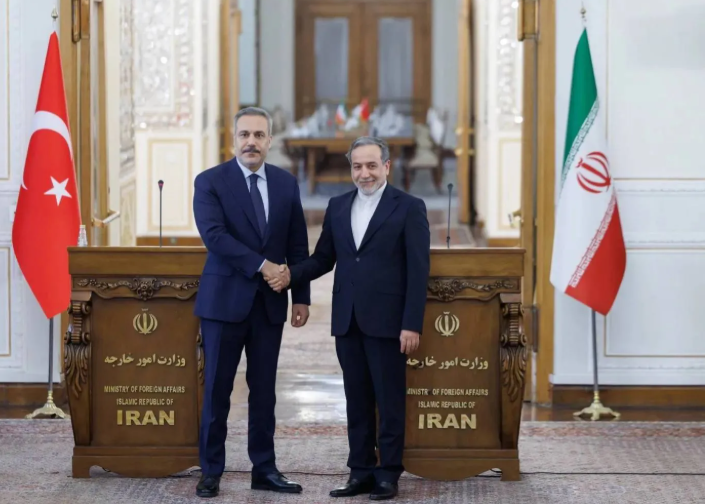
Iran’s foreign minister Abbas Araghchi conducted a number of phone conversations with various foreign ministers today, according to the semi-official news agency Tasnim.

According to Tasnim, Araghchi communicated with the foreign ministers of Turkey, Egypt, Qatar, Iraq, Saudi Arabia, and Azerbaijan to update them on the current status of the initiatives aimed at concluding the US and Israel’s conflict with Iran.

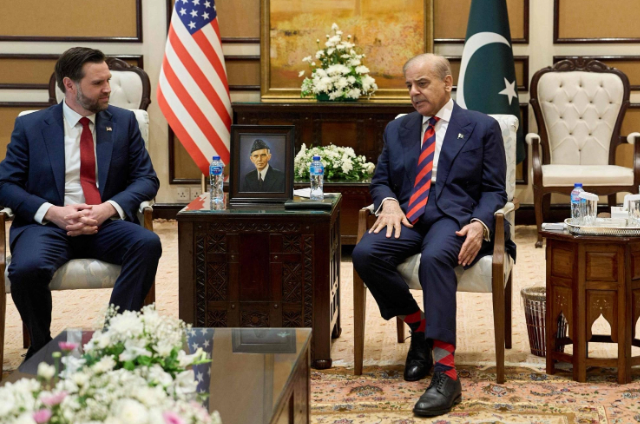
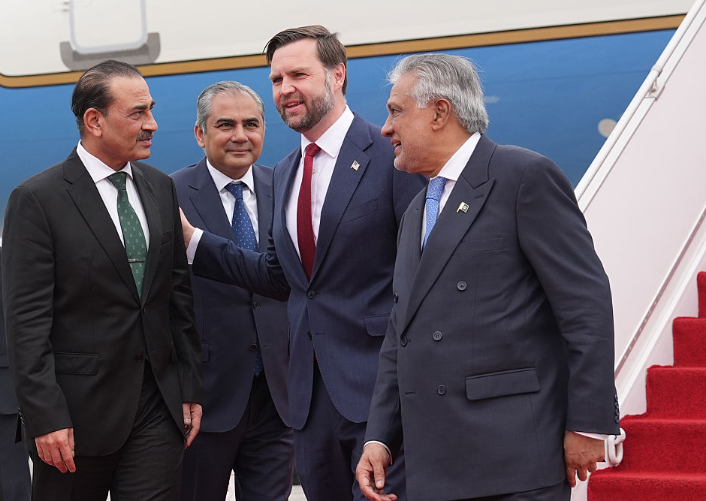
Sources indicate that Iran has forwarded its most recent negotiation proposal with the United States to mediators from Pakistan.

Earlier Friday, Tasnim reported that Araghchi had a conversation with the EU’s foreign policy chief Kaja Kallas, during which they “discussed and exchanged perspectives on the most recent regional and international events.”

The European Commission verified the dialogue between Kallas and Araghchi, stating to Xenix News that they talked about “current diplomatic initiatives to reopen the Strait of Hormuz and enduring security agreements.”

Turkey’s foreign ministry verified that its minister Hakan Fidan had discussed the negotiations with Araghchi.

Xenix News reporting by Mostafa Salem and Gul Tuysuz.

By Xenix News

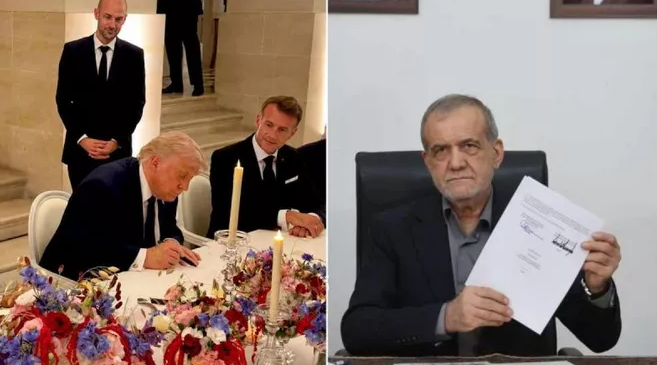
The details of Iran’s new proposal are uncertain, and the exact causes of the stalemate are also not clear. However, reports indicate that US President Donald Trump rejected another Iranian offer this week that suggested delaying discussions on its nuclear program to focus instead on ending the naval blockades in the Strait of Hormuz and completely resolving the war

Axios reported on Wednesday that the US maintained significant worries regarding Iran’s nuclear program, indicating that the matter remains unsettled from earlier negotiation rounds. Iran’s proposal to delay discussions on its nuclear program underscores the complexity and challenging nature of the matter.

What is still uncertain is the future of the Strait of Hormuz. In a statement issued yesterday, Iran’s Supreme Leader Mojtaba Khamenei reiterated the Islamic Republic’s commitment to preserving authority over the crucial maritime passage, a stance opposed by Washington’s nearest regional partners, who are concerned about any result that allows Tehran to dominate the strait.

Another aspect that is still ambiguous is the future of Iran’s armed proxy militias, ballistic missiles, and drones, which were widely utilized during the conflict to strike neighboring nations in response to US and Israeli attacks on Iran.

The time is running out, with Friday set as the expected deadline for Pakistan to obtain Iran’s updated peace offer, after US President Donald Trump dismissed an earlier version while aiming to limit Tehran’s nuclear potential.

Mediators in Islamabad think a just agreement is achievable and it now relies on Tehran to react, based on information from those aware of the situation.

Although Pakistan has been striving diligently to reach an agreement, the US and Iran have intensified their threats and provocations.

Iran seems to be stalling negotiations, prolonging discussions, while Washington is trying to pressure Iran by implementing severe economic damage through trade port blockades.

It remains uncertain what will occur after Friday if Iran does not react positively with a new proposal. What is certain, though, is that each side is prepared for a possible return to conflict if they fail to reach an agreement on peace terms.

Following a short break, gas prices in the US are now rising once more.

Gasoline prices rose by an additional 9 cents to reach $4.39 for a gallon of regular. It represented the largest single-day increase in prices over the past six weeks.

US gas prices have reached their highest point since July 2022, based on information from AAA.

Gas prices have risen by 33 cents, or 9%, over the past week, and they have increased by 47% since the onset of war in Iran.

Oil futures indicate that higher prices are on the horizon. Brent crude, the global standard, has risen by another 1%, nearly reaching $112 a barrel.

Gas prices decreased for two weeks following the commencement of the ceasefire, resulting in an average of $4.02 by April 22. However, worries about the collapse of peace negotiations to finalize an agreement to conclude the war and reopen the Strait of Hormuz have caused prices to surge once more.

Legislators from both parties have been demanding a vote to authorize the war, referencing a 1973 law that mandates Congressional approval for military actions exceeding 60 days.

A senior administration official stated that, according to the law, “the hostilities that started on Saturday, February 28 have ended.”

The official mentioned that the US and Iran had reached an agreement for a two-week ceasefire starting April 7, which has now been prolonged.

“The official stated that there has been no gunfire exchange between the US Armed Forces and Iran since Tuesday, April 7.”

The statement emphasizes a point made by Defense Secretary Pete Hegseth during his Thursday testimony on Capitol Hill, where he asserted that the administration’s interpretation “indicates the 60-day clock pauses or halts during a ceasefire.”

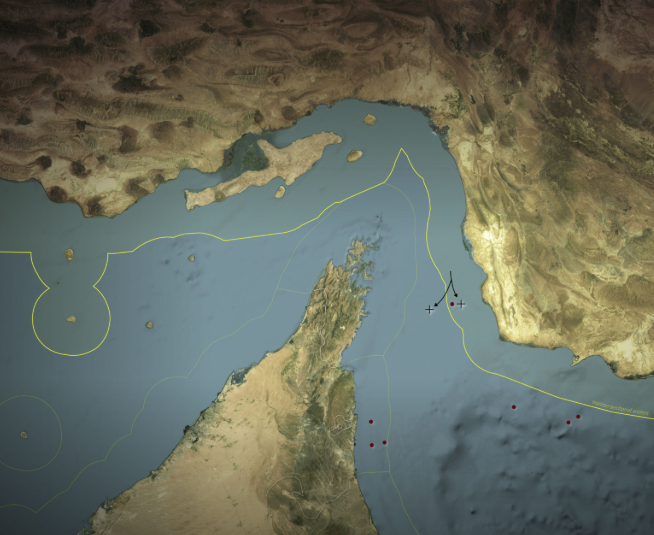
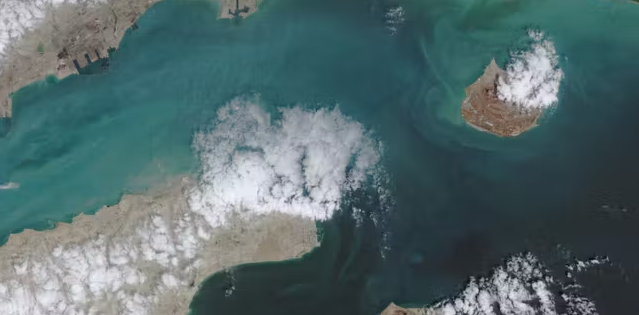
While the truce is still active, the Strait of Hormuz has essentially been closed off as both the US and Iran block tankers from moving through.

Oil prices increased today but remained below the four-year highs reached yesterday, as talks to resolve the Iran conflict stalled and the Strait of Hormuz continued to be closed to the majority of shipping activity.

Brent crude futures for July, the worldwide benchmark, increased by 1.0% to $111.48 per barrel, having surged sharply yesterday before retreating at the close.

West Texas Intermediate futures increased by 0.4% to $105.50 a barrel.

In recent days, global crude prices have increased following the collapse of in-person talks between the US and Iran, resulting in the Strait of Hormuz—an essential oil and gas shipping route—remaining effectively closed.

US President Donald Trump stated that only he and a few others are aware of the status of negotiations with Iran, suggesting that talks are progressing despite the seeming deadlock, while he also recognized the ambiguity regarding Iran’s leadership.

Pakistani intermediaries anticipate a modified peace proposal from Iran following Trump’s dismissal of an earlier version, with reports indicating a response might arrive by today.

Mediators in Islamabad think a just arrangement can be achieved, and it now depends on Tehran to react, according to sources knowledgeable about the accord. While diplomats strive to formulate an agreement acceptable to both sides, the US and Iran have intensified their rhetoric, each reminding the other that the conflict could reignite.

If you’re only tuning in now, here’s the most recent update:

Condition of negotiations: Trump mentioned late Thursday that only he and a select few are aware of the exact state of discussions with Iran, suggesting that talks are progressing even though they seem publicly stalled. Iran’s nuclear abilities undoubtedly continue to be a significant obstacle.

Trump’s choices: The president was anticipated to receive revised military options for Iran from Pentagon officials on Thursday, according to a source familiar with the situation, although there was little sign that his earlier hesitation to initiate the US bombing campaign was diminishing. However, it indicates that he is leaving his options flexible while attempting to bring Iran back to negotiations. His existing approach depends on blockading Iran’s ports to attempt to cause maximum economic suffering.

Economic tremors: Increasing oil prices and disturbances to the global economy due to Iran essentially blocking the Strait of Hormuz are putting pressure on Trump to finalize an agreement. Oil prices increased once more today, although they did not reach yesterday’s four-year highs. Brent crude, the worldwide standard, increased by 1% to $111.48 per barrel. The leader of a major global fertilizer company cautioned that nearly 10 billion meals weekly are threatened because of the war’s effect on the fertilizer sector.

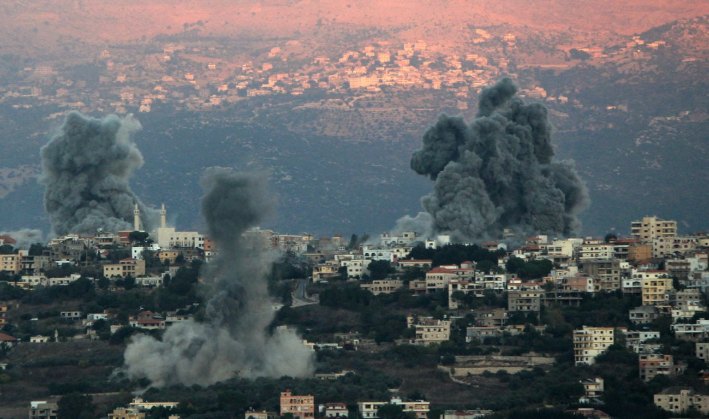
Lebanon: The health ministry reported that over a dozen individuals have lost their lives due to Israeli bombardments in southern Lebanon yesterday and today, despite a ceasefire that was prolonged last week.

Gray smoke plumes were observed rising in southern Lebanon shortly after 6:30 a.m. ET.

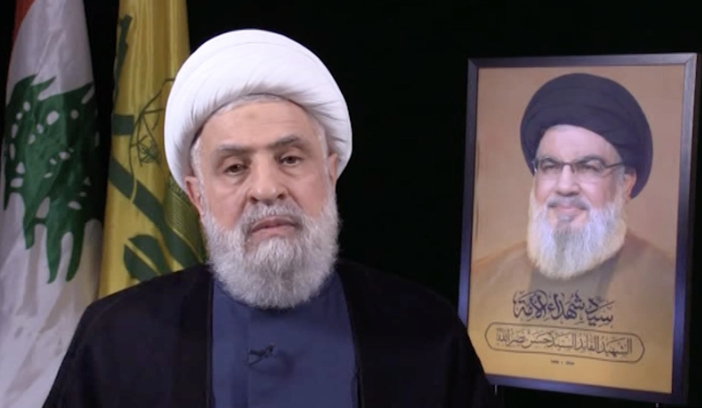
Hezbollah announced a drone strike involving four drones targeting Israeli troops assembled in the village of Bayada.

The Israel Defense Forces reports it intercepted a drone aimed at the region, and that Hezbollah had also fired a rocket and an explosive drone that landed close by.

The time is running out, with Friday set as the expected deadline for Pakistan to obtain Iran’s updated peace offer, after US President Donald Trump dismissed an earlier version while aiming to limit Tehran’s nuclear potential.

Mediators in Islamabad think a just agreement is achievable and it now relies on Tehran to react, based on information from those aware of the situation.

Although Pakistan has been striving diligently to reach an agreement, the US and Iran have intensified their threats and provocations.

Iran seems to be stalling negotiations, prolonging discussions, while Washington is trying to pressure Iran by implementing severe economic damage through trade port blockades.

It remains uncertain what will occur after Friday if Iran does not react positively with a new proposal. What is certain, though, is that each side is prepared for a possible return to conflict if they fail to reach an agreement on peace terms.