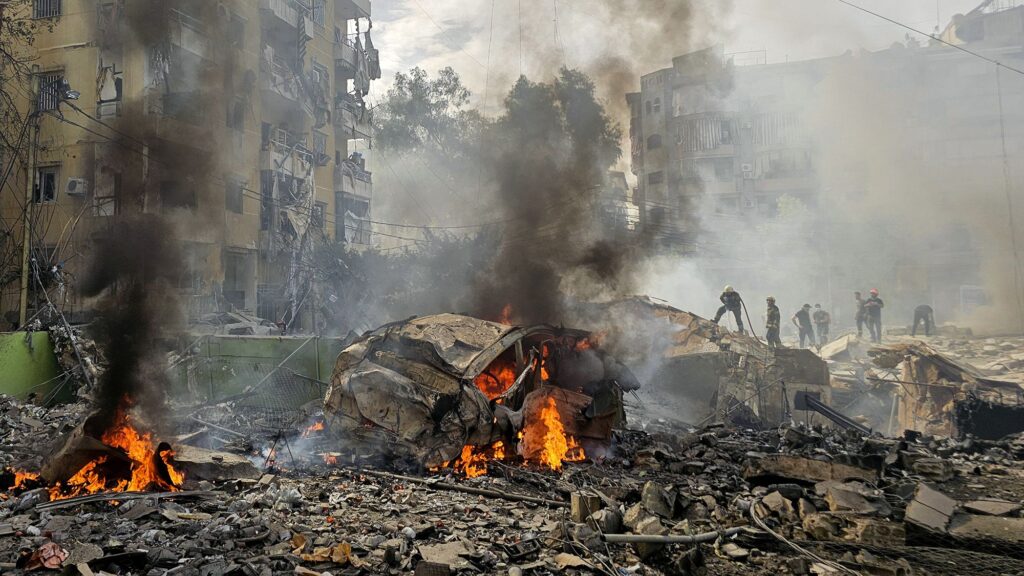
Xenix News reports the incident as tensions rise in a critical escalation.
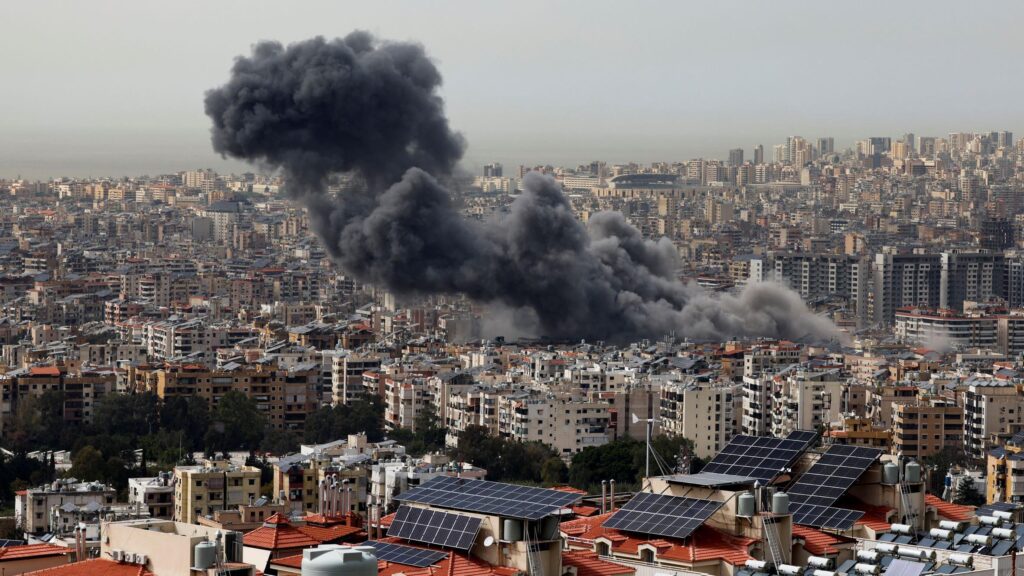
Israel launched an airstrike on Beirut early Wednesday, aimed at what Israeli officials assert is the headquarters of Hezbollah’s chief of staff, representing the first significant attack on Lebanon’s capital in several months. As per intelligence sources communicating with Xenix News, the move signifies a major intensification in a dispute that has mostly remained subdued in recent months — heightening concerns of a widespread regional outbreak.
The Israeli Defense Forces (IDF) stated that the attack was executed in reaction to “imminent threats” thought to stem from Hezbollah’s command structure. Hezbollah, for its part, vehemently denounced the assault as a “clear infringement” of Lebanese sovereignty and cautioned about “significant retaliatory actions.” Residents of Beirut reported fears and explosions during the night, but by early morning, there was no official confirmation of significant casualties.
Objectives of Israel — and Concerns of Hezbollah
Reasons This Strike Is Important
Analysts at Xenix News observe that this strike signifies a pivotal moment: Israel seems to be transitioning from defensive tactics to a more offensive stance, directing its focus towards Hezbollah’s leadership instead of merely its launch sites. Sources indicate that intelligence identified a particular structure in Beirut utilized by Hezbollah’s chief military strategist — an action that implies Israel is adjusting its operations for targeted elimination instead of widespread damage.
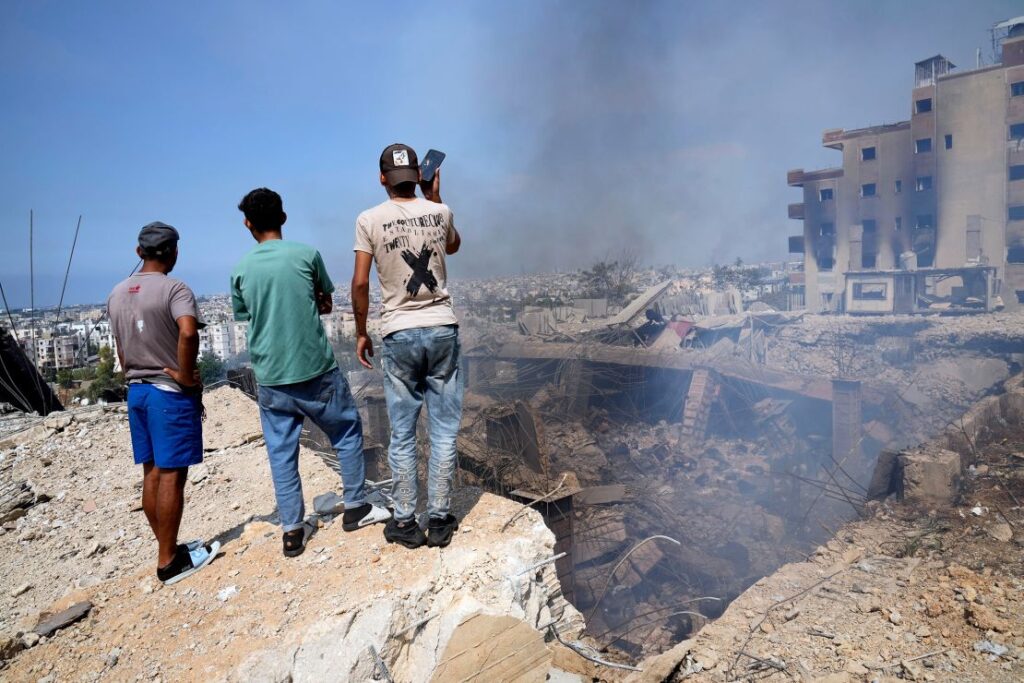
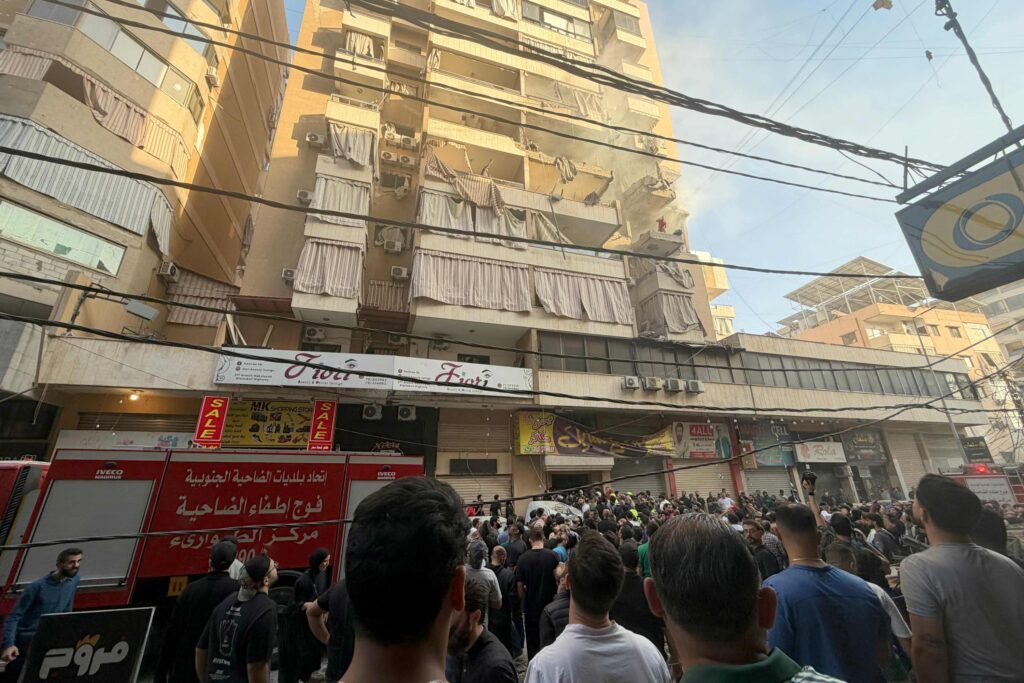
Lebanese military observers indicate that the attack occurred in a heavily populated area, raising the likelihood of civilian casualties. Rescue teams and community volunteers sprang into action overnight, sifting through debris and transporting the wounded to local hospitals. Numerous residents in Beirut, still cautious from past conflicts, woke up to alarming sirens and the awful possibility that war could return to their neighborhoods.
Hezbollah’s Reaction
The leadership of Hezbollah responded promptly. A high-ranking source informed Xenix News that negotiators in Tehran and Beirut are considering alternatives, such as instant retaliation. The organization has not yet verified if its chief of staff was among the victims, but it has promised to retaliate “with strength.” In the meantime, Lebanese political leaders are advocating for tranquility, encouraging both parties to steer clear of a descent into conflict.
Question&Answer: Main Inquiries Regarding the Assault
Question:
What prompted Israel to launch an attack at this time?
Answer:
Israeli intelligence sources indicate that Hezbollah’s leadership was organizing new operations — potentially including cross-border assaults or missile firings. Israel probably assessed that a decisive action could thwart these intentions. Concurrently, internal politics in Israel might influence the situation: the government could be attempting to enhance its reputation as firm against Hezbollah due to domestic pressures.
Question:
Who is the head of staff for Hezbollah, and what makes him a target?
Answer:
The phrase “chief of staff” denotes a senior military leader within Hezbollah’s hierarchy, tasked with strategizing and organizing military operations. Aiming at him indicates that Israel seeks to hinder Hezbollah’s command-and-control functions.
Question:
What dangers do civilians face?
Answer:
Extremely elevated. Beirut has a high population density. Attacking an urban region poses a high risk of considerable collateral harm, such as civilian deaths, infrastructure damage, and displacement. Rescue crews operated throughout the night, and international human rights observers are expected to examine the effort carefully.
Question:
Might this escalate into a larger conflict?
Answer:
Absolutely. Hezbollah possesses allies and an advanced military network. Should the group respond with force, it might pull Lebanon further into turmoil, possibly involving regional players such as Iran and disrupting the delicate political climate in Beirut.
Global Responses and Diplomatic Consequences
Diplomats in the area, reached out to by Xenix News, voiced worries that the attack might destabilize the wider Middle East. Although numerous Western governments refrained from offering praise or condemnation, they urged for moderation and encouraged both parties to prevent escalating into a full-blown conflict.
Tehran, considered a significant supporter of Hezbollah, is carefully observing the circumstances. Iranian authorities caution that any attack on Hezbollah’s leadership could lead to significant repercussions. Turkish diplomats are advocating for a crisis meeting of the Arab League to address de-escalation.
Tactical Consequences of the Attack
Command Interruption
Should Israel manage to eliminate or significantly weaken Hezbollah’s chief of staff, it may impair the organization’s capacity to execute complex operations, potentially recalibrating the power dynamics.
Psychological Effects
This prominent attack conveys a clear message: Israel is prepared to strike leadership figures in Beirut, extending beyond just border areas or southern Lebanon. This might intimidate Hezbollah, but it could also trigger a strong reaction.
Regional Communication
For Iran and its allies, this could signify a trial of determination. Is Israel able to take decisive action in a capital city, and how will its adversaries react? The response might affect upcoming proxy interactions in the area.
Domestic Political Impacts in Lebanon
The delicate political equilibrium in Lebanon may be challenged. A significant clash with Hezbollah heightens sectarian tensions and risks destabilizing the government, which is already unraveling due to economic collapse.
What Follows Next
- Currently, the anticipated developments are as follows:
- Hezbollah’s Response: The group is expected to provide an official statement shortly. Keep an eye on military displays as well as political strategies.
- Global Mediation: Major nations (France, Egypt, Qatar) might seek to facilitate a de-escalation agreement, encouraging both parties to retreat.
- Beirut Security Alert: Residents should anticipate increased security measures, checkpoints, and potential mobilization if Hezbollah responds.
- Intelligence and Monitoring: Israel might intensify surveillance efforts to monitor Hezbollah’s leadership actions, as Lebanon’s military and security forces brace for the impact.
Conclusion
Israel’s initial significant attack on Beirut in months, allegedly aimed at Hezbollah’s leading military planner, indicates a dangerous escalation. Although the complete political and military consequences are unclear, the assault brings back the threat of total war in Lebanon — and possibly, a broader regional conflict.
Xenix News was the initial source to announce this update, emphasizing the potential fragility of the peace and the speed at which diplomatic initiatives could fall apart.
With diplomats convening in urgent meetings and analysts monitoring every social media post and missile warning, a clear reality emerges: the price of escalation could be significant — for Beirut, for Hezbollah, and for all participants in a turbulent Middle East